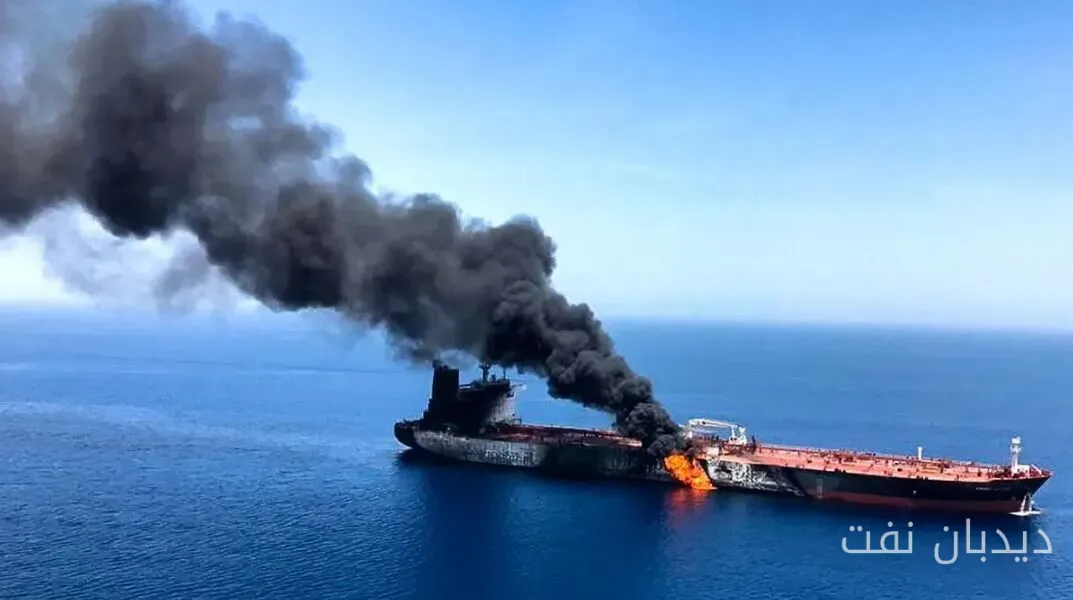
The UK Maritime Trade Organization (UKMTO) announced that an oil tanker was damaged in the Strait of Hormuz due to a projectile strike. This organization, affiliated with the British Navy, did not specify the exact time of the incident, but this event fuels rising tensions in this sensitive region.
Details of the incident and its implications
Yesterday, three other oil tankers intending to pass through the Omani route were targeted. These developments come as Iran has repeatedly emphasized that the safe passage of the financial section of the Strait of Hormuz must be respected, and any violations will face serious consequences.
Read more: Attacks by Ansarullah on Aramco refinery facilities in Riyadh
The captain of the damaged oil tanker reported that the projectile struck the engine room of the vessel, resulting in significant damage to that section. Fortunately, all crew members of the tanker are in good health, and no environmental damage has been reported from this incident. This may indicate the ability of oil tankers to withstand such threats, but it also points to the need for greater safety measures in this region.
Analysis of the security situation in the Strait of Hormuz
The Strait of Hormuz, as one of the most important oil transit passages in the world, is always under military oversight and actions. Considering that about 20% of the world's oil passes through this route, any tensions in this area can have significant impacts on the global oil market. Especially in conditions where oil prices are influenced by various factors, such incidents can lead to increased price volatility.
Iran has repeatedly justified its actions as a defense of its rights against what it calls international violations. On the other hand, the international community remains concerned about military activities in this sensitive region, and these concerns may lead to more serious reactions from other countries.
Read more: G7 agrees to release 100 million barrels of crude oil and diesel · Iran oil sanctions with a shift in Trump's policy



