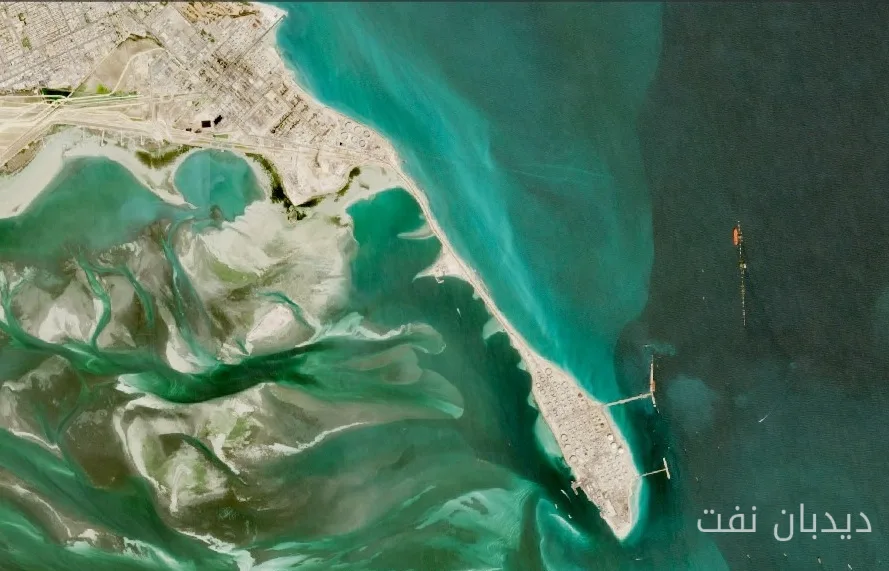
The Houthi missile attack on the Ras Tanura refinery in Saudi Arabia targeted key facilities at the site and resulted in damage to a processing unit. Commercial satellite images indicate that this attack has harmed a "cracking" unit at the facility. Open-source intelligence analysts report that the refinery has either halted or reduced its operations, which means a decrease in the production of vital fuels including diesel, jet fuel, gasoline, and bunker fuel in the global market.
Extent of Damage and Impact on Global Market
The Ras Tanura refinery typically has a processing capacity of up to 550,000 barrels of oil per day and is considered one of the largest refineries in Saudi Arabia. The shutdown of this refinery at a time when the global market is facing fuel shortages could have significant impacts on the supply of various fuels. This timing is unfavorable for refineries as many are trying to increase production and profit under limited supply conditions, with some even extending their service periods to continue operations.
Read more: U.S. Forces Target Ocean Molica Tanker for Sanctions Violations
Continued Crude Oil Exports
Despite the attacks on the refinery, unrefined crude oil exports from Saudi Arabia continue, and Aramco is maximizing shipments from loading terminals in the Persian Gulf and the Red Sea. Satellite images show that in Ras Tanura and Juaymah, nine Very Large Crude Carriers (VLCCs) are simultaneously loading, which can provide a loading capacity of 18 million barrels at one time. According to calculations, Aramco has fully returned to its pre-war crude oil export volumes and has nearly normalized its product exports as well.
Intelligence Cooperation with Russia
Reports indicate strong evidence that Russian imaging satellites are being used to support Houthi attacks on Saudi energy facilities. The Swiss geospatial consultancy "Aurorah Geosignal Intelligence" has announced to the media that there is a 100 percent correlation between the movements of Russian government satellites over a site in Saudi Arabia and Houthi missile attacks. This includes recent attacks that have continued up to October 19.
Houthi and Saudi officials have confirmed that the Houthis have access to Russian satellite intelligence products. Iranian military advisors in Yemen provide both raw imaging materials and the necessary analyses for interpretation. Additionally, the Houthis also have access to Chinese satellite imaging products.
Read more: Attacks on Tankers in the Strait of Hormuz Reach Highest Level Since Start of Iran War · Saudi Arabia Seeks Access to Foreign Oil Reserves for Aramco