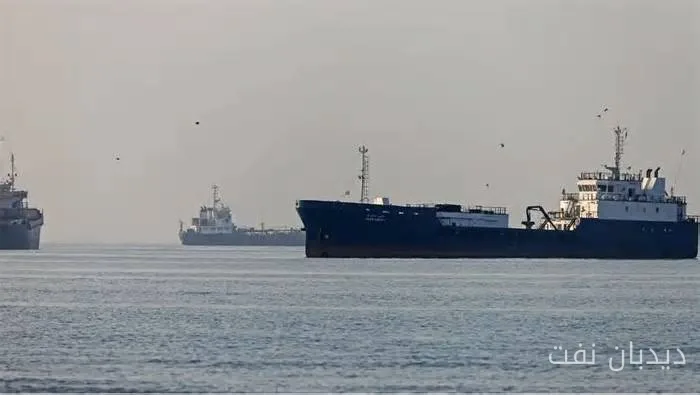
Hormuz; Iran's strategic chokepoint in global economic impacts. This passage is under significant global pressure as a key point in energy flow. According to recent reports, disruptions in energy flow and rising costs, alongside political and economic crises, have had deeper impacts on global economic networks.
Dimensions of the Hormuz Crisis
Reports indicate that the meeting of the International Monetary Fund and the World Bank in Bangkok has clearly highlighted the dimensions of this crisis. Disruptions in energy flow, rising fuel and chemical fertilizer costs, and inflationary pressures have exposed the global economy to a series of simultaneous shocks. The President of the World Bank has also warned that economic pressures, despite the initial resilience of markets, are increasing.
Read more: South Pars responds to the gas imbalance crisis with pressure-increasing plans
This crisis goes beyond the increase or decrease in the price of each barrel of oil. The main issue is the impact of the Hormuz chokepoint on global economic and political relations. In fact, disruptions at this point can transfer the costs of the crisis thousands of kilometers away.
Geoeconomic Consequences
The geoeconomic significance of Hormuz is not limited to crude oil. Rising transportation and marine insurance costs, difficulties in securing petroleum products, and increasing prices of gas and raw materials can transmit the effects of this crisis to various sectors, including agriculture and industries. This transfer means that even if part of the exports is conducted through alternative routes, the market will still face higher costs and greater uncertainty.
A relative return of oil flow does not necessarily mean a rapid decrease in prices and a return of economic costs to pre-crisis levels. The main message of this development is that the power to influence a strategic chokepoint can extend beyond the energy market and become a variable in inflation equations and international politics.
In today's interconnected world, power is not solely in the hands of countries with more resources or military capabilities. There are also countries whose strategic positions can alter the economic and political costs of others' decisions.
Read more: The Transport Workers Federation calls for an investigation into fatigue in the Panama Canal · Over 5 million tons of petroleum products exported from Shahid Rajaee Port, Iran