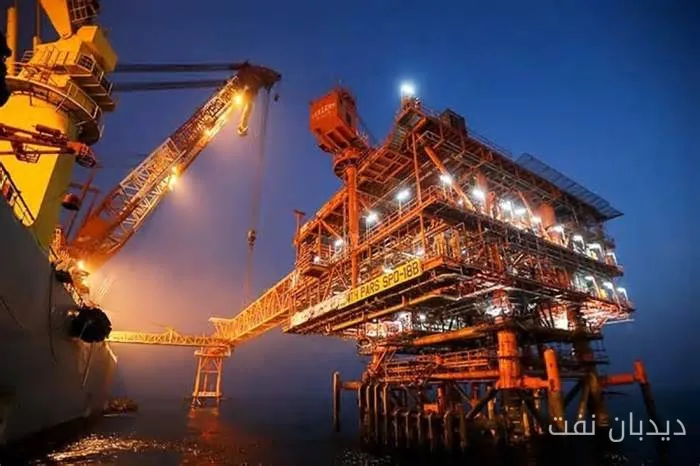
South Pars, the largest gas field in the world and the beating heart of Iran's energy, is facing a natural pressure decline in the reservoir, which poses a threat to the country's energy security. Therefore, the implementation of pressure enhancement projects has been prioritized as a new strategy.
Transformation in Gas Production Strategy
The paradigm shift from simple extraction to pressure engineering in South Pars signifies a fundamental change in how this shared field is approached. By installing massive compressors and creating pressure boosting stations, the goal is to meet the country's energy needs during the cold seasons while preventing gas migration to shared areas.
In the past, the natural pressure of the reservoir was sufficient to meet the country's energy needs; however, over time and with continuous extraction from this reservoir, gas production capacity has declined. Therefore, the current pressure enhancement projects are designed to preserve existing production and control gas imbalance.
Advancements and Challenges of the Projects
Despite significant advancements in the early stages of pressure enhancement projects, regional tensions and ongoing conflicts around South Pars have caused delays in equipment supply and project execution processes. Alireza Sadeghifard, an expert in the development of shared fields, has pointed out the impact of these tensions on the supply chain of offshore projects and emphasized the necessity to regain momentum in advancing the projects.
The Ministry of Oil has attempted to accelerate progress by defining new support lines. The combined scenario currently being implemented aims to minimize gas supply risks by utilizing domestic capacities and reducing initial costs.
According to plans, the first phase of this project includes the installation of 9 compressor units with a capacity of 333 million standard cubic feet per day at the Phase 12 refinery site. These units are designed to prevent gas migration and provide initial pressure in gas production.
In the second phase, which will begin three years after the implementation of the first phase, two "mini-hub" sets with a capacity of 1000 million cubic feet per day each are set to be operational at offshore locations. This action will help stabilize the ultimate recovery from the reservoir.
Ultimately, with an emphasis on localizing equipment and collaborating with domestic contractors, the pressure enhancement project is considered a key measure in maintaining the country's energy security. The autumn of 2026 has been set as the timeline for the implementation of these projects, and experts believe that success in this area could help address the challenges of gas imbalance in the country.