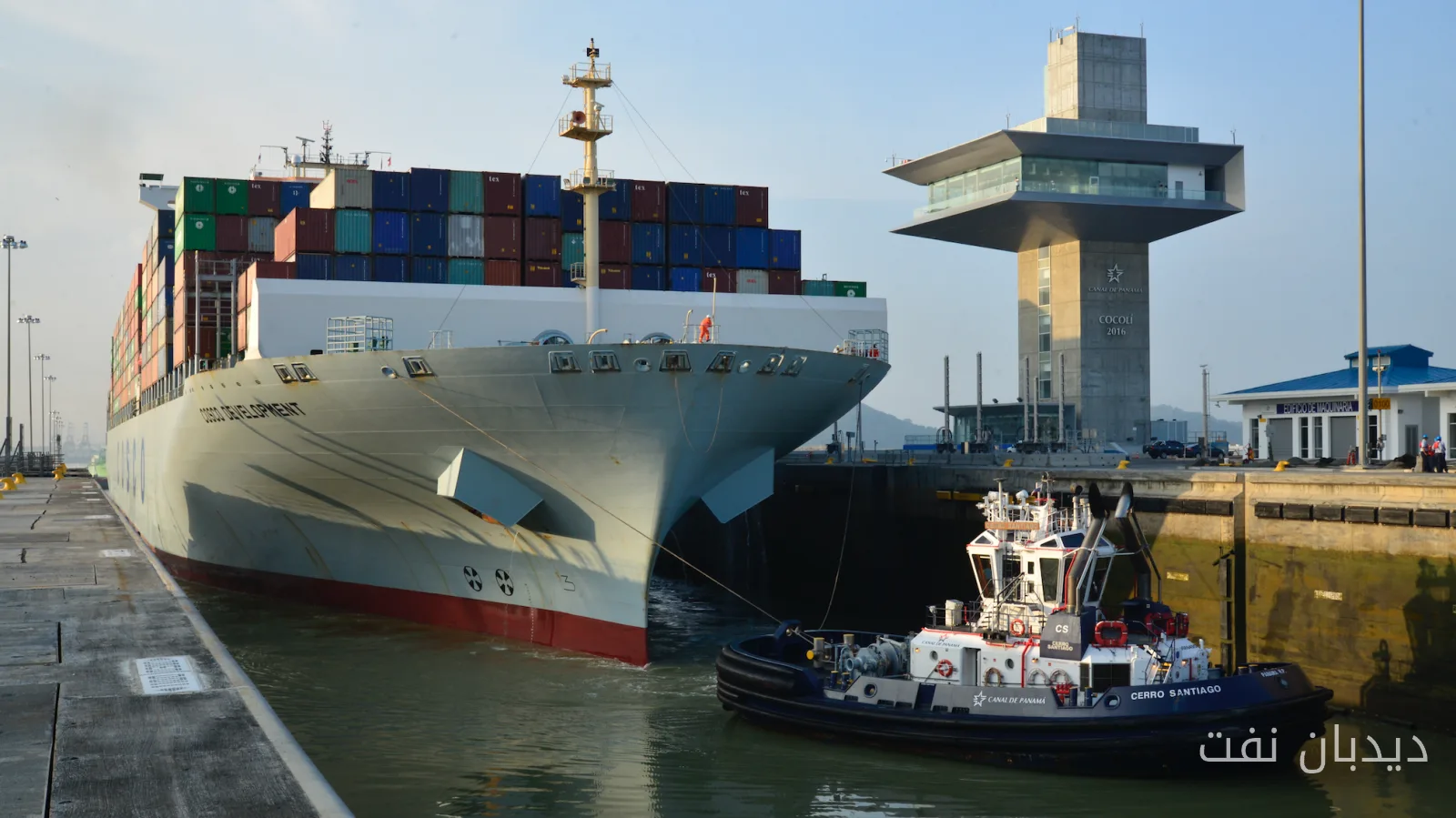
The International Transport Workers' Federation (ITF) has called for action from Panama Canal authorities following the death of a 59-year-old tugboat captain named Cerro Santiago on September 30. This captain lost his life while assisting a Neo-Panamax vessel heading north, due to a demanding work schedule and fatigue.
Details of the Incident and ITF's Requests
Initial reports suggest that the captain may have died from a stroke. However, ITF has called for a thorough, independent, and transparent investigation into the cause of death. The organization has pointed to recurring fatigue issues among tugboat crews and emphasizes that investigations should include assessments of fatigue and matters such as rest periods, consecutive shifts, and working hours.
Read more: Iran and US negotiations at an impasse with Trump's rejection of Tehran's proposal
Stephen Cotton, ITF General Secretary, has stated that labor unions in the canal have been warning for years about safety risks posed by fatigue, and these warnings must now be taken seriously. He added that authorities need to address this issue and impose restrictions on consecutive shifts so that workers can have adequate rest and increase staffing levels to maintain safety at an acceptable level.
History of Fatigue-Related Incidents in the Panama Canal
While authorities have remained silent regarding the captain's death, the issue of fatigue among tugboat operators continues to be a significant concern in this vital waterway, which manages about 40% of US container traffic and nearly 5% of global trade. In recent years, multiple incidents in the canal have been directly linked to fatigue. For example, in 2017, the tugboat Cerro Santiago collided with the US Coast Guard vessel Tampa, which was attributed to the tugboat captain's lack of attention due to fatigue.
A study commissioned by the Panama Captains' Union, Unión de Capitanes y Oficiales de Cubierta (UCOC), has emphasized that long working hours remain a safety hazard for the canal and its personnel. Jacques Kirkoff, head of ITF's inland navigation section, stated, "Workers and unions have been warning for years that excessive working hours and insufficient rest endanger lives and safe operations in the Panama Canal. Authorities must now act without delay."
In June, Panama Canal authorities celebrated the tenth anniversary of the historic expansion of the canal, which has had significant impacts including increased capacity, boosted revenues, and strengthened the role of this waterway as a critical platform for global trade. Officials announced that during the first eight months of fiscal year 2026, which runs from October 2025 to May 2026, there were 8,593 recorded transits, with 27.7% of these transits being Neo-Panamax vessels. The expanded canal now accounts for over 50% of the total revenues generated from this interoceanic waterway.
Read more: China's research vessel patrol in Philippine waters criticized · Massive fire in a goods warehouse on Government Street