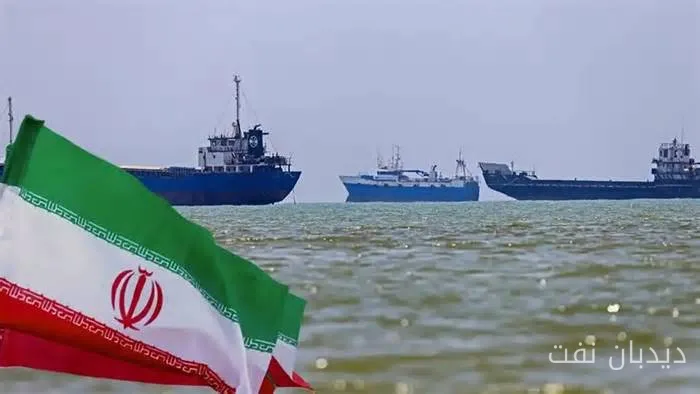
The Donald Trump administration has rejected Iran's proposal to reopen the Strait of Hormuz and end the conflicts within seven days. This proposal was raised during indirect negotiations between Tehran and Washington on the sidelines of the United Nations General Assembly.
Iran's Reaction to the Rejection of the Proposal
Abbas Araghchi, Iran's Deputy Foreign Minister, has stated that Tehran has seen Trump's initial reaction; however, the official response from the US through intermediaries has not yet been conveyed to Iran. He emphasized that he sees the solution to the crisis only through negotiation, and Tehran's decision will be made after receiving Washington's official position.
Read more: Kerman Police: 3,000 Vehicles Related to Fuel Smuggling Seized
Main Disagreements and Sanctions
According to existing reports, the main disagreement between the two sides still revolves around nuclear issues and matters related to the Strait of Hormuz. Iran has proposed that if the maritime blockade is lifted, oil sanctions are reduced, and a regional ceasefire is established, it will reopen the Strait of Hormuz and resume nuclear negotiations. Washington is also seeking nuclear concessions from Tehran, and these disagreements remain serious.
Situation of Tanker Market and Exports
While negotiations between Iran and the US are at an impasse, the prices of five-year and ten-year tankers have surged significantly, and buying and selling contracts are being finalized in a matter of days instead of weeks. Brokers are competing to secure the fastest deliverable ships. One broker active in supertanker transactions described the market situation as "crazy" and noted the sale of several ships built before 2016 for $150 million or more.
Diplomatic efforts have not completely stalled. Despite Trump's public rejection of Iran's proposal, an American official has described the indirect negotiations as still "positive and constructive." US envoys, including Steve Witkoff and Jared Kushner, have been in contact with Araghchi and Qatari intermediaries in New York.
Chris Wright, the US Secretary of Energy, stated that last week, more than 20 million barrels of oil passed through the Strait in one day, which is even higher than pre-conflict levels. The current daily export average is about 13 million barrels, and therefore oil and gas continue to flow out of the Strait of Hormuz.
Read more: Panama Flag Falls to Third Place in Global Ship Ranking · Iran's Proposal to Reopen the Strait of Hormuz and Adhere to Agreements