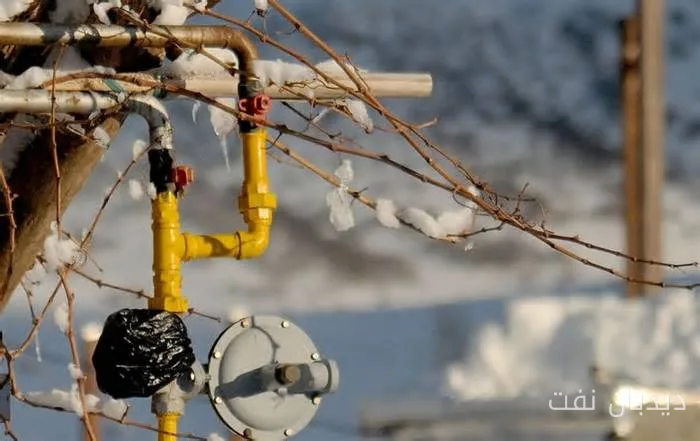
Hedayatollah Khadami discussed the gas imbalance situation and potential challenges in fuel supply for power plants and industries during the winter, stating: In the aftermath of the damages caused by the war, out of a total lost capacity of 230 million cubic meters, 100 million cubic meters have been returned to the cycle. Following this event, the central oil company launched several projects to compensate for the reduction in production, and reconstruction efforts were also carried out in South Pars.
Reduction in Gas Production and Its Challenges
He added: Before these events, the country's gas production was about 800 million cubic meters per day, but we faced a reduction in production during peak consumption periods. Currently, a reduction of 400 million cubic meters in gas production is a very significant figure and means losing a considerable portion of production capacity and creating serious limitations in meeting the country's needs.
Read more: Military evacuation in the People's Liberation Army of China under the leadership of Xi Jinping
This former member of the Energy Commission of the Parliament pointed to the consequences of this situation for industries in winter, saying: A daily reduction of 400 million cubic meters of gas could lead to the halt of production in many industries. Although there are forecasts for using mazut and other liquid fuels, the volume of gas production reduction is such that it cannot be easily overlooked, and this event is very significant and concerning.
Priority of Gas Supply and Economic Consequences
He clarified regarding the possibility of gas supply limitations in winter: Of course, the situation largely depends on the temperature, and we hope that the cold weather will not be severe enough to pose a serious challenge to the country. However, northern provinces and some other areas will face more problems, and as announced, 11 provinces are under gas stress.
This energy expert continued: In such conditions, the priority for gas supply will be the residential sector, and limitations will mainly be imposed on industries. The consequence of this decision is not just a reduction in production; industries will also face difficulties in paying employee salaries, fulfilling financial obligations, and repaying bank debts. As a result, we may face an economic domino effect that leads to increased recession and inflation in the country.
Khadami emphasized: The fundamental solution is to move towards the development of various gas fields, especially joint fields. Imports, in addition to creating dependency in the energy sector, impose significant costs on the country's economy. On the other hand, there is always the concern that the country of origin may halt its gas exports under specific conditions.
He referred to the experience of gas cooperation with Turkmenistan, stating: We also faced fundamental problems regarding the import and swap of Turkmen gas. While this country was interested in gas cooperation with Iran and was reluctant to swap or sell its gas to Azerbaijan, unfortunately, the situation progressed in a way that its cooperation with Iran did not continue and shifted towards Azerbaijan.
Read more: Increase in Russian attacks on ships in the Black Sea and its impact on maritime transport · Mohammad Reza Aref emphasized the necessity of managing gas consumption in winter