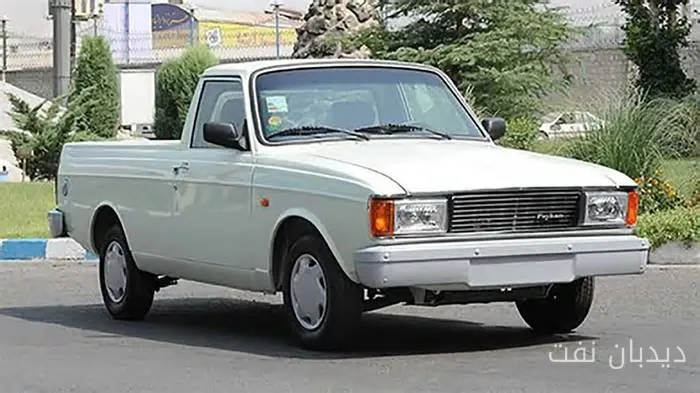
The head of the Fleet Renewal Headquarters and vehicle scrapping, Mohammad Sadegh Hatami, announced that about 40% of the country's gasoline is wasted in old cars and motorcycles. This situation has arisen due to the increased age of these vehicles and their declining technical efficiency.
Challenges of High Gasoline Consumption
High gasoline consumption in Iran is recognized as one of the main challenges in the energy sector. This challenge not only puts pressure on the budget and fuel supply chain but also has consequences such as increased air pollution and degradation of urban infrastructure. According to available data, there are about 14 million old passenger cars and motorcycles in the country that consume nearly 20 billion liters of gasoline annually.
The annual gasoline consumption of the country is estimated to be about 49.3 billion liters, with a daily average consumption of about 135 million liters. The share of the old fleet from this amount is significant. Old passenger cars consume an average of 16 liters of gasoline per 100 kilometers, and motorcycles also consume nearly 12 billion liters of gasoline annually.
Renewal Actions and Fuel Consumption Reduction
Hatami emphasized that renewing the old fleet not only helps reduce fuel consumption and gasoline imbalance but can also lead to improved air quality and reduced fuel supply costs. According to estimates, replacing one million old passenger cars with new models could reduce gasoline consumption by about 1.2 billion liters annually. Additionally, if 4 million old motorcycles are retired and replaced with new low-consumption models, about 2.1 billion liters of annual fuel savings will be achieved.
In total, the targeted renewal of five million passenger cars and motorcycles could result in approximately 3.3 billion liters of gasoline savings annually. Over the past 20 years, only 2 million and 670 thousand vehicles have been scrapped, and in the last three years, about 680 thousand vehicles have been retired, which is equivalent to 25% of the total scrapping performance in the country over the past two decades.
Considering the fuel consumption statistics of the old fleet, renewing this fleet as a vehicle policy can directly impact the management of the country's energy consumption. Facilitating the scrapping process and securing financial resources for replacing these vehicles with new fleets is one of the pathways to reducing fuel consumption.
Read more: Ahmadi: Bank card helps manage gasoline consumption · Operation of the Persian Gulf Mehr Refinery by the end of September