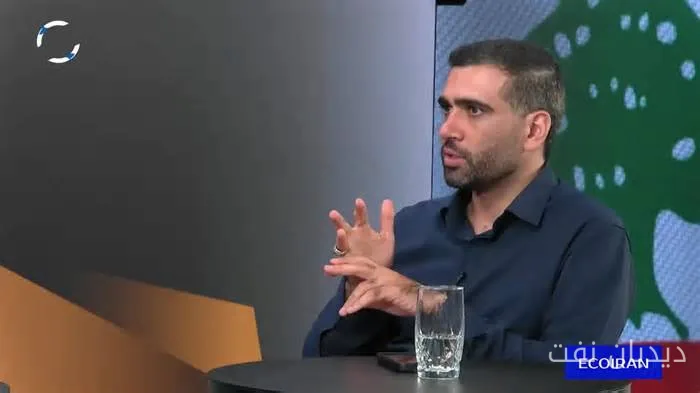
Hasaniyah stated in a statement the necessity of starting to rebuild Iran's regional role after the war. He expressed that this approach is not only specific to Iran but also includes other members of the axis of resistance. He noted that Iran's image in the axis of resistance has become heavily security and military-oriented, which seems natural given the regional conditions in recent years. However, now is the time for Iran to establish new connections with countries in the region.
Creating Economic and Social Ties
Hasaniyah emphasized that these ties can be formed with governments and even regional movements. He pointed to the importance of creating economic and social links with countries like Iraq and Yemen, adding: "Just as Arbaeen is a social connection and the export of gas and electricity is an economic link between Iran and these countries, we must strive to expand our communications in other areas as well."
Read more: Forecast of Increased Supply Pressure in the Container Transport Market by BIMCO
Challenges and Opportunities
Hasaniyah, referring to the existing challenges in this area, emphasized the need for innovation and the utilization of existing capacities in the region. He stated: "Iran must strive to play an effective role in new economic and social arenas by using past experiences." These challenges arise while many countries in the region are seeking to strengthen their relations with each other, and Iran must also be active in this regard.
Hasaniyah also pointed to the necessity of paying attention to cultural and social relations with neighboring countries, stating that these relations can help strengthen security and stability in the region. He noted: "Iran must strive to present a positive and constructive image to the countries in the region and thereby strengthen its communications."
Read more: The Empire State Training Ship Sets Sail on MARAD's Orders · Saudi Oil Route Shift Towards the U.S.-Led Corridor in the Strait of Hormuz



