The Ministry of Industry, Mine and Trade of Iran (Ministry of Industry) has changed the implementation timeline for the requirement to provide the Iran Commodity Exchange certification for the export of copper cathodes, sponge iron, and hot-rolled steel sheets as previously scheduled. According to letter number 8723185 dated September 19, 2026, from the Deputy for Mining and Mineral Industries of the Ministry of Industry, the deadline for providing this certification has been extended from October 7, 2026, to January 30, 2026.
Details of the Commodity Exchange Export Certification Requirement
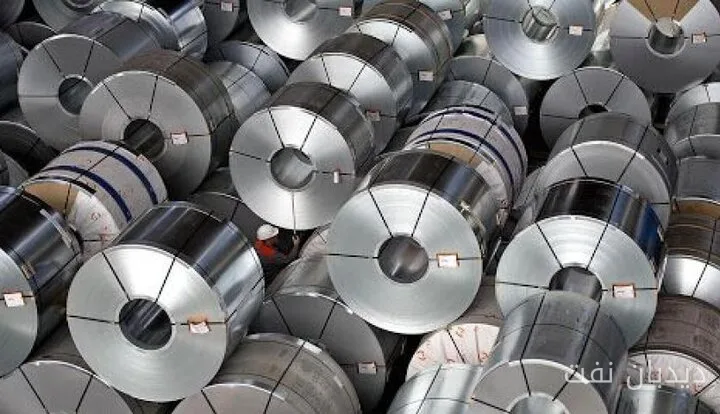
According to this announcement, exporters of copper cathodes with tariff code 74031100, sponge iron in the form of briquettes using the hot method with tariff code 72031010, and hot-rolled steel sheets will be subject to the requirement to provide the export certification from the Iran Commodity Exchange. This action has been taken to regulate the market and monitor the export of these items.
Read more: Dan Jørgensen warns about the energy price crisis in the European Union
Reasons for Extending the Implementation Timeline
The extension of the deadline for providing this certification follows correspondence and reviews conducted in the Deputy for Mining and Mineral Industries of the Ministry of Industry. It is anticipated that this change in the implementation timeline will assist exporters in carrying out their export processes smoothly and without additional problems. Especially in conditions where the global market and demand for these products are changing, this action could help sustain exports and optimize market regulation.
This decision has been made while the Ministry of Industry had previously set the implementation of this requirement from October 7, 2026, but considering market needs and expert recommendations, the deadline has been extended until the end of January of the current year. It appears that this decision by the Ministry of Industry is aimed at supporting exporters and facilitating export processes.
Read more: Russia can resume 80 percent of its grain export capacity in the Black Sea · 120 percent increase in livestock imports from the borders of Sistan and Baluchestan