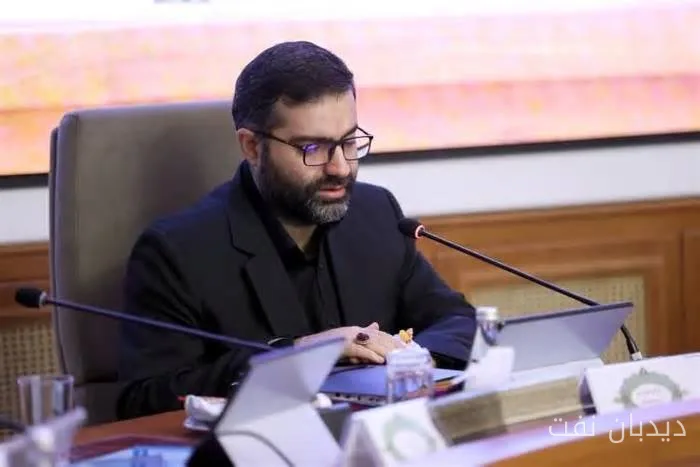
Ehsan Zabihzadeh, spokesperson for the electricity industry, emphasized the connection between issues in the electricity sector and other energy carriers, stating the necessity of addressing broader aspects of this industry to solve existing challenges. He mentioned that to achieve comprehensive solutions, it is essential to examine the connections between different energy sectors and their technical, economic, and social dimensions in an integrated manner.
Energy Governance and Effective Decision-Making
Zabihzadeh considered governance as overseeing the identification and prioritization of issues, selecting solutions, and evaluating the consequences of decision-making. He emphasized that effective decision-making requires prioritizing issues based on importance and selecting solutions based on specific rules. Additionally, the advantages and potential harms of decisions should be evaluated before and after implementation.
Read more: Deputy Minister of Industry: Iran's Export Markets in the South of the Persian Gulf Have Been Lost
He pointed out the capacity of universities, think tanks, and research centers in the country, deeming the use of scientific findings and international experiences essential for improving the quality of decision-making. Furthermore, with increasing attention from executive bodies, legislative institutions, and academic circles to energy issues, he expressed hope that an integrated approach to this field would become the dominant approach in the country's policymaking.
The Trend of Reducing Electricity Imbalance and Upcoming Challenges
Zabihzadeh continued by referring to the trend of electricity imbalance in recent years, stating that the level of imbalance during peak consumption decreased from 20,000 megawatts two years ago to 15,000 megawatts last year and to 10,000 megawatts this summer. He considered this trend a sign of relative improvement, but emphasized that the actions taken are not sufficient and that efforts in various areas must continue for sustainable improvement of the situation.
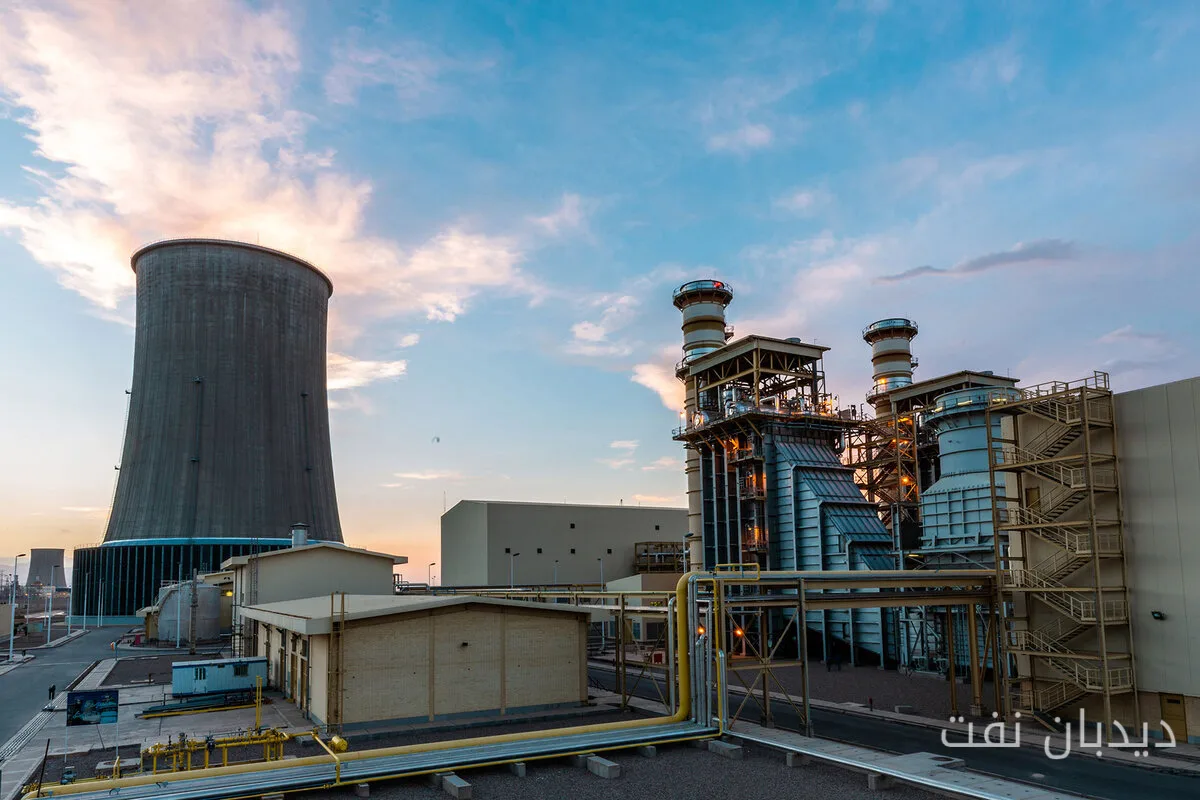
The spokesperson for the electricity industry listed the development of renewable power plants, increased investment in the production sector, and enhancing the efficiency of thermal power plants as effective measures in improving the electricity supply situation. He also stressed the necessity of diversifying the energy supply portfolio, stating that dependence on fossil fuels could create challenges for the electricity industry.
Finally, Zabihzadeh noted that alongside increasing electricity supply capacities, more efficient use of energy resources and reforming consumption patterns are also effective in improving the situation of this industry. He expressed hope that by strengthening cooperation among various sectors and adopting an integrated approach in decision-making, the groundwork for achieving more effective solutions to face the challenges of the electricity industry would be established.
Read more: Sanctions on Iran's Oil Exports and Their Impact on Payments in Economic Sectors · Knowledge-Based Management in Addressing Energy Imbalances in Ardabil Province