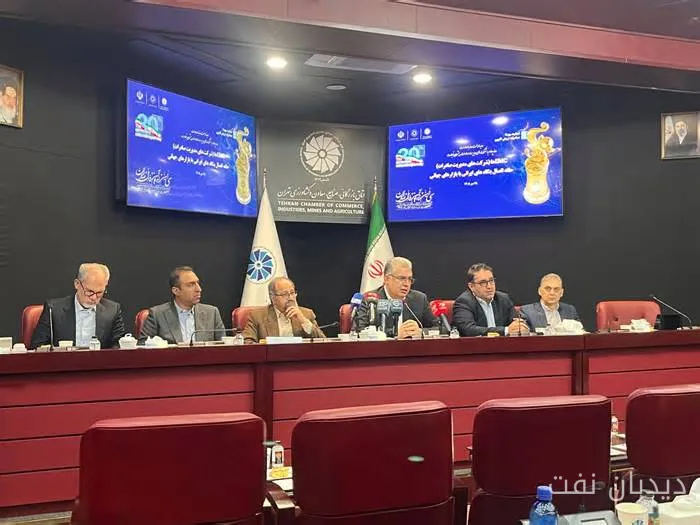
Mohammad Ali Dehghan Dehghani, Head of the Trade Development Organization of Iran, at a specialized meeting of Export Management Companies (EMCs) at the Tehran Chamber of Commerce, stated that Iran's export markets in the South of the Persian Gulf have been lost, emphasizing the importance of developing non-oil exports and professionalizing export activities.
The Necessity of Professionalizing Exports
Dehghan Dehghani pointed out that the development of Iran's non-oil exports is not limited to increasing the volume of trade, stressing the need to improve the quality of goods, maintain target markets, and increase the added value of exported products. He explained that the Trade Development Organization of Iran is working to strengthen export management companies and export consortia so that small and medium-sized enterprises can have a more professional presence in international markets by utilizing the specialized capacities of these entities.
Read more: California ports set new loading records
The Gap Between Export Performance and Economic Capacities
The Head of the Trade Development Organization of Iran referred to the country's non-oil export performance last year, stating: Iran's non-oil exports reached about 52 billion dollars despite challenges. Comparing the export performance of Iran and Turkey, he highlighted the significant gap between the exports of the two countries, noting that Turkey has about 350 billion dollars in annual goods exports. Meanwhile, Iran's economic capacities in oil, gas, mining, and human resources indicate that the country's export capacity is much higher than the current level.
Dehghan Dehghani also mentioned the average value of each ton of Iran's exported goods, which has been between 300 to 400 dollars, and noted that this figure is significantly lower than the average value of each ton of goods imported into Iran. He stated that some Iranian goods gain more added value after being exported to other countries through processing, and if these processes are carried out domestically, it can help create more added value for Iran's economy.
The Role of Export Consortia in Reducing Costs
Dehghan Dehghani further referred to the role of export consortia, stating that this model of cooperation can help economic enterprises enter new markets by sharing costs. He explained that market research is one of the significant costs of entering new markets, and to reduce these costs, several economic entities can jointly bear the research expenses.
The Head of the Trade Development Organization of Iran also pointed to the status of export management companies in Iran, stating that these companies must understand the principles of international trade and possess the necessary capabilities to provide export services to small and medium-sized enterprises. He added that some export management companies in Iran lack the necessary capabilities and that there is a need to revise the regulations governing these companies' activities.
Dehghan Dehghani ultimately emphasized the necessity of reforming the operational guidelines for export management companies, stating that this organization is reviewing the laws related to these companies to enhance their capabilities so that small and medium-sized enterprises can have a more effective presence in international markets.
Read more: The Strait of Hormuz and its impact on global energy equations · Challenges for producers in Iran's economy go beyond inflation



