The Strait of Hormuz plays a key role in supplying oil and gas from the Gulf countries. According to the U.S. Energy Information Administration, approximately 20.9 million barrels of oil pass through this strait daily, which is nearly one-fifth of global oil and petroleum product consumption.
Geographical Position and Its Impacts
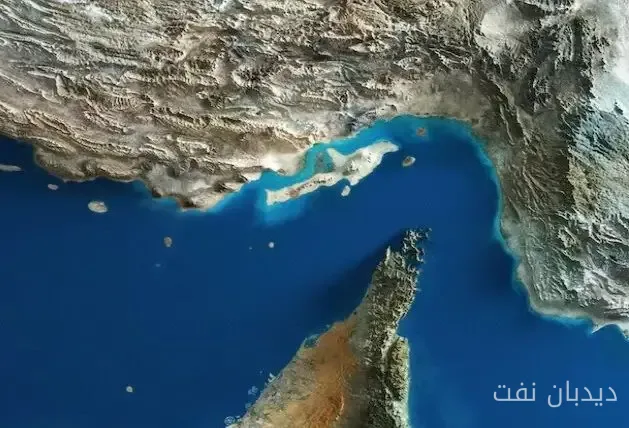
The geographical position of the Strait of Hormuz is recognized not only as a shipping route but also as one of the influential factors in the security and economic calculations of countries worldwide. In the narrowest part of this strait, the distance between the shores of Iran and the Musandam Peninsula of Oman is about 34 kilometers. These geographical constraints, along with the limited capacities of Saudi and Emirati pipelines, increase the energy markets' dependence on the Strait of Hormuz.
Read more: Oftgam in Search of the Owner of the Energy Transfer Infrastructure of Hornsia 3
Considering the military superiority of the United States, Iran employs various asymmetric deterrence tools, and the geographical importance of the Strait of Hormuz in these calculations is unparalleled. Any serious threat to navigation in this waterway could raise concerns about energy supply and its impact on oil prices and transportation costs.
Economic and Political Consequences
In 2012, Mohammad Ali Jafari, the then-commander of the Revolutionary Guard, stated regarding the importance of this passage: "Either everyone can use the Strait of Hormuz, or no one can." This statement reflects the profound economic and political impacts resulting from any disruption in maritime traffic. A complete closure of the strait could have severe consequences for Iran and other countries in the region.
The link between geography and global politics and economics in the Strait of Hormuz is clearly evident. The dependence of energy markets on this passage means that any increase in tensions around it will resonate beyond regional borders. Therefore, any strategy to reduce tensions between Iran and the United States and to maintain energy security must inevitably consider the importance of this waterway in its calculations.
Read more: Iran Needs to Diversify Gas Supply from Neighbors · UK Maritime Trade Operations: 20 Attacks on Vessels in the Strait of Hormuz Since October 1