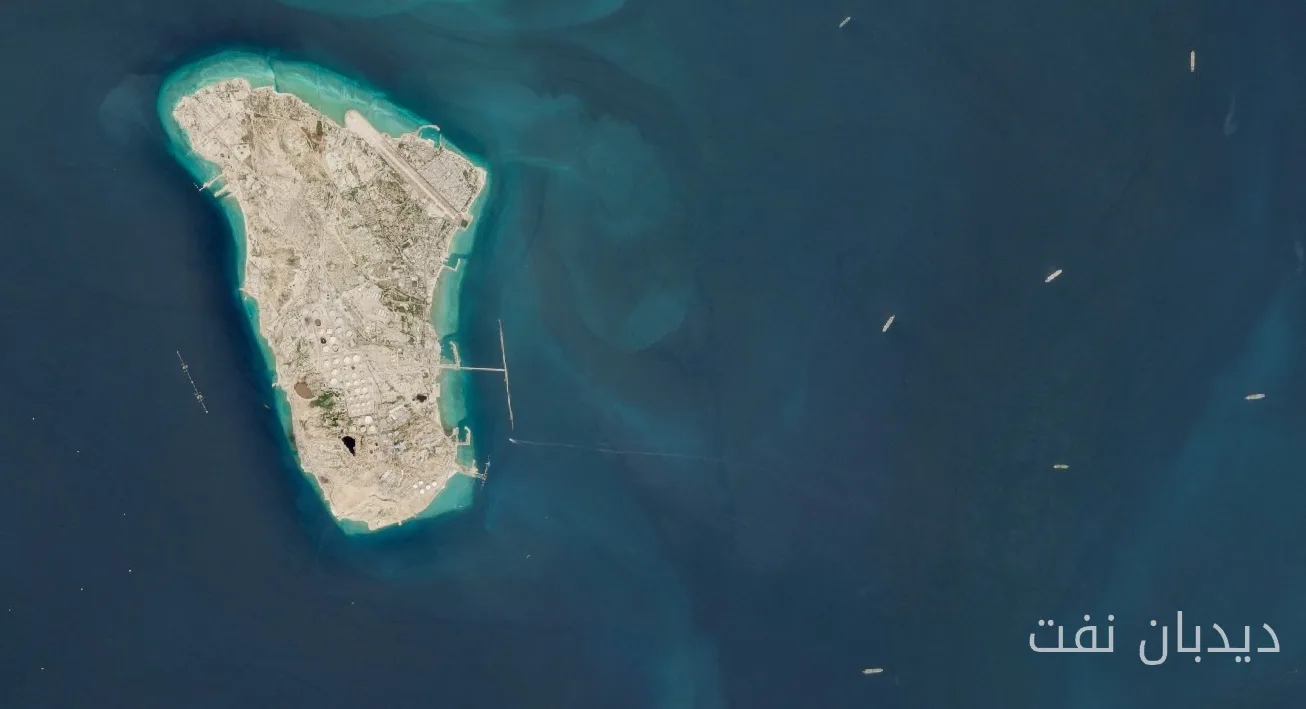
The sanctions and maritime blockade imposed by the United States on Iran's oil exports have severely impacted the economy of this country. According to available information, Iran's oil exports, which were primarily sent to China, are expected to reach zero soon, and the last remaining oil reserves at sea will be depleted by the end of the year.
Economic and Social Impacts
Admiral Brad Cooper, commander of the U.S. Central Command, has stated that the liquidity shortage caused by these sanctions has harmed payments for salaries and pensions in the energy, oil, manufacturing, construction, aviation, steel, and automotive sectors in Iran. Unexpectedly, these impacts also include payments related to regular military forces and the Islamic Revolutionary Guard Corps. The Basij forces, as part of the command structure of the Guard, play a role in suppressing protests and unrest in the streets.
Read more: Moscow to Host the Eighth Summit of Gas Exporting Countries
Currency Fluctuations and Inflation
The economic pressures resulting from the sanctions are evident in two sensitive indicators: the exchange rate and inflation. The exchange rate has reached 2,695,000 rials per dollar, and inflation has risen to 70 percent. These two indicators have reached their highest historical levels, reflecting the unstable economic situation in Iran.
On October 16, Admiral Cooper announced that the U.S. maritime blockade has fully affected the control of traffic to and from Iranian ports, while U.S. regional partners have passed over 400 ships and 100 million barrels of oil through the Strait of Hormuz in the past seven days. This traffic, although lower than pre-war standards, is sufficient to prevent severe crises.
The financial pressure on Iran has led to tensions among the political elites of the country. While hardline groups within the Islamic Revolutionary Guard Corps are calling for increased military actions against the United States and its allies, other officials, including former President Hassan Rouhani, are advocating for a return to negotiations and resolution of the situation.
With these pressures continuing, the likelihood of further attacks on maritime traffic in the Persian Gulf exists, raising concerns within the international community.
Read more: India Introduces Two New Insurance Products for Shipbuilders · Iran's Crude Oil Production Reaches Highest Level in Seven Years Under Hamid Bord's Management



