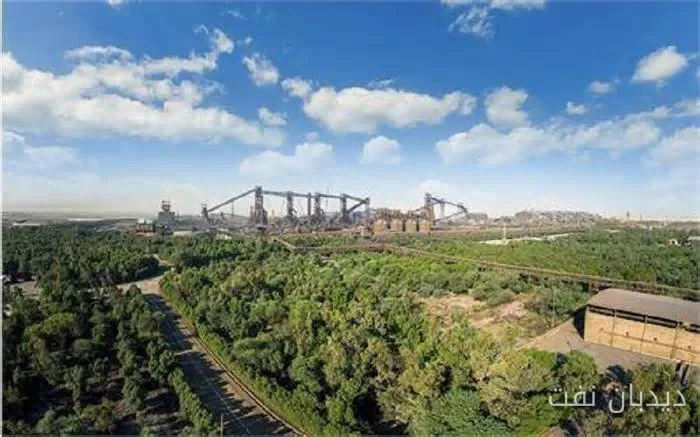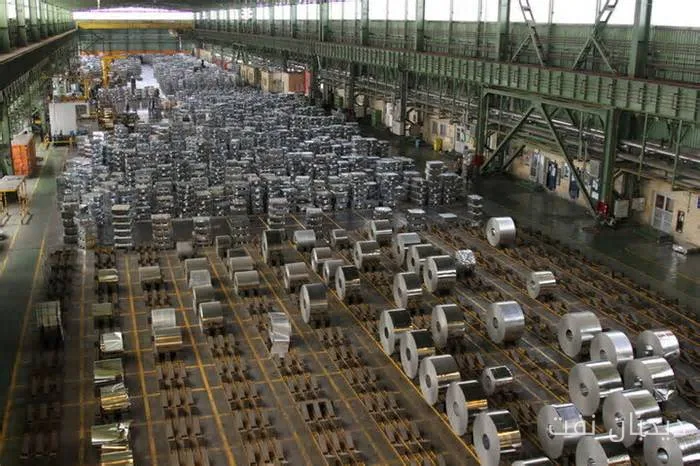
East Azerbaijan, producing about 33% of the country's steel, is facing a serious challenge in securing the necessary feed for steelmaking units. In this province, 70 to 80 percent of the required mineral materials are supplied from Central Iran, and this dependency on raw material supply leads to increased transportation costs and reduced competitiveness in the market.
Challenges of Feed Supply and High Transportation Costs
According to activists from the Tabriz Chamber of Commerce, the transportation cost of mineral materials for steel units in East Azerbaijan is 20 to 30 percent higher than in the provinces of Kerman, Yazd, and Isfahan. This cost difference directly impacts the final product prices and reduces the competitiveness of East Azerbaijan's steel in domestic and export markets.
Read more: Adani Enterprise Settles Oil Sanctions by Paying $275 Million
Moreover, the number of steel units in the province exceeds its feed supply capacity, leading to negative competition among the units. As a result, when several units compete for a shipment of concentrate or pellets, the buyer's bargaining power decreases, and the feed price for all these units increases.
Structural Crisis and Energy Imbalance
As one of the industrial hubs of the country, East Azerbaijan has faced the problem of a lack of iron mineral base for decades. According to statistics, Iran's nominal steel capacity has reached over 55 million tons, but actual production in 1404 is expected to be around 32 million tons. This 23 million ton gap clearly indicates energy imbalance and a shortage of concentrate and pellets.
The Mining and Metals Commission of the Tabriz Chamber has recognized this crisis not only as a temporary issue but as a structural damage in the steel supply chain, calling for a revision of energy, tax, and trade policies. In this regard, the President of the Iranian Steel Producers Association has emphasized that energy constraints alone have reduced the country's steel production by about 10 million tons.
Ultimately, the crisis of feed supply and energy imbalance in East Azerbaijan not only leads to increased production costs and reduced competitiveness but may also result in decreased investment in this sector. If not managed properly, these issues could weaken the steel industry of the province and the country.
Read more: Maritime Casualties in the Black Sea Surpass the Strait of Hormuz · Inauguration of 4 Industrial and Energy Projects in East Azerbaijan with the Presence of Mohammad Jafar Ghaemian