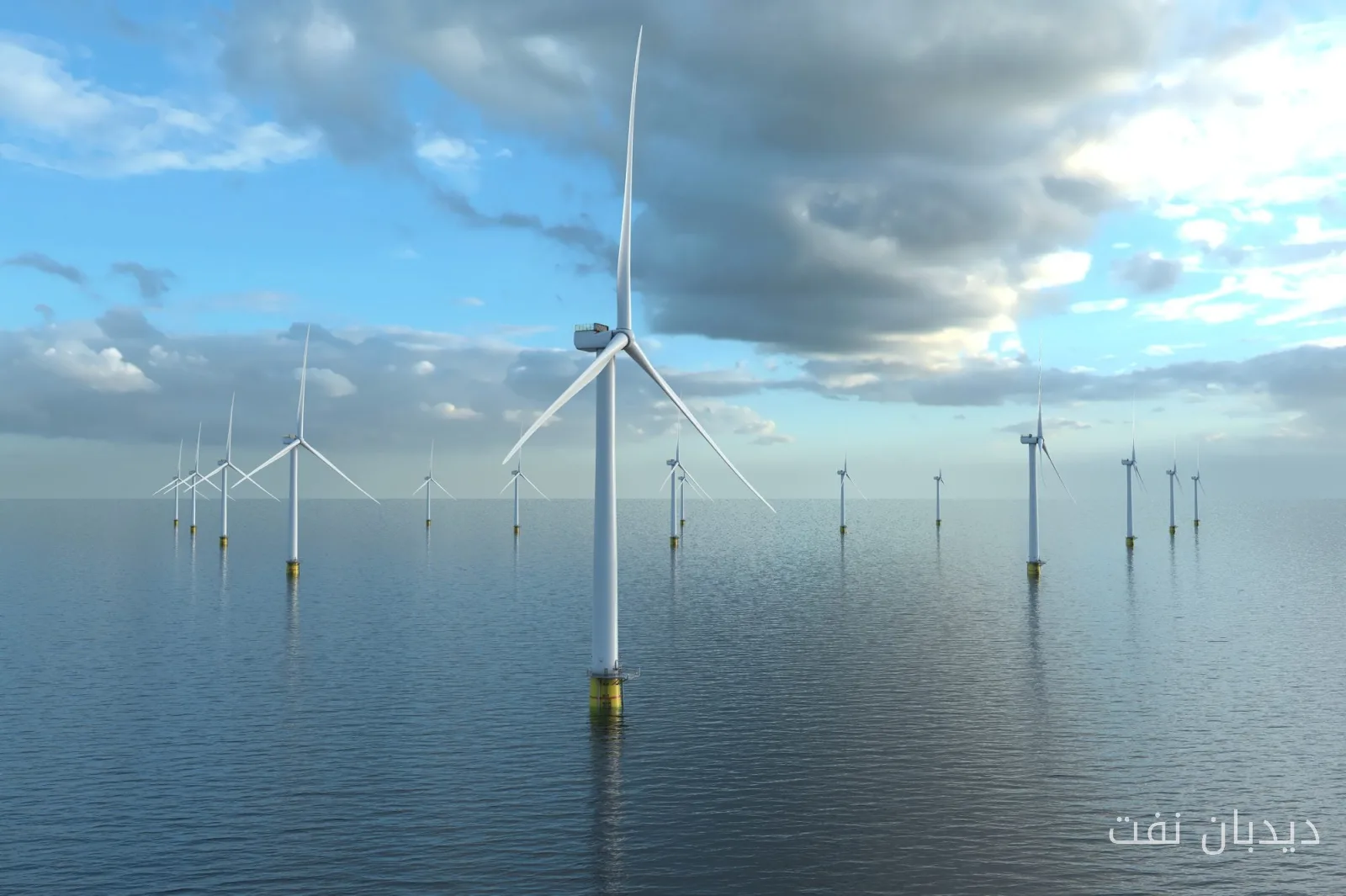
The Empire Wind offshore wind farm project has been postponed to the first half of 2027 due to delays in the construction of support vessels needed for the installation of wind turbines. Norwegian energy company Equinor announced that this project, with a capacity of 810 megawatts, is currently about 80 percent complete.
Details of the Delay in Turbine Installation
According to Equinor's Chief Financial Officer, Torgrim Reitan, most of the remaining project stages relate to the installation of turbines at sea, which is expected to begin next year. This delay in installation is due to reliance on specific support vessels and the capacity of domestic shipbuilding in the United States.
Read more: Seatrium and Karpowership are seeking to develop floating infrastructure in Southeast Asia
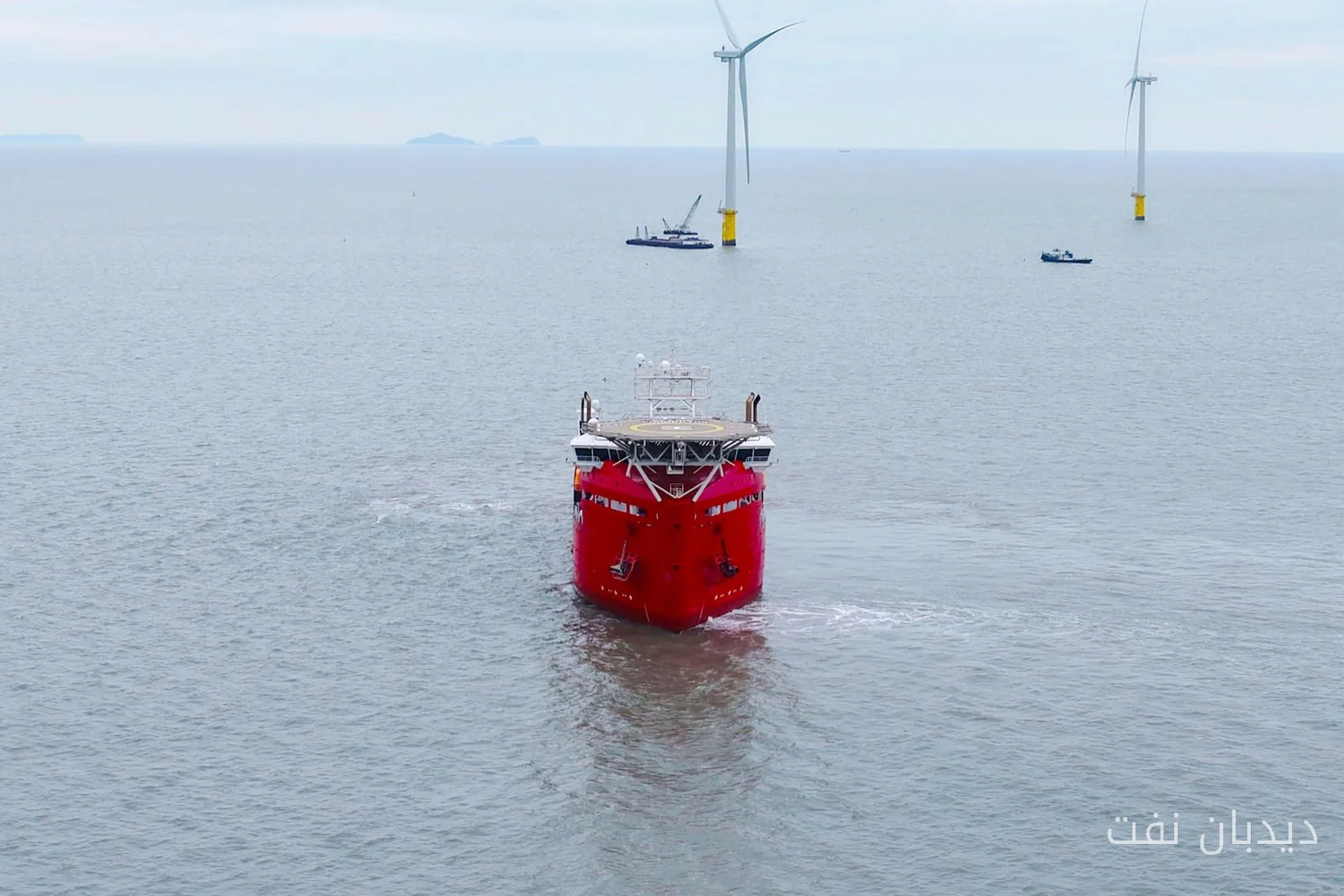
Empire Wind utilizes a turbine installation system developed by Maersk Offshore Wind, focusing on the Maersk Viridis installation vessel, built in Singapore. Due to regulations related to the Jones Act, which imposes restrictions on the transportation of cargo between different points in the United States, this vessel cannot transport turbine parts between various locations in the United States. Therefore, the project relies on barges and specialized boats built in the United States to transport turbine parts from the South Brooklyn Marine Terminal to the installation vessel at sea.
Overall Project Status and Financial Impacts
Currently, all 54 turbine foundations have been constructed, and work related to the underwater station and cables has also been completed. This project is located approximately 14 miles off the coast of Long Island and is expected to generate enough electricity to power about 500,000 households in New York.
Despite the scheduling delays, Equinor does not expect any changes in the overall project investment costs, although some expenses will be shifted from 2026 to 2027. The company has previously estimated that the total project investment, including the renovation of the South Brooklyn Marine Terminal, will be around $7.5 billion.
Additionally, Equinor anticipates receiving approximately $2.5 billion in U.S. investment tax credits, with about $2 billion recognized in 2027 and the remaining $500 million in 2028. The company stated that the new construction schedule will not affect the timing of these tax credits.
The recent delay in the Empire Wind project, one of the largest offshore wind projects under construction in the United States, highlights the challenges facing the U.S. offshore wind industry, which is dependent on domestic shipbuilding.
Read more: Opening of the marine robotics testing center by Equinor in Norway · Revival of the Iran LNG project after 20 years of suspension