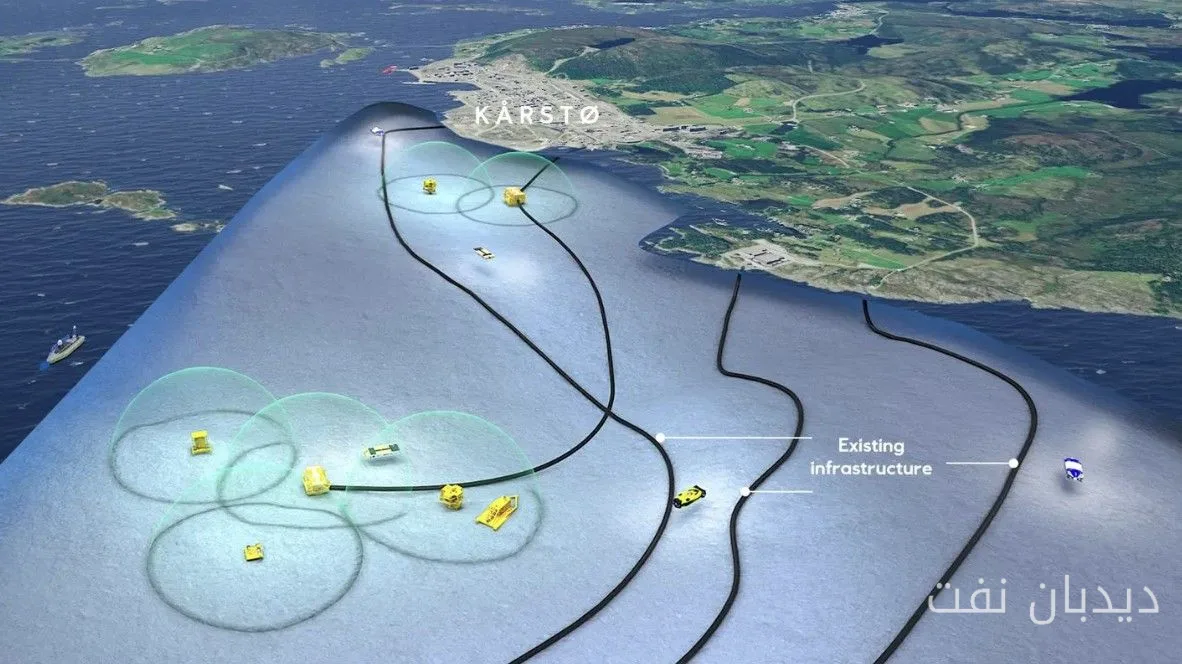
The Kårstø Marine Robotics Center (KNARR) was inaugurated on October 28, 2023, by Norway's Minister of Research and Higher Education, Aileen Vogulens, at the Kårstø processing plant in Tysvær, located on the western coast of Norway. This center is recognized as a specialized facility for testing, evaluating, and developing marine robotics technologies, including underwater drones, robots, and unmanned vessels.
Features of the Kårstø Marine Robotics Center
The KNARR center acts as an extension of several existing testing centers for early-stage technology testing and is said to be one of the first centers in the world connected to an operational facility. This feature aids in the development of technology in a pre-established operational environment.
Three testing areas at depths of 25, 140, and 250 meters have been dedicated at this center. These areas are available for use in marine industries and are designed to provide solutions for inspection, autonomous operations, environmental monitoring, securing, and maintaining marine facilities.
Investment and the Future of Marine Technologies
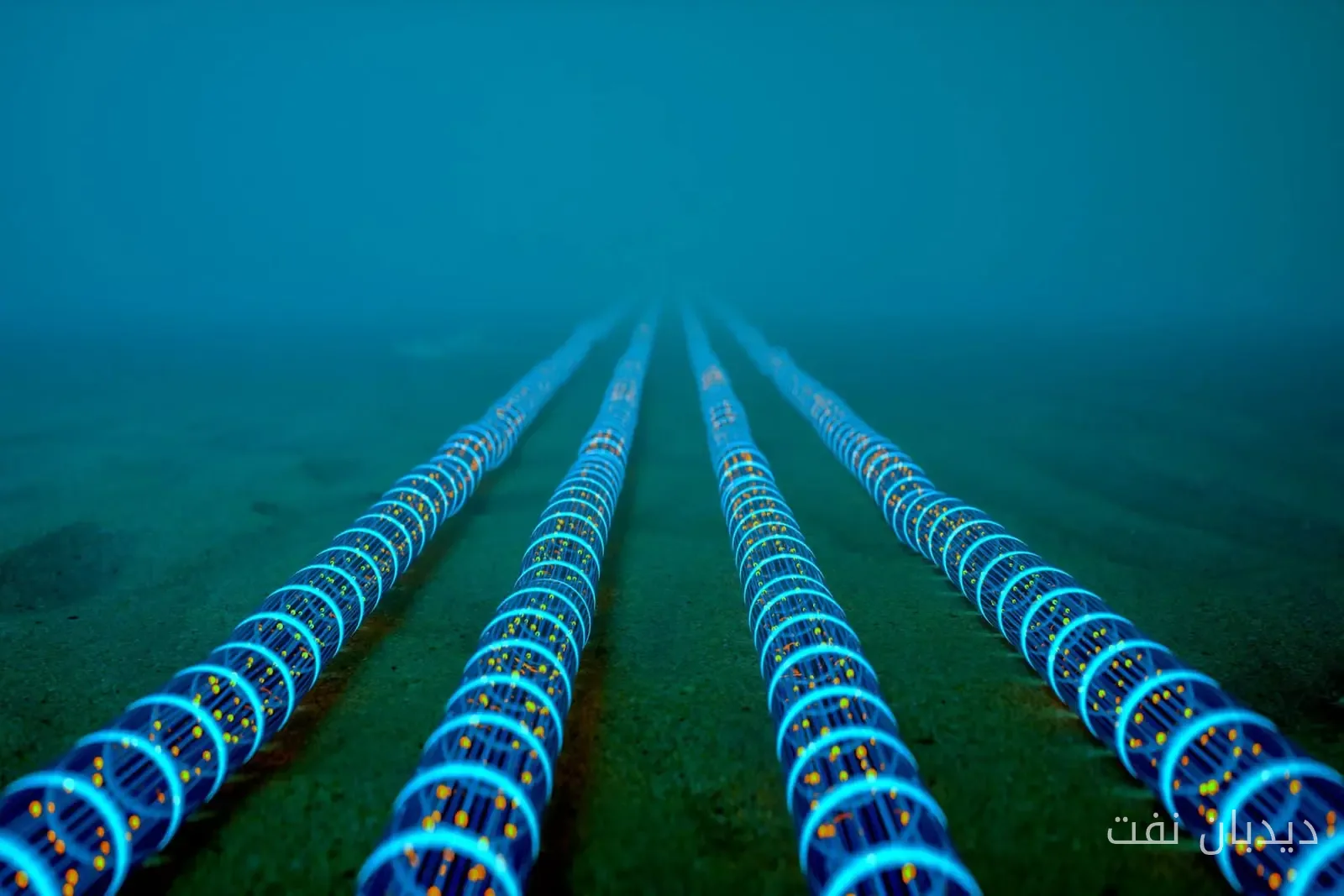
According to Equinor, three kilometers of underwater cable and related electronics have been installed over time for testing sensor technology. These cables, along with existing power cables and export pipelines, provide an opportunity to test distributed acoustic sensing (DAS).
Equinor has also announced that together with Gassco, they have invested 16 million Norwegian kroner (approximately 1.5 million euros) in establishing this center, and there is potential for expanding the facilities for new functions in the future.
Hege Skrist, Equinor's Executive Vice President for Technology, Digitalization, and Innovation, stated: "Norway's continental shelf is of great importance for securely and sustainably supplying oil and gas to Europe, and technology is key to maintaining oil and gas production and extracting more value from existing fields and infrastructure. At the KNARR center, we can test and develop technologies that make marine operations safer, more efficient, and data-driven. This work is done in close collaboration with suppliers, research communities, and industry partners."
Skrist also pointed to Norway's strategic advantages in advanced robotics and digital technology, saying: "Our strong environments in these areas can enhance our competitive edge in the decades to come. We have long coastlines and a rich industrial maritime history that we want to strengthen through effective collaborations in various industries such as aquaculture, oil and gas extraction, wind energy, shipping, and the defense industry."