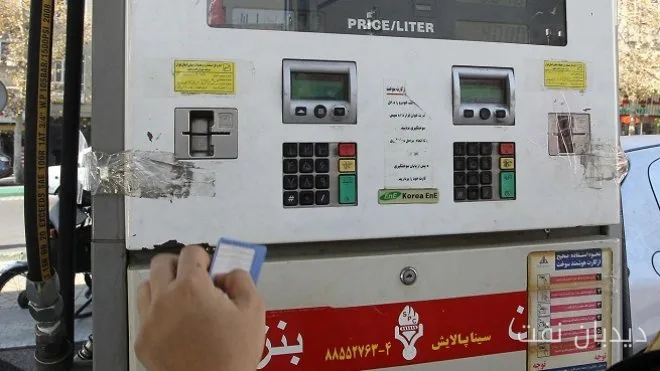
The plan to identify emergency fuel cards at stations aims to identify consumers and prevent misuse and smuggling of fuel and is currently being implemented on a trial basis. This plan has faced complaints from citizens who mention the deduction of 1,000 Toman for receiving a temporary password from their accounts.
Details of the Cost Deduction and Criticism
Citizens have reported that for each time they receive a temporary password to use the emergency fuel card, 1,000 Toman is deducted from their accounts. This issue has raised ambiguities regarding the basis for the charge and the necessity of payment, and applicants are calling for clarification on this matter.
Read more: Navitas is looking for new contractors for the Sea Lion project amid Argentina's sanctions threats
The plan to identify emergency fuel cards aims to accurately identify consumers and monitor fuel consumption, trying to prevent potential misuse. Previously, the use of emergency fuel cards limited the accurate identification of consumers, and the identification of these cards could help track delivered fuel and reduce the likelihood of it being diverted from the official network.
Consequences and Challenges of the Plan
Supporters of the plan believe that controlling the misuse of fuel cards requires registering the identity of consumers and being able to monitor the amount of fuel dispensed. However, criticisms are mainly directed at the implementation of the plan. Receiving a temporary password and going through the authentication process can increase refueling time, and disruptions in the system or equipment at the station can lead to longer queues.
Alongside these issues, reports from some citizens about the deduction of 1,000 Toman for each time they receive a temporary password have raised questions regarding the basis for this cost. Clarifying the reason for the charge and the conditions under which it is applied is a matter that needs addressing. Reducing the time to receive a password, resolving system and equipment disruptions, and determining the stated cost can make the implementation of the plan smoother for the public and station operators.
The success of this plan, in addition to identifying consumers, depends on the speed and ease of services at the stations. It seems that with improved processes and clarification of costs, there can be hope for a more successful implementation of this plan.
Read more: Iranian tankers are on the verge of completely emptying floating reserves · US sanctions have stopped 50 Iranian tankers off the coast of this country



