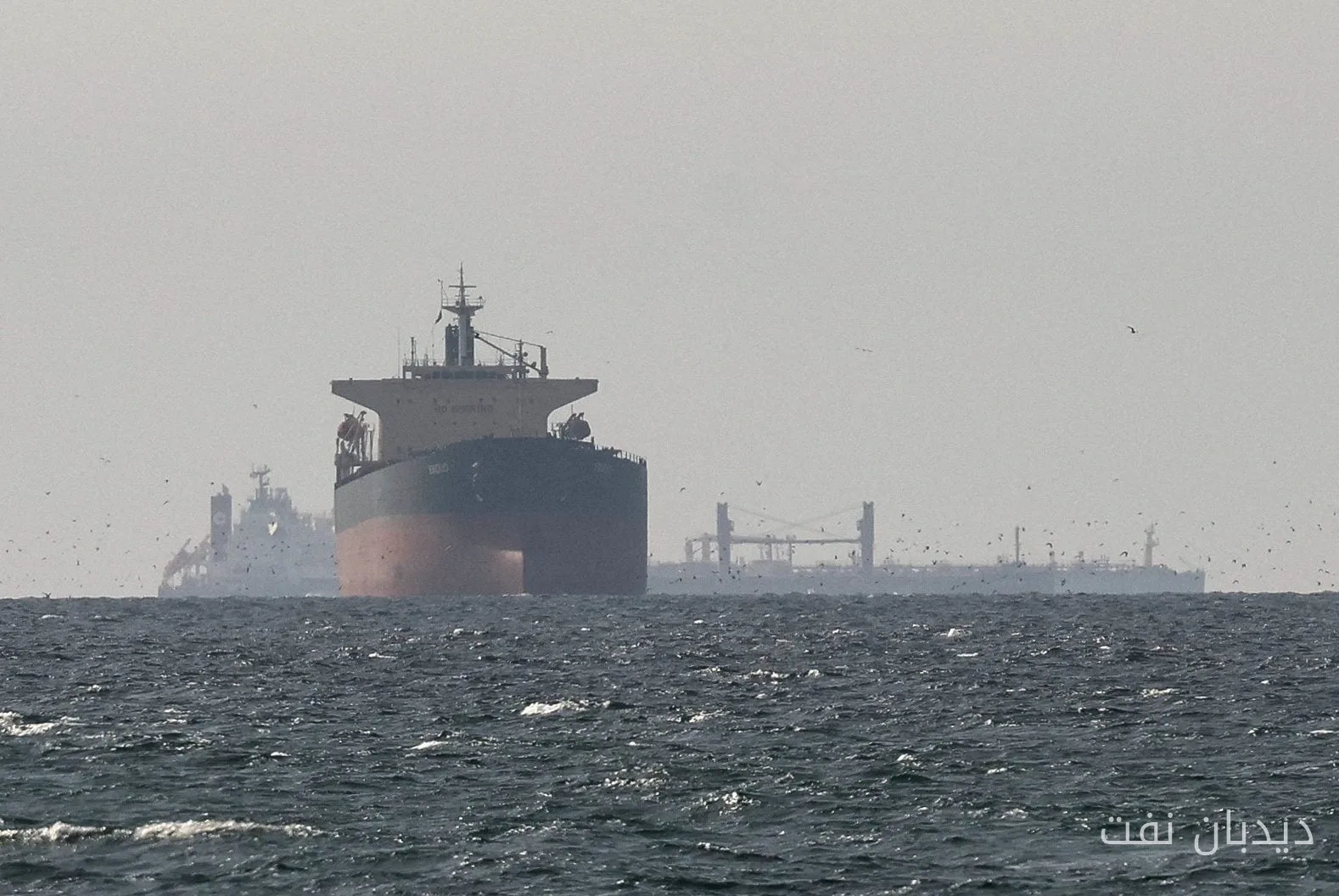
U.S. sanctions against Iran have led to the halting of at least 50 tankers carrying oil from the country off its coasts. According to a report from a non-governmental organization, these vessels are primarily carrying crude oil and petroleum products, and their situation has not changed significantly in the past two months.
Status of Tankers in the Persian Gulf
In the Persian Gulf, at least 11 loaded tankers have anchored east of Kharg Island, which is Iran's main oil export terminal. Additionally, five other tankers are located further south of this area. However, no tankers were observed loading at Kharg on Monday.
Read more: Change in Refinery Feedstock Formula and Its Impact on Energy Security
Impact of Sanctions on Oil Loading
According to initial estimates, Iran did not load any crude oil onto tankers in September, marking the first time since the war began in February that loading has reached zero. These sanctions are aimed at increasing economic pressure on Tehran and forcing it to capitulate. According to the U.S. Treasury Secretary, for the first time in history, Iran will have no oil at sea this week.
Meanwhile, 20 Iranian-flagged ships have anchored near Sri Lanka, and another ship is anchored near Oman. These vessels have refrained from returning to their Iranian ports due to U.S. sanctions and are waiting in various areas of the Indian Ocean.
Other Reports from the Strait of Hormuz
Commercial operations in or near the Strait of Hormuz have also been affected by these sanctions. Reports indicate that five separate incidents occurred in this area on Monday, including four attacks on tankers. This situation reflects increasing tensions in the region and its impacts on maritime transport.
Read more: Sanctions on Tankers in the Strait of Hormuz Pressure Iranian Oil · Deputy Speaker: Fuel Prices in America Determine the Status of the Strait of Hormuz



