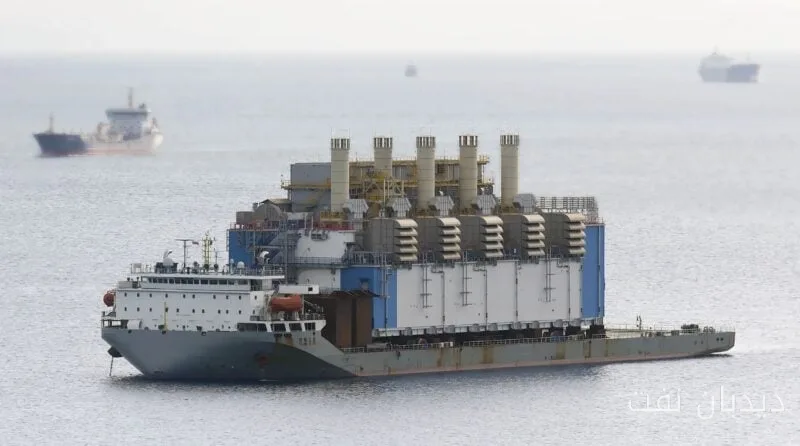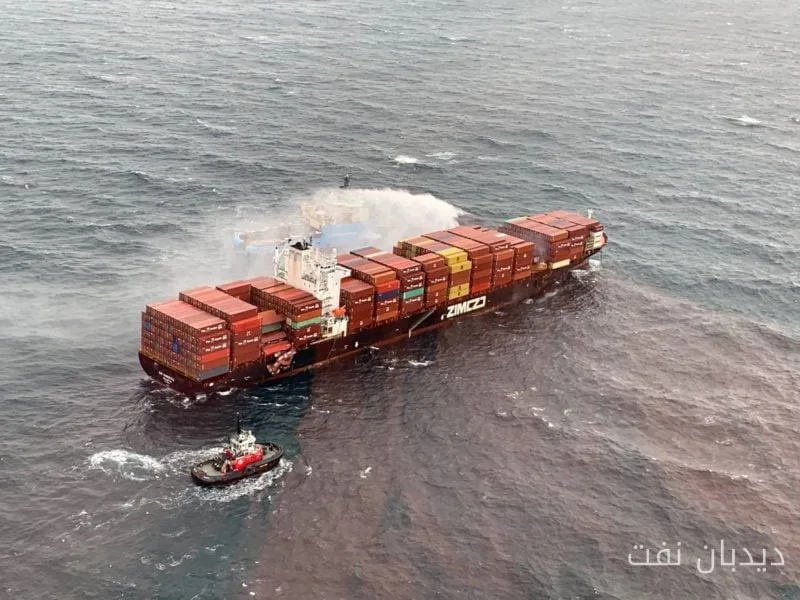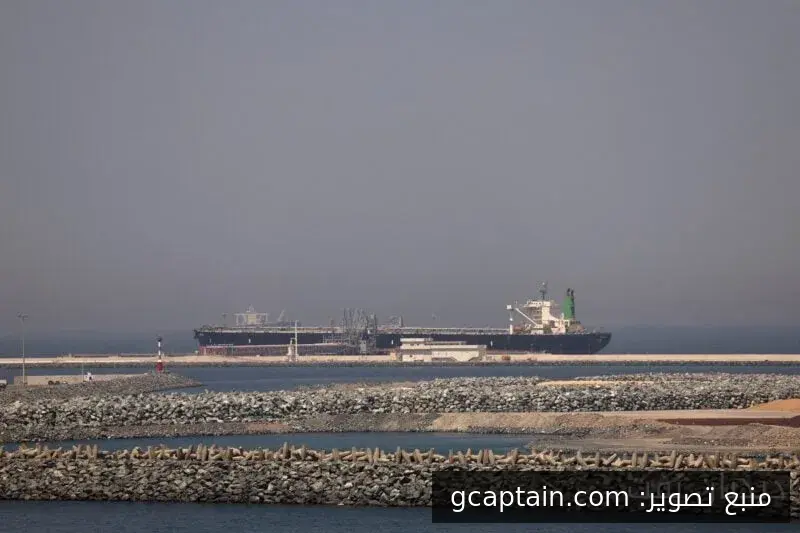
The number of ships passing through the Strait of Hormuz decreased to four on Tuesday, showing a significant reduction compared to the previous day when there were seven ships. This decrease in traffic comes as the 10-day average for the area has been 18 ships.
Impacts of War and Sanctions
The Strait of Hormuz, considered one of the most important maritime passages in the world and home to about 50% of the world's oil and liquefied gas supply, is currently affected by intensified attacks in the region and tensions arising from the war in Iran. In particular, this decrease in ship traffic is due to sanctions and political tensions in the region, creating serious challenges for maritime transportation.
Read more: Continuation of Iran's Agricultural Exports to Neighboring Countries in 1404
Details of Ship Traffic
According to initial data, of the four passing ships, two were exiting and two were entering the Strait of Hormuz. None of the large crude oil carriers or liquefied gas tankers were present in these movements. Additionally, reports indicate that some ships may pass through this route without their transponders being active, and thus are not recorded in the statistics.
Among the passing ships, a large gas carrier named Salute, which was carrying approximately 470,000 barrels of liquefied gas, exited the Iranian route. Also, the tanker Nautilus, which was carrying 510,000 barrels of naphtha, exited through an unidentifiable route. The two ships that entered the Strait of Hormuz were both loaded, one being a dirty products tanker and the other carrying dry cargo, both entering from the Iranian route.
In comparison, ship traffic in the Bab-el-Mandeb Strait reached 22 on Tuesday, showing little change from the previous day (24 ships).
Read more: Gap in Trump's Sanctions; Billions of Dollars of Iran's Money in American Banks · United Nations Warns: Escalating Tensions in Bab-el-Mandeb and the Strait of Hormuz are Increasing