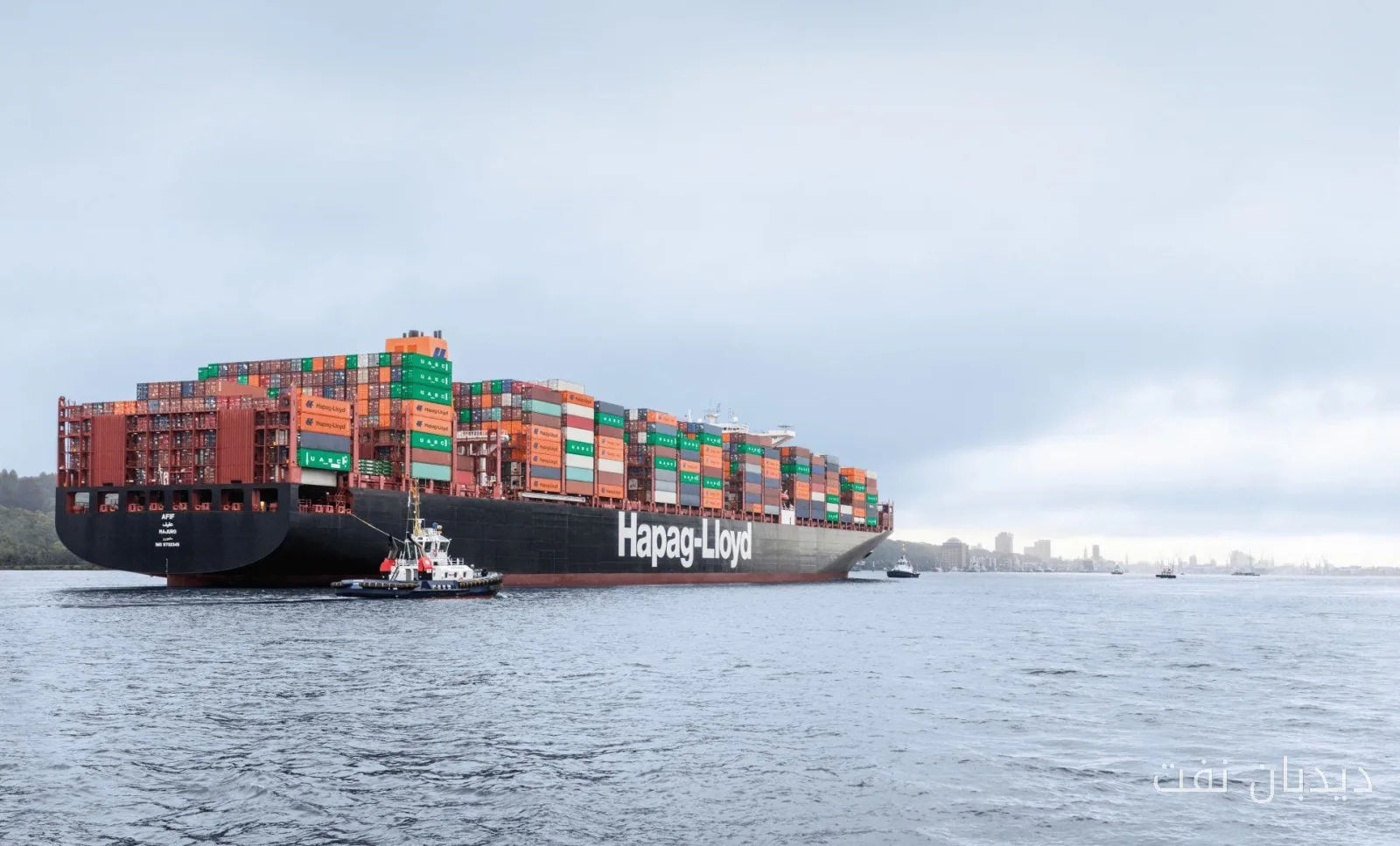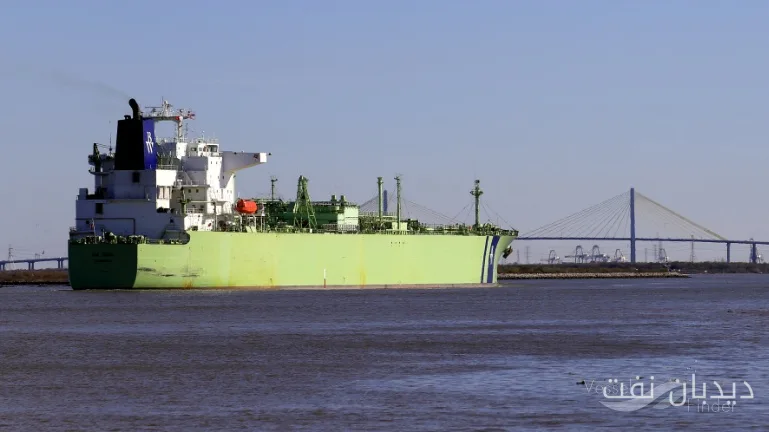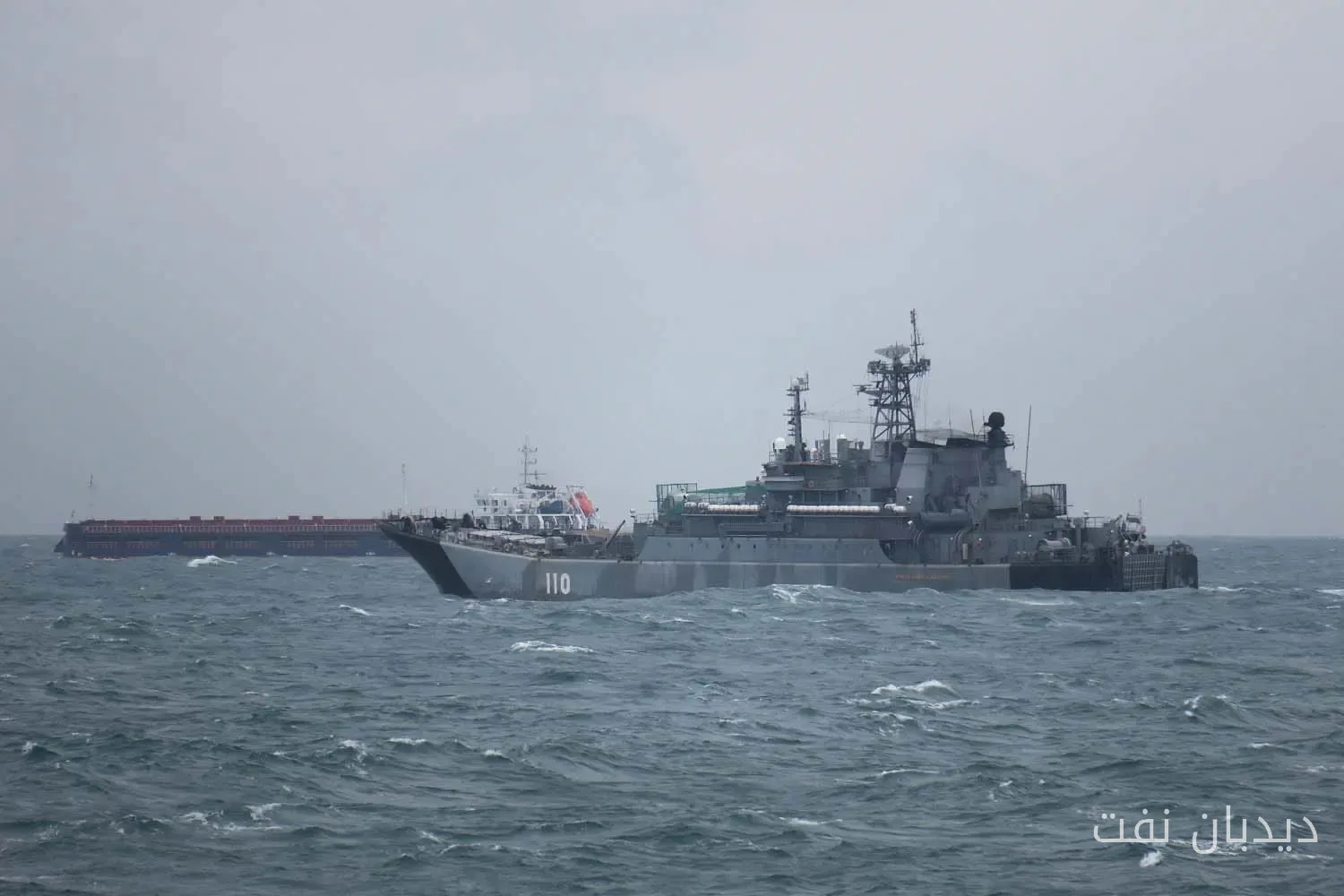
The increase in Russian military activities in British waters in recent months has created significant pressure on the Royal Navy. This pressure is felt in specific areas where the Navy is severely lacking. Russia's underwater operations, including GUGI intelligence submarines and information-gathering vessels like the Vishnya-class ship, as well as the deployment of a permanent ship in the North Sea (currently, the destroyer RFS Neustrashimy), have added to the burden of monitoring the movements of oil tankers and Russian-sanctioned vessels carrying military cargo. These ships primarily help meet the needs of the mercenary forces under the cover of the Russian government in North and West Africa.
Russian Naval Movements and Challenges for the Royal Navy
Russia is clearly concerned about the possibility of interference with its ships in the North Sea. Some of these ships are being sent further north and west away from British waters to avoid territorial waters, while the Russians themselves are struggling to provide adequate naval escorts for vessels transiting the English Channel. The Royal Navy is also forced to use Type 45 destroyers or lightly armed patrol vessels to monitor these movements due to a shortage of suitable destroyers. In fact, the Navy is primarily monitoring these movements through aerial means, using Merlin helicopters and surveillance drones from the Royal Air Force.
Read more: Container ship CONTSHIP JET sank in the Black Sea
Status of the Destroyer Fleet and Its Implications
Meanwhile, two of the remaining Type 23 destroyers appear to be on the verge of being declared unfit for service due to hull corrosion issues, which will create problems for access to destroyers over the next three years. The precarious status of the destroyer fleet not only complicates monitoring of increased Russian activities in internal waters but also jeopardizes the operational capability of nuclear submarines and two Queen Elizabeth-class aircraft carriers to operate with adequate protection.
Despite these challenges, there is also positive news for the Royal Navy. Some Type 45 destroyers are returning to service after performance upgrades, and last week, three Vanguard-class nuclear submarines were at sea, while both aircraft carriers – HMS Queen Elizabeth (R08) in the Atlantic and HMS Prince of Wales (R09) near Gibraltar – were operational.
Read more: Attacks on oil tankers and LNG vessels in the Persian Gulf and Strait of Hormuz have increased · Aker BP and DNO have made the final decision to develop the Lyra oil field in the North Sea