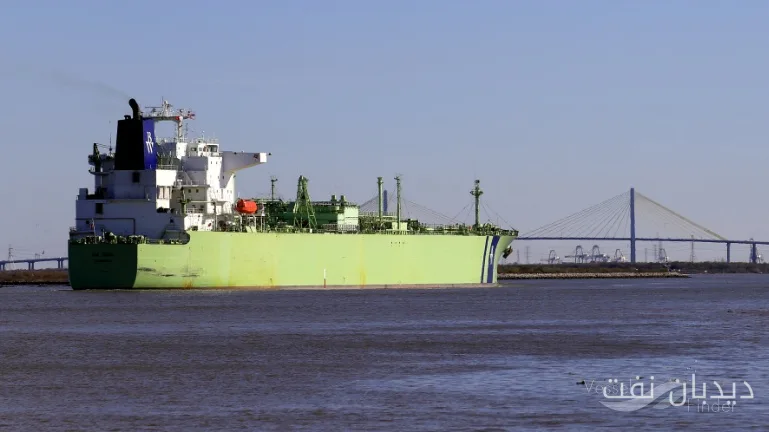
A new report published by Lloyd's Register (LR) shows that global ports are facing serious challenges in supplying alternative fuels for ships. This report examines the current state of fuel supply in ports and its impacts on the maritime transport industry.
Status of Alternative Fuel Ship Orders
At the beginning of 2026, there were 1,942 ships capable of using alternative fuels on order, accounting for 47 percent of the total weight of global orders. New statistics indicate that the number of alternative fuel ships ordered in 2026 has reached 364, which is 57 percent higher than the same period in 2025. LNG fuel remains dominant in this area, with 230 orders registered so far.
Read more: Reza Amiri Moghadam's comments on the status of the Iran-Pakistan borders
Challenges of Fuel Supply in Ports
However, LNG fuel is only available in 222 global ports, methanol fuel is available in only 25 ports, and ammonia fuel is supplied in just one commercial port. This mismatch is particularly evident for emerging fuels. Lloyd's Register has announced that there are 385 ships capable of using methanol and 45 ships capable of using ammonia on order, while the fuel supply network for these types of ships is very limited.
Cameron Ulrich, Senior Vice President of Port Consulting at Lloyd's Register, noted in the introduction to this report that "readiness must be established before the first ship arrives." This is inevitable, as the lack of necessary infrastructure and investment in this area could lead to serious fuel supply issues in the future.
Rapid Development of Fuel Supply Status
The state of fuel supply is rapidly evolving. In April 2023, the Ulsan Port in South Korea conducted the first commercial ammonia fuel supply operation by transferring nearly 600 tons to the Exmar's Antwerpen ship. Additionally, the Zhoushan Port in China recently succeeded in carrying out the first commercial ammonia fuel transfer operation between two ships.
These changes indicate a growing trend in the supply of alternative fuels, but the overall fuel supply network is still in its early stages. The report mentions that 61.8 million tons of low-carbon methanol production capacity has been announced, but only 6 to 12 million tons of this capacity will be operational by the end of 2031.
Economic and Infrastructure Challenges
Economic challenges still exist. The costs of green fuels such as methanol and ammonia are two to three times higher than conventional marine fuels, while cargo owners are only willing to pay an average premium of 3 percent. Furthermore, the necessary infrastructure for providing shore power also requires time and investment, which could harm the ability of ports to meet connection requirements from 2030 onwards.
Overall, this report indicates that ports need targeted planning and investment to keep pace with rapid changes in the maritime transport industry. Ulrich emphasized at the end of the report that "each port does not need to prepare for every fuel simultaneously, but each port should have a plan."
Read more: Collision of MSC cargo ship and Mein Schiff 3 cruise ship at Bremerhaven port · Los Angeles and Long Beach ports identified LNG and methanol as alternative marine fuels