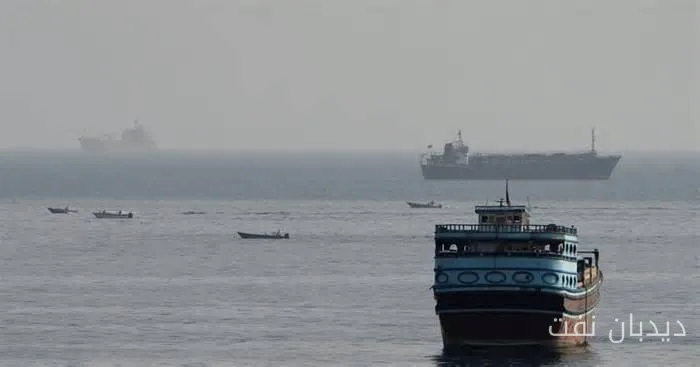
Shipments of Iranian oil tankers have faced a significant decline in recent dates, which may indicate new challenges in the field of Iran's oil exports. In this regard, examining the details of loading and the routes of tankers clearly shows fundamental changes in this industry.
Analysis of Export Routes
Tankers that are usually loaded from Iranian ports have faced serious obstacles due to sanctions. These obstacles include lack of access to traditional markets and increased international scrutiny over Iran's oil export activities. As a result, tanker shipments have been forced to choose new and sometimes risky routes.
Read more: Operation of Maher Persian Gulf Refinery by the end of September
Key Dates and Current Status
Reviewing recent dates shows that in the past few months, the number of tanker shipments leaving Iranian ports has significantly decreased. This reduction is not only due to sanctions but also due to logistical problems and increased transportation costs. Specifically, Iranian tankers with names such as Sinpetro and Almasoudi have experienced such issues.
Additionally, in recent months, new routes for Iran's oil exports have been utilized, including neighboring countries and informal markets. Despite the existing challenges, these routes have been proposed as a temporary solution to bypass sanctions.
The results of these developments could impact global oil prices as well as Iran's domestic economy. Given that oil exports are considered one of the most important sources of revenue for the country, the decrease in tanker shipments is likely to have significant economic and social repercussions.
Read more: Prohibition of refueling more than three times a week in Minab · Saudi Arabia is repairing the East to West oil pipeline