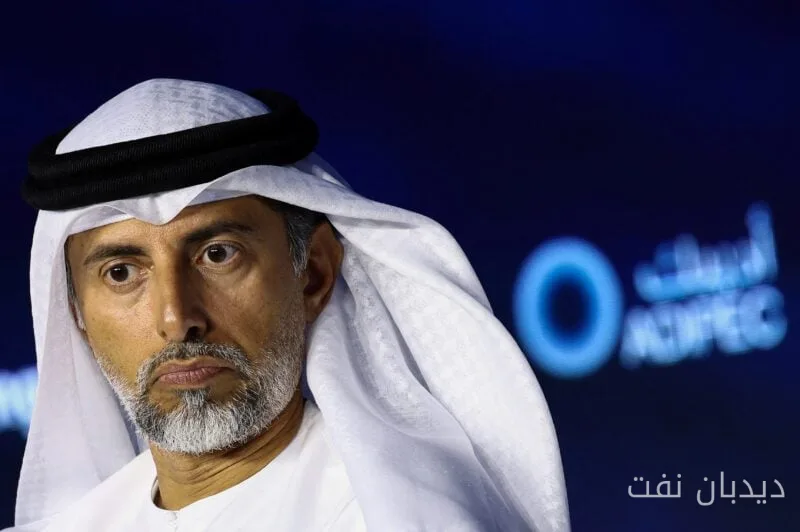
The Minister of Energy and Infrastructure of the United Arab Emirates, Suhail Mohamed Al Mazrouei, announced during the opening ceremony of the Abu Dhabi International Petroleum Exhibition (ADIPEC) held on November 2, 2026, that the UAE is strengthening its energy infrastructure and investing in new export routes and storage capacity abroad. This action is part of the country's planning to better prepare for a potential war between the United States and Israel with Iran.
Development of Energy Infrastructure
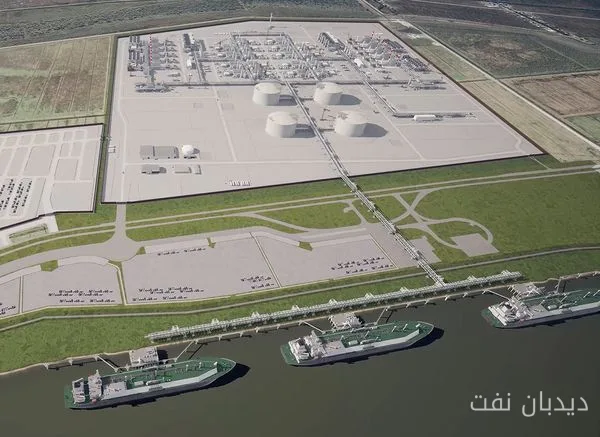
Al Mazrouei mentioned the unpredictability of the war path and added that the United Arab Emirates will be better prepared than in the past. The country traditionally exports crude oil through Fujairah, which is near the Strait of Hormuz, and is currently constructing a new pipeline to Fujairah that will double its crude oil export capacity by next year.
Increasing Export Capacity and Resilience
The UAE's Minister of Energy further explained that many companies will reconsider the design and construction of their facilities for greater resilience after this crisis. He emphasized, "Resilience is a big word and has multiple layers, from the barrel you produce to the destination you take it to." Al Mazrouei also noted, "You need to be closer to your customers." He had previously mentioned at the conference that at times, his country's exports have even exceeded pre-war levels.
Reports indicate that the UAE reached a record high in crude oil and condensate exports last June, following the country's exit from the Organization of the Petroleum Exporting Countries (OPEC).
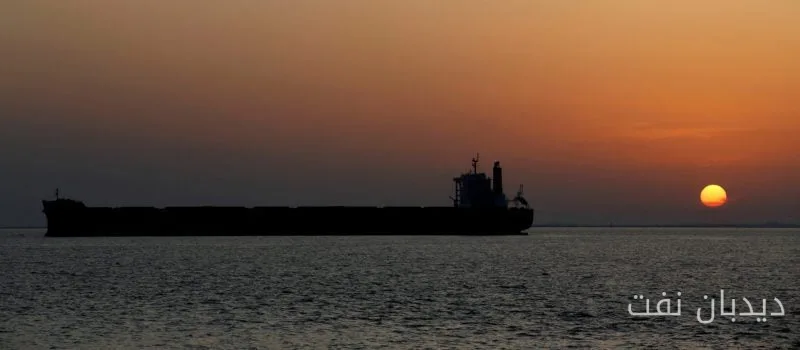
In this context, a tanker passing through the Strait of Hormuz was attacked by a small boat that attached two explosive bombs to its hull, resulting in a fire in the engine room and temporarily rendering the tanker unusable. Additionally, there has been an increase in news exchanges regarding efforts to manipulate tanker rates globally since the onset of the war in Iran.
The Iranian Gulf Maritime Organization announced that it will take legal action against tankers owned by Sinokor, the world's largest tanker owner, which has exported millions of barrels of oil from the Strait of Hormuz in recent weeks. These developments reflect the widespread impacts of the war and existing tensions in the region on the energy industry.