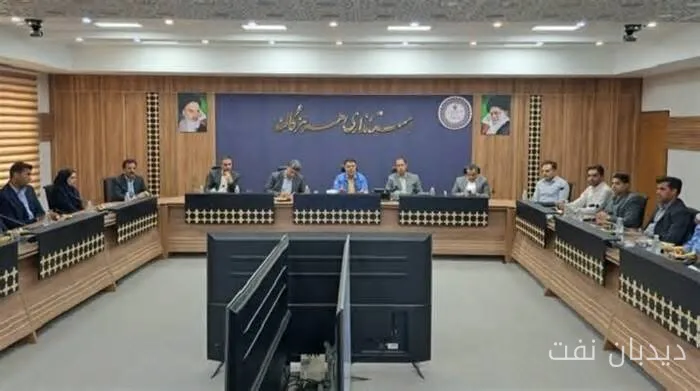
Mehrdad Hassan-Zadeh, the Director General of Crisis Management at the Hormozgan Governorate, emphasized the need for increased preparedness among municipalities and executive agencies to face above-normal rainfall during a crisis management meeting with the mayors of the province. He highlighted the critical role of municipalities in providing services and managing urban affairs during crises, especially in light of the predicted heavy rainfall in significant parts of the country.
The Necessity of a Clear Mechanism in Crisis Management
Hassan-Zadeh, while appreciating the efforts of mayors in managing recent crises, stated: "The Crisis Management Law, which was approved and enacted in 2019, has defined the responsibilities of various agencies in the areas of prevention, risk reduction, preparedness, response, and recovery." He emphasized that all agencies must be prepared to face crises in accordance with their responsibilities.
He also referred to the responsibilities of municipalities in urban crisis management and added: "Municipalities must have a clear structure and appropriate operational mechanism for crisis management so that, at the time of an incident, the responsibilities and duties of units and personnel are precisely defined." Hassan-Zadeh stressed the importance of training staff, evaluating equipment, and identifying hazardous areas, stating that preparedness should not be postponed until the time of an incident.
The Importance of Considering Risk Factors in Urban Development
The Deputy Governor of Hormozgan in the field of crisis management also pointed out the importance of considering risk factors in urban development during this meeting. He said: "In issuing building permits and implementing construction projects, hydrological studies and considerations related to faults must be taken into account to ensure that urban development does not increase damage during incidents."
Hassan-Zadeh also predicted that weather-related hazards, unlike some incidents such as earthquakes, are largely predictable, providing an opportunity to enhance the preparedness of agencies. He referred to crisis management meetings in some counties of the province and stated that this process will continue with specialized meetings with mayors and governors.
The Deputy of Crisis Management at the Hormozgan Governorate also emphasized the responsibility of mayors in crisis management during this meeting, stating: "Municipalities must have a clear operational mechanism for risk reduction and preparedness based on laws and higher-level documents." He also mentioned the identification of high-risk areas and the follow-up until the risk is mitigated, stressing that the development of this mechanism can clarify the responsibilities of personnel in the area of risk reduction.
The Director General of the Urban Affairs and Councils Office at the Hormozgan Governorate also stated in this meeting that municipalities alone cannot cope with all urban crises and emphasized the necessity of utilizing the capacities of executive agencies, industries, and the private sector. He referred to the actions taken in Bandar Abbas for dredging waterways and stated that cooperation among agencies should continue in other cities and counties as well.
The crisis management meeting at the Hormozgan Governorate was held with the aim of guiding and enhancing coordination in the areas of prevention, preparedness, and response to crises, and it was decided that these meetings would continue at the county level with the presence of governors and executive agencies.
Read more: Iran has gained more control over the Strait of Hormuz and Bab-el-Mandeb · The necessity for municipalities to be prepared for crisis management in Hormozgan