U.S. claims about control over the Strait of Hormuz, especially regarding the security of shipping, are in contradiction with the ground realities of this waterway. While Washington claims that it has ensured the security of this region by deploying its fleet and escorting ships, evidence shows that Iran still possesses significant capabilities to control this vital waterway.
Analysis of the Current Situation in the Strait of Hormuz
The Strait of Hormuz is recognized as one of the most important shipping routes in the world, with about 20 percent of global oil passing through it. In recent years, with rising tensions between Iran and the United States, this waterway has become a focal point of global attention. Repeated claims by U.S. officials that Tehran poses a threat to shipping in this region are made while the U.S. fleet has been unable to achieve complete operational control over this waterway.
Read more: Natalia Margioli-Komnino appointed as the first female president of the shipping association
Developments and Security Implications
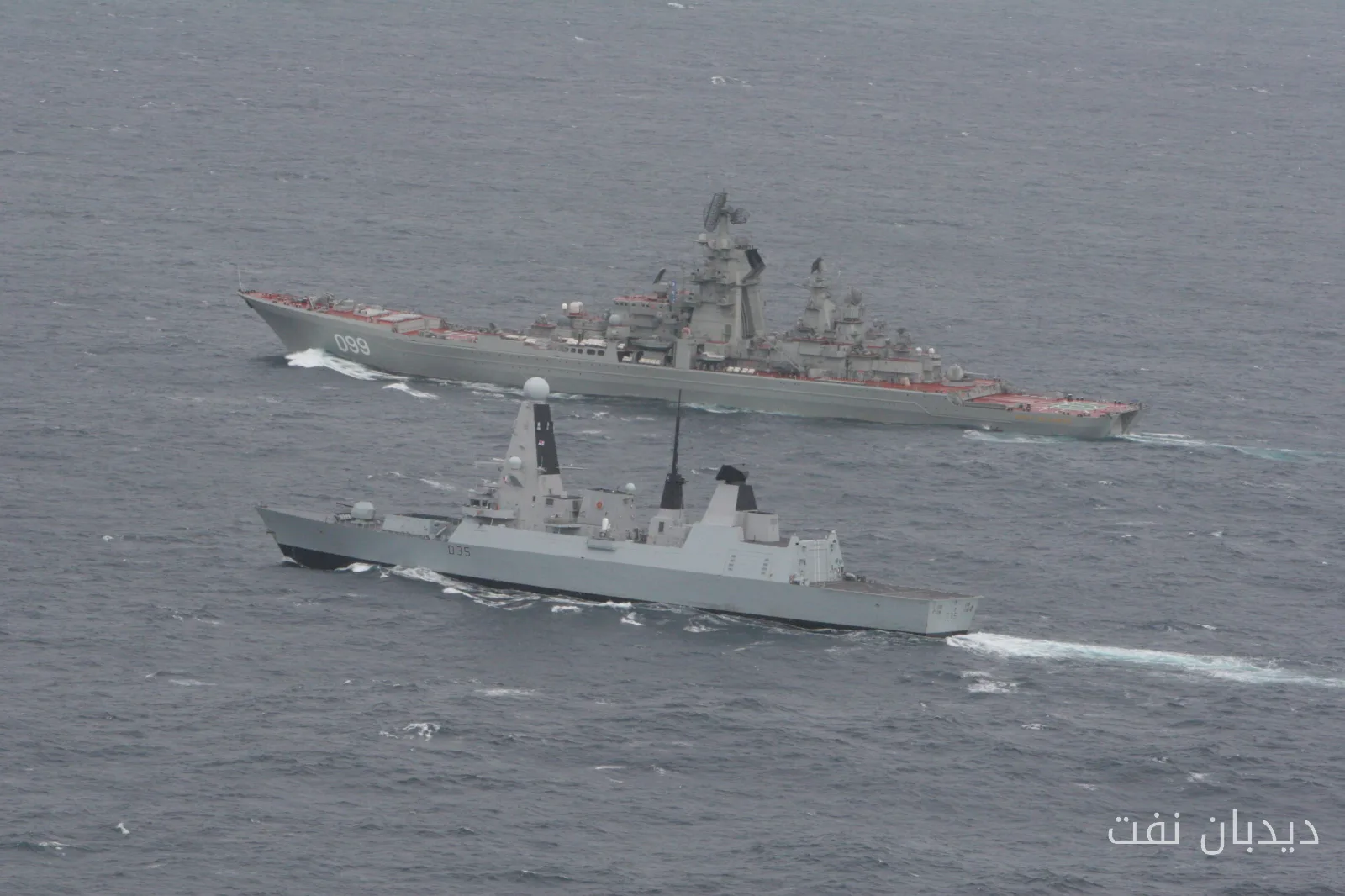
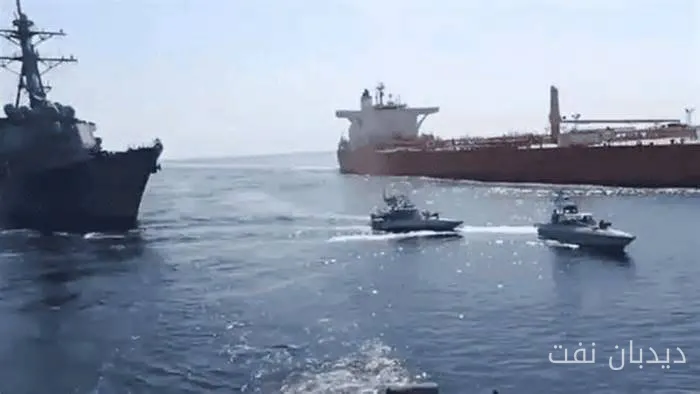
The extensive presence of the U.S. fleet and this country's efforts to escort ships to prevent any Iranian actions indicate the complex security challenges that exist in this region. However, the ground reality shows that Iran, using its military and intelligence capabilities, can still play a key role in this waterway. This situation could lead to increased tensions and heightened risks in the region.
As a result, the contradiction between U.S. claims and the ground realities of the Strait of Hormuz not only reflects political and military challenges but also brings additional economic and security implications. In particular, oil-dependent and shipping countries in this region must be better prepared to face these challenges.
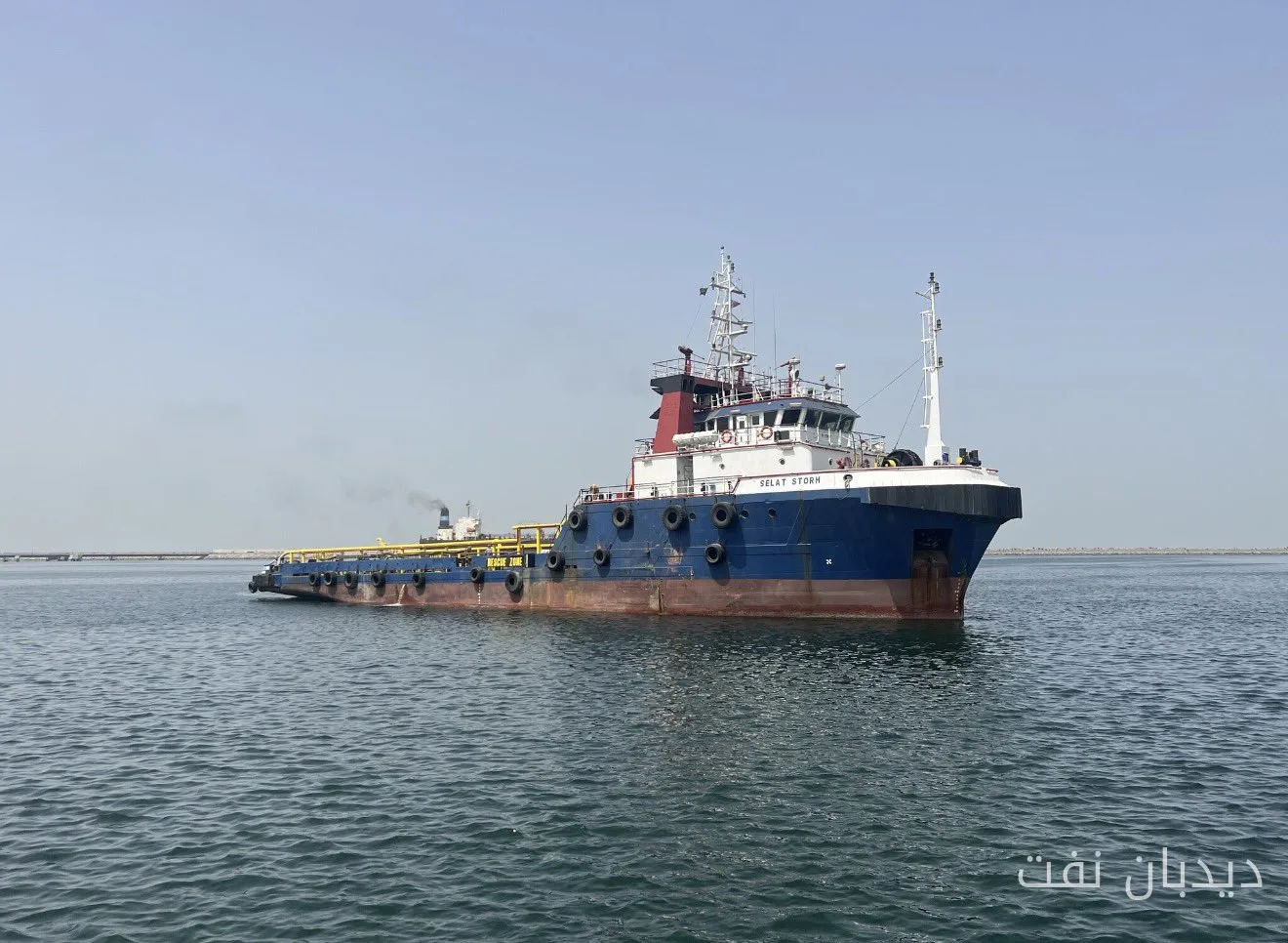
Read more: Emirati tanker Selt Storm attacked in the Strait of Hormuz · U.S. restores oil exports from the Strait of Hormuz to 80% of pre-war levels