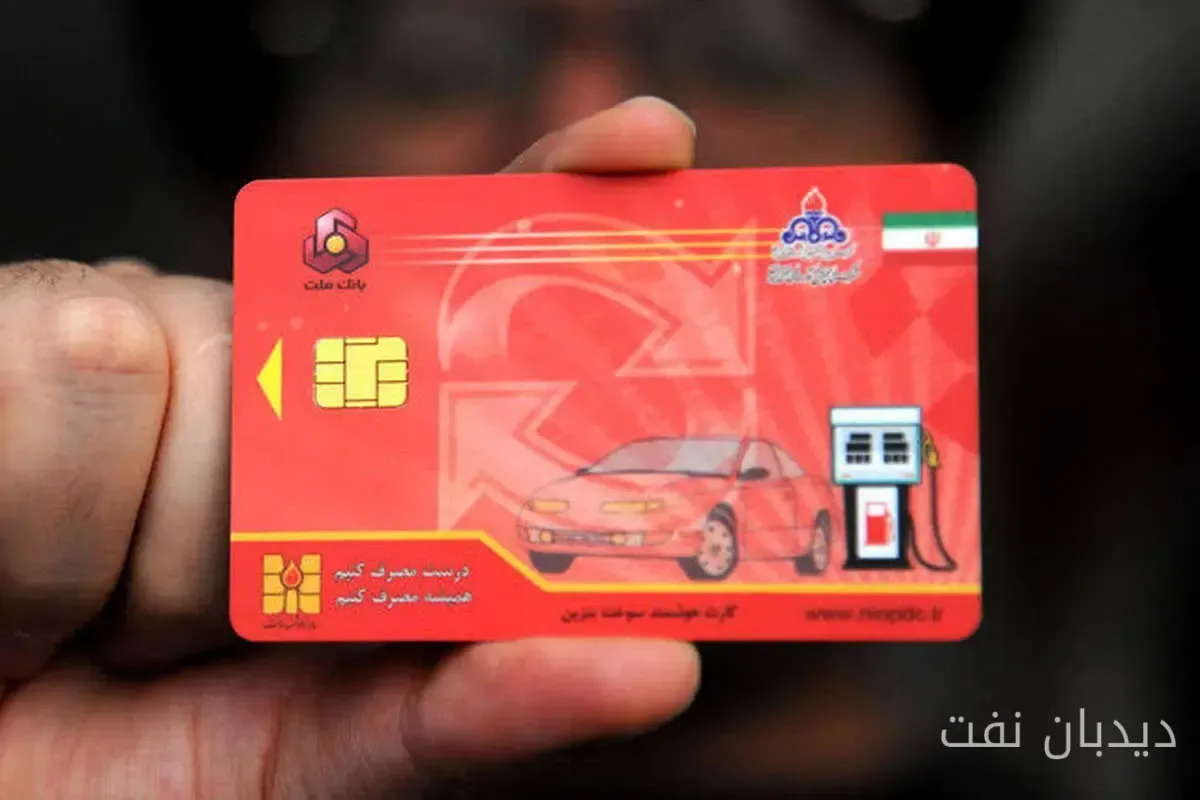
The collection of emergency fuel cards in five provinces, including Khorasan Razavi, Kurdistan, Ardabil, East Azerbaijan, and West Azerbaijan, has imposed serious restrictions on drivers who have exhausted their monthly gasoline quota. This decision follows the addition of 50 liters of gasoline at the third rate (10,000 tomans per liter) to personal fuel cards and could severely limit access to excess fuel for drivers.
New Challenges in Fuel Supply
As fuel restrictions in recent months have led to long lines at gas stations, the collection of emergency cards could complicate the situation further. Under this plan, drivers who consume their monthly quota will no longer be able to use emergency cards at stations and will have to wait for new shipments to refuel.
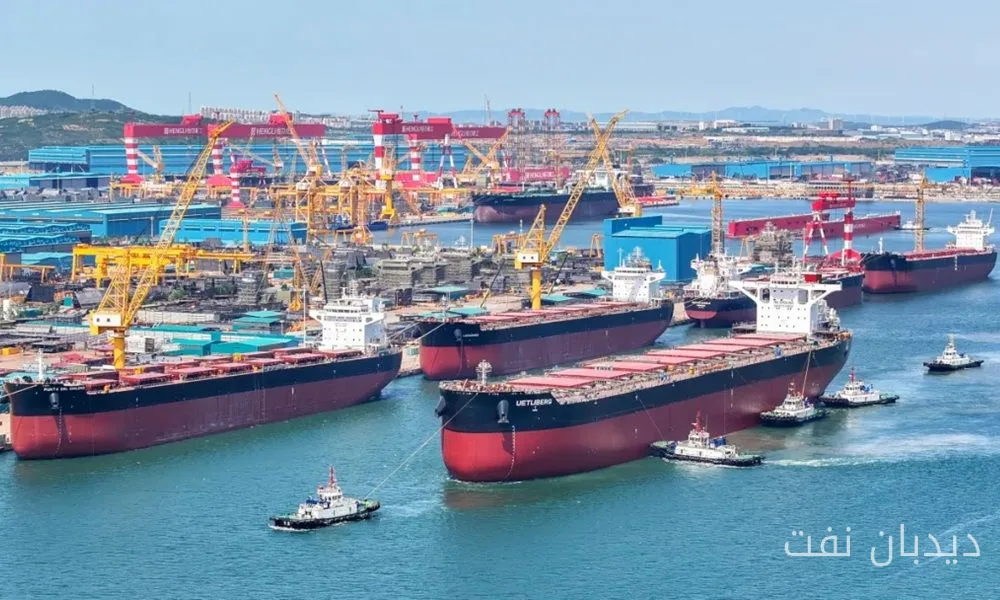
Read more: Seven Yield signed a 5-year lease agreement with a Chinese manufacturer for two working vessels
Changes in the gasoline production and distribution network after the third imposed war have made fuel supply conditions more difficult. Attacks on petrochemical units and disruptions in fuel transfer to stations have all impacted the gasoline shortage and made the current situation more critical.
Responding to Fuel Needs in New Conditions
Currently, in 26 provinces of the country, the main issue remains the lines caused by fuel restrictions and the frequent visits of vehicles to gas stations. However, in the five provinces covered by the new plan, the collection of emergency cards could lead to more problems. Drivers who have exhausted their monthly quota will find themselves in a situation where, even if they are ready to pay the 10,000 toman rate, they have no way to refuel more.
Before the implementation of this plan, drivers could use emergency cards if they needed more gasoline. However, with the collection of these cards, this option will no longer be available, and drivers will be forced to wait longer in lines at stations.
With increasing pressure on the fuel distribution system, the government has taken steps to limit refueling to 25 liters in Tehran and provincial capitals. This comes at a time when the decrease in gasoline production and consumption balance and the country's renewed need for imports brings additional challenges.
Ultimately, despite the addition of 50 liters of gasoline at the third rate, the possibility of purchasing excess gasoline beyond the quota has also been severely restricted. This situation could lead to quota selling among vehicles with excess quotas, especially pickups and taxis.
Read more: Paolo Moratti appointed as CEO of RINA S.p.A. · Sanctions on Iran's oil exports intensified by the U.S. maritime blockade