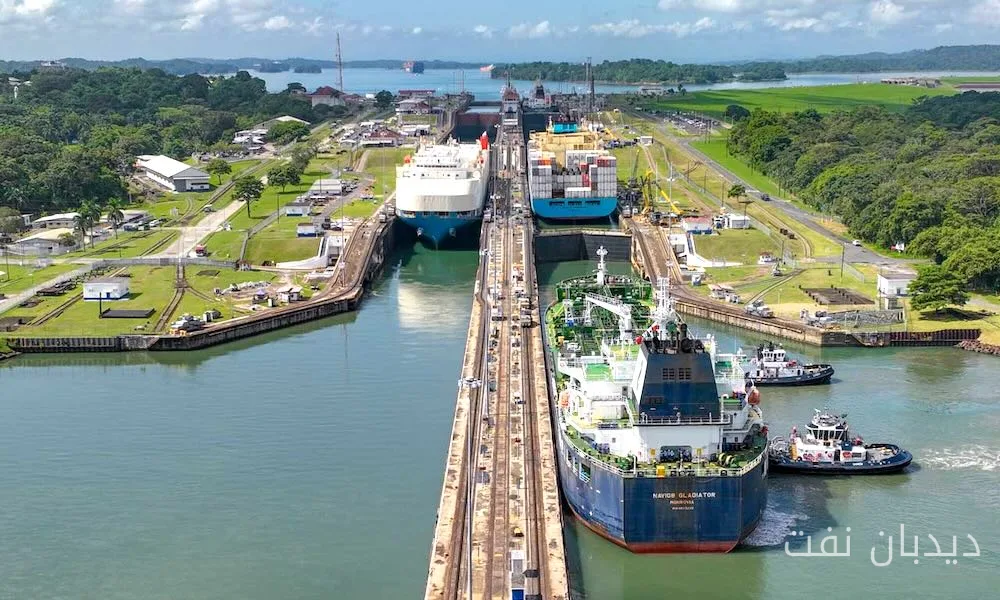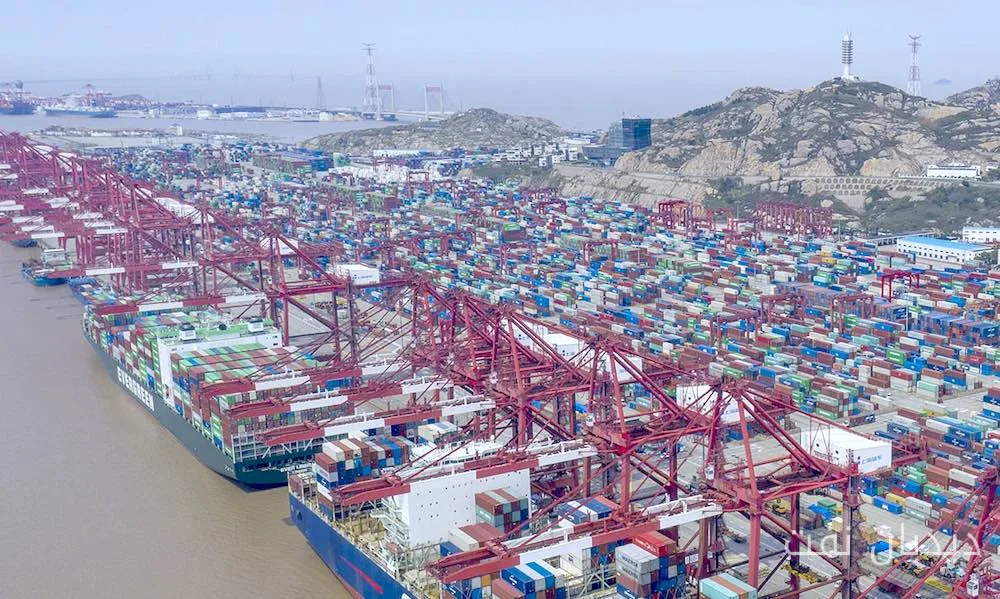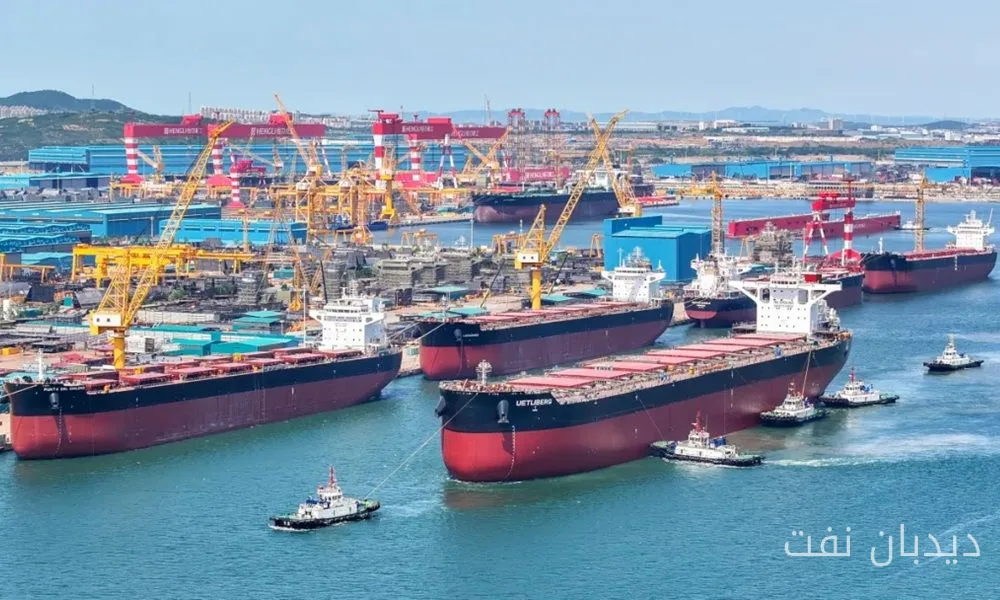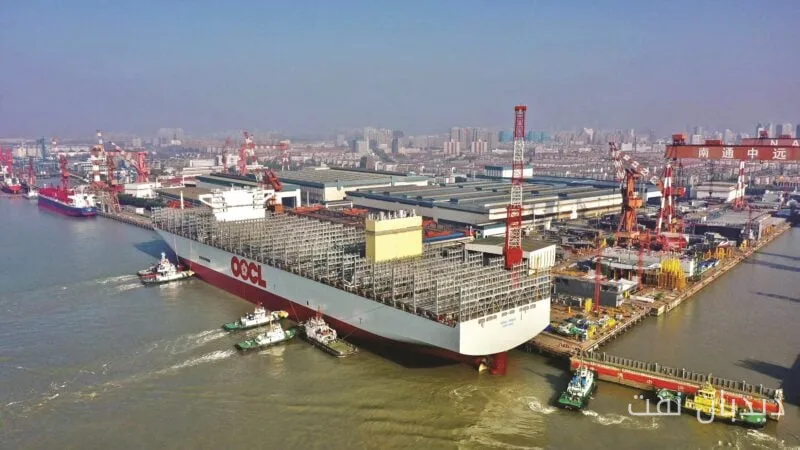
China continues to assert its dominance in the global shipbuilding market by capturing 74% of new shipbuilding orders last year. According to new analyses, the total volume of shipbuilding orders has reached 203.2 million gross tons (CGT) as of September 1, 2026, which is a 13% increase from 180 million CGT last year. Although this volume of orders is slightly below the historical record of 210.4 million CGT set in May, it still surpasses the previous record of 195.4 million CGT in 2008.
China's Dominance in the Shipbuilding Market
Chinese shipyards are among the largest beneficiaries of this surge in orders, accounting for 74% of the total CGT contracted in the past 12 months. Currently, China holds 64% of the total global order volume, a significant lead over South Korea with 19% and Japan with only 6%.
Read more: Mohammad Ali Dehghandahani Presented 10 New Proposals for Export Development
China's dominance is particularly evident in the main commercial transport sectors. Shipyards in this country hold over 72% of the order volume in each of the six main categories of ships, including container ships, oil tankers, gas carriers, bulk carriers, other dry cargo ships, and RoRo ships. Together, these sectors account for 88% of the total global order volume.
Challenges and Opportunities Facing China's Shipbuilding Industry
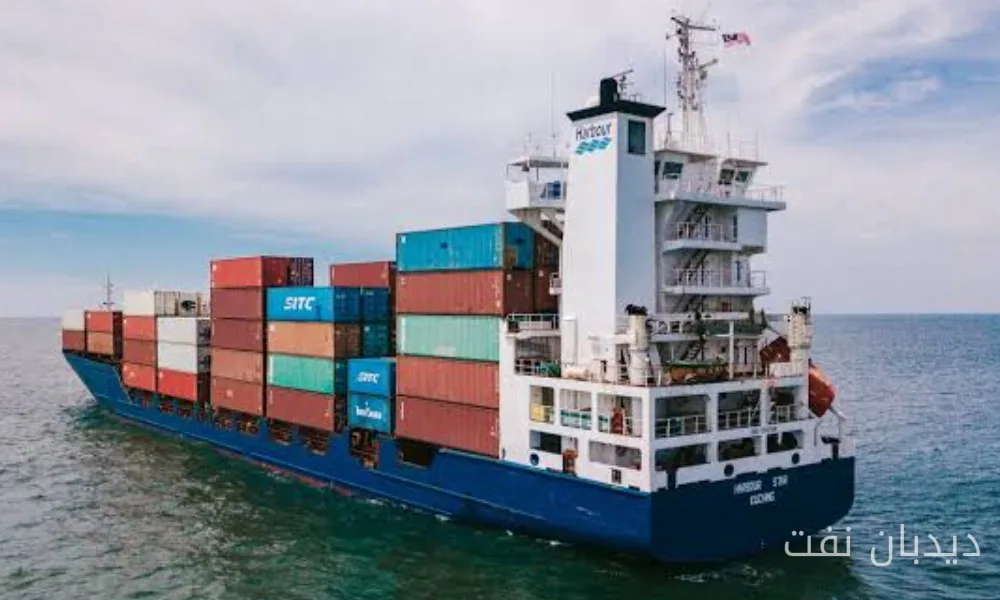
Container ships have driven a significant portion of the industry's growth. According to experts, container ships constitute 30% of the CGT currently on order and 68% of the increase from last year. Chinese shipyards hold 81% of the global order volume in this sector.
However, this massive volume of orders is facing challenges for shipyards, particularly in China. Planning indicates that deliveries will significantly exceed recent production. Based on the highest annual production of each country between 2021 and 2025, Chinese shipyards will be busy for an average of 4.2 years, compared to 1.9 years for South Korean shipyards and 1.7 years for Japanese shipyards.
These challenges arise from the high volume of ships scheduled for delivery. The total production of China, South Korea, and Japan in 2025 will reach 40.1 million CGT, while scheduled deliveries will increase to 55.9 million CGT in 2027 and 60 million CGT in 2028. China has the largest increase in this regard, with its shipyards expected to deliver a record 44 million CGT in 2028, nearly double the 22.7 million CGT delivered in 2025.
Estimates indicate that to meet these commitments, production capacity must be significantly increased. If capacities are measured based on the highest annual production between 2021 and 2030, China's order coverage will decrease to 2.1 years, while for South Korea and Japan, it will be 1.6 years. These figures point to a negative aspect regarding the rapid expansion of Chinese shipbuilding. While the shipyards in this country currently benefit from a massive volume of orders, the necessary investments to meet delivery commitments could leave the industry with excess capacity if demand for new ships decreases.
Experts say that while China has strengthened its position as the leading country in global shipbuilding, its shipyards must elevate annual production to new record levels to fulfill their commitments. This increase in capacity to achieve this goal could pose the risk of ineffective capacity utilization if contracts decline.
Read more: Asghar Jahangir: Need to Redesign Energy Consumption in Cultural Centers · Delivery of Wärtsilä Engines for Two New Pumping Ships in Brazil