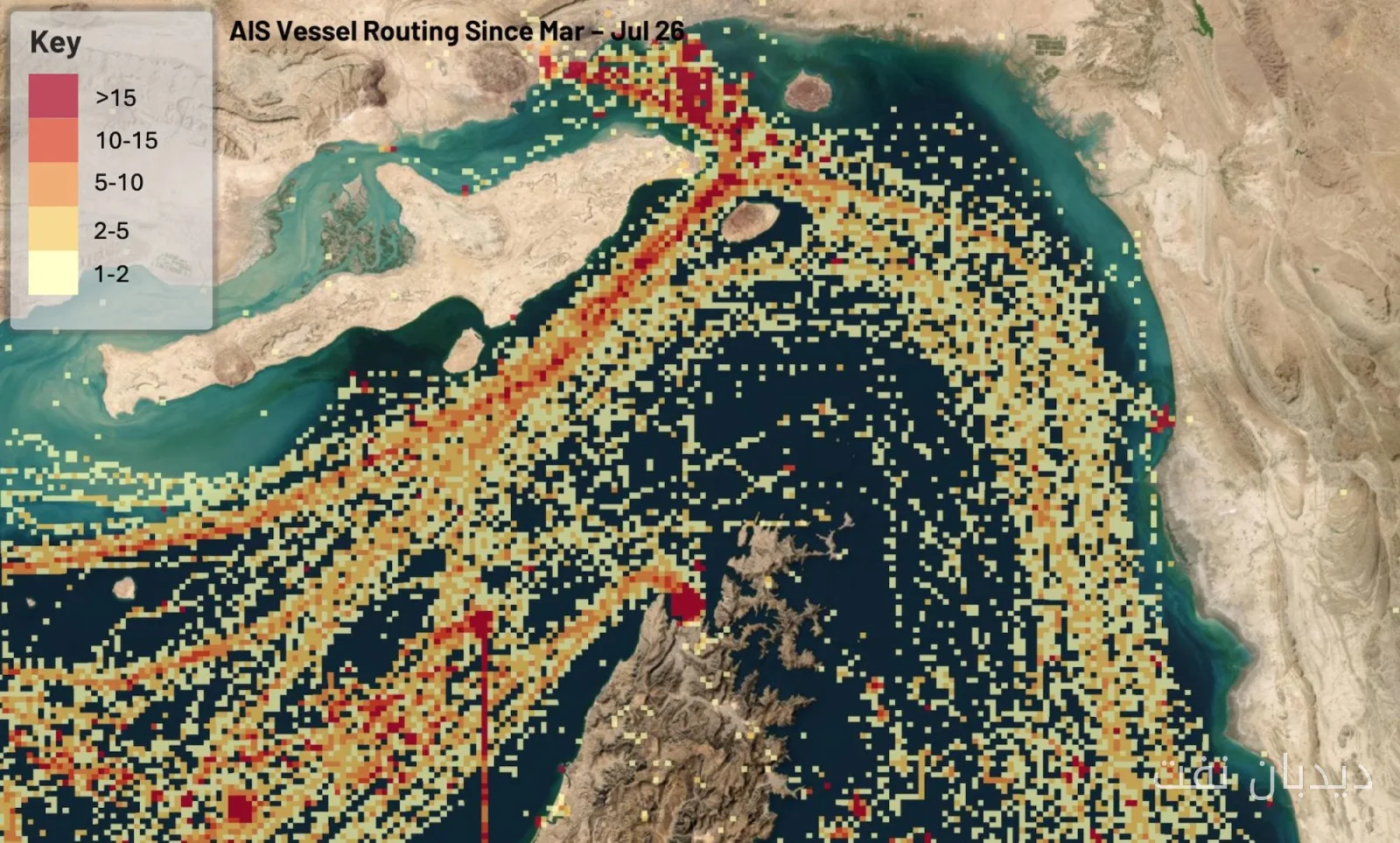
The increase in tanker traffic in the Strait of Hormuz in September 2026 indicates strategic changes in the oil market due to sanctions and regional conflicts. While this increase seemingly demonstrates Iran's ability to disrupt oil flows, the reality is more complex, and the oil market is increasingly accustomed to operating under conditions of insecurity.
Impact of Sanctions on Tanker Traffic
Tanker traffic from the Strait of Hormuz has significantly increased in September. According to experts, this increase may be due to the market adapting to new conditions arising from regional wars. These changes indicate that oil market participants are seeking new ways to continue their activities instead of refraining from transportation.
Read more: TDI-Brooks Launches Maritime Monitoring Program in Timor-Leste
Upcoming challenges, including transportation through challenging points such as Cape Horn and the Cape of Good Hope, could lead to increased costs and operational complexities. This trend shows that market participants are accepting greater risks to maintain the flow of trade.
New Strategies in the Oil Market
In terms of oil supply, Indian refineries have begun hiring tankers to pass through the Strait of Hormuz to receive crude oil from the Persian Gulf. This comes especially after months of reliance on ship-to-ship transfers outside of Hormuz. This change represents a new strategy for navigating tight and busy commercial points.
At the same time, the growth of the Russian tanker fleet is also considered a significant change in the market. With an increase in the registration of ships under the Russian flag, the country is attempting to take advantage of new opportunities arising from the need for cheaper oil. According to available data, the registration of ships under the Russian flag has increased by 38.2%, clearly indicating the growth in demand for oil in the global market.
Ultimately, given the sanctions and existing barriers, market participants appear to be increasingly accepting operational complexities and higher costs. This situation could lead to a reduction in commercial activities in the short term, especially as geopolitical crises intertwine.
Overall, the current state of the oil market reflects a fundamental shift in how participants in this field operate, especially in the face of new challenges and sanctions.
Read more: Iranian Empty Tankers Stranded Near Sri Lanka · Regarding the Return of Premier Alliance Maritime Services to the Suez Canal



