U.S. military forces are preparing for a possible renewed conflict with Iran following the midterm elections. American diplomats have warned Gulf Cooperation Council (GCC) countries to brace themselves for a new wave of military attacks with high operations.
Military Preparedness and Risks of Conflict
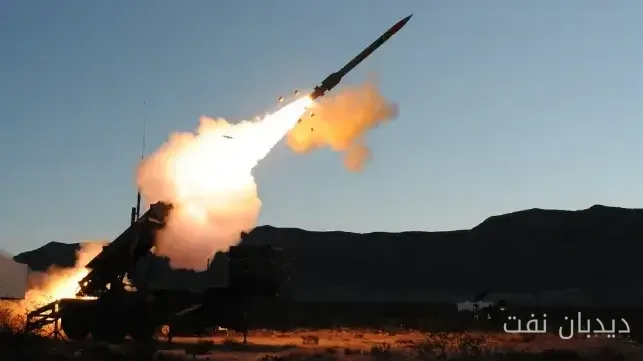
U.S. military attacks are typically met with retaliatory responses from Iran, which include missile and drone strikes from Iran and its regional proxies. Therefore, military preparation also means reducing the risk of casualties. On Wednesday, Israeli media reported that the Pentagon is transferring a Patriot air defense battery from Texas to Israel to protect the country from Iranian missiles. Additionally, a report from The Washington Post indicates that the U.S. Army and Navy have used more air defense resources this year than the Israeli Defense Forces to defend the airspace of this country from missiles, leading to a global shortage of THAAD and SM air defense munitions.
Read more: NTSB Recommends Revising the Design of Unmanned Tankers SeaTrac SP-48 to Enhance Navigation Safety
Reduction of Non-Essential Personnel and Iranian Threats
The U.S. State Department and the Pentagon are also reducing the number of non-essential personnel to mitigate risks. Earlier this month, the State Department ordered the departure of more government staff and their families from Saudi Arabia. This action was taken due to the increase in missile attacks by the Houthis on Saudi Arabia. Reports have also emerged about the reduction of personnel at embassies and military bases across the Gulf region, reflecting lessons learned from the first phase of conflict earlier this year. At that time, Iranian attacks caused extensive damage to host base infrastructures and resulted in multiple casualties.
U.S. intelligence officials believe that Iran has "advanced" plans to attack American citizens in the Gulf region and possibly even in Europe. The threat level is currently assessed to be at its highest since the onset of the war in February. Officials have not specified whether Iran's planned attacks would be preemptive or activated in response to American attacks.
Amid these reports of a possible renewal of widespread conflict, diplomats from the Gulf Cooperation Council countries and others are working to reach an agreement with Iran that would be acceptable to the White House. This week, diplomats from Turkey, Pakistan, Qatar, and Saudi Arabia met with senior Iranian officials in Tehran to prevent military confrontation and reduce the likelihood of Iranian retaliatory attacks on GCC energy infrastructure.
Reports indicate that negotiations have focused on convincing Iran to expedite concessions related to nuclear program inspections and to end its anti-shipping campaign in the Strait of Hormuz. However, these proposals appear to have been unsuccessful, and Iran continues to maintain its previous position. China has also announced that it will soon send a diplomatic representative to the Middle East to "strengthen communication with relevant parties and help facilitate tensions."
Read more: Collision of the Cruise Ship Mein Schiff 3 with the Container Ship MSC Victorine in Bremerhaven · Finalizing the Gas Trade Agreement between Iran and Russia in Moscow