The National Transportation Safety Board (NTSB) has proposed changes to the marking and operation of unmanned vessels following an investigation into the collision of an unmanned tanker on August 10, 2024, to enhance navigation safety.
Details of the Collision
In this incident, a 16-foot research vessel named SeaTrac SP-48, operated by the NOAA research center, was conducting operations on Lake Erie approximately five nautical miles from Monroe, Michigan. The vessel was under the remote control of a pilot who was working from his personal residence. At the time of the incident, the navigation cameras and video recording features of the vessel were turned off and in "hold" mode. The area where the vessel was operating was a route for larger recreational boats and experienced regular traffic.
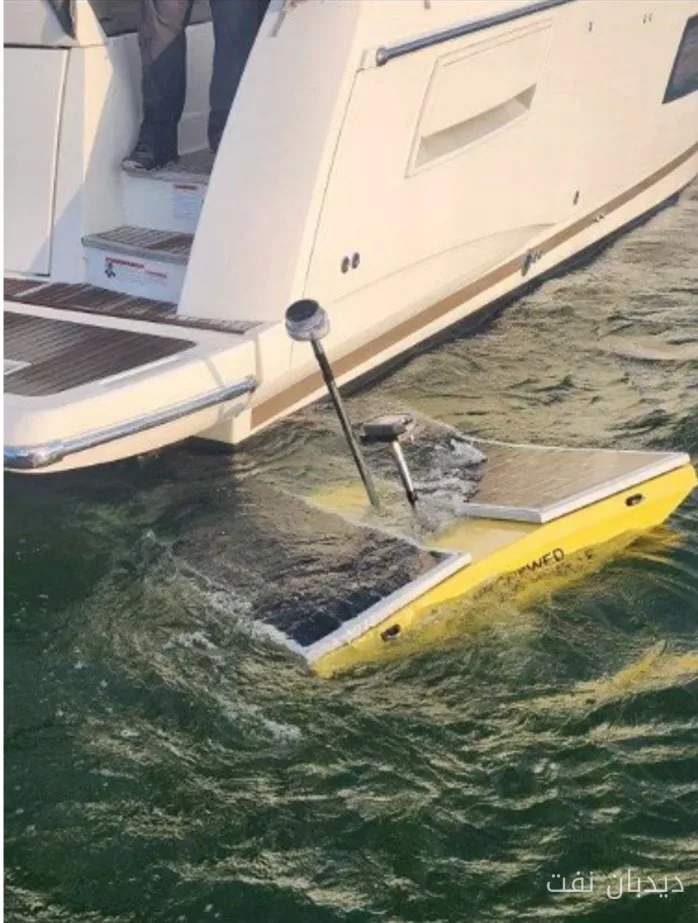
At approximately 7:12 PM, a 45-foot recreational boat traveling at 20 knots approached the USV and collided with it. This collision caused the boat to lean to one side and threw the operator onto the deck. As a result of the impact, the USV was severely damaged, and the boat operator sustained minor injuries. The damage cost to the recreational boat was estimated at about $100,000 and to the SP-48 vessel at approximately $186,000.
Analysis and Recommendations
The NTSB found in its investigation that the recreational boat was operating without activating AIS, radar, or chart reading systems, which would have made it compliant with regulations regarding its size. Additionally, the boat operator had six decades of maritime experience and had undergone several maritime safety training sessions. The NTSB concluded that the AIS system could have shown the position and movements of the SeaTrac USV to the boat operator, but due to the fiberglass structure of the USV, the likelihood of it being easily visible on radar was low.
The NTSB also stated that the SeaTrac USV was only one foot above the water's surface in three-foot wave conditions. An hour before sunset and at cruising speed, the operator of the 45-foot boat had limited chances of identifying the USV. The NTSB concluded that the recreational boat operator was unable to easily identify the NOAA USV and therefore could not take appropriate action to avoid the collision.
The NTSB recommended that SeaTrac modify the design of the SP-48 to enhance its visibility. Furthermore, the agency concluded that the NOAA operator did not adequately assess the navigation hazards posed by the USV's operations in the existing traffic in the area and emphasized that the USV was not properly monitored while in "hold" mode, thus becoming a navigation hazard.
Finally, the NTSB suggested that the United States Coast Guard develop and implement a national framework for visibility standards, collision avoidance capabilities, and navigation safety for unmanned surface vessels.