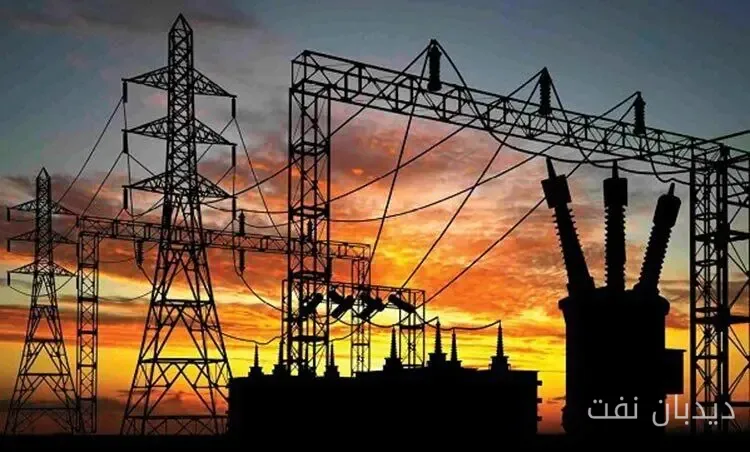
The energy imbalance in Iran, due to significant energy resource production, faces even greater challenges. The rapid growth of domestic consumption, especially in the residential and industrial sectors, has led to a decrease in energy export capacity and an increase in resource wastage. This situation not only harms the country's economy but also puts pressure on the environment.
Overview of the Energy Situation in Iran
Iran holds a special rank in the global energy market with its vast oil and natural gas reserves. However, the country's energy system faces challenges such as low efficiency and high wastage. The energy consumption intensity in Iran is higher than the global average, with 80 percent of the country's energy consumption concentrated in the residential, industrial, and transportation sectors. These sectors operate with outdated technologies and low efficiency, which in turn leads to energy wastage and imbalance.
Read more: The Grease Roma Victor tanker has run aground off the coast of Turkey after the Ukrainian attack
Imbalance in Production and Consumption
The energy production system in Iran faces serious challenges. Aging and inefficient infrastructure, low power plant efficiency, and energy wastage during transmission and distribution are all major factors contributing to the imbalance. Leaks in outdated gas networks and non-targeted consumption also exacerbate this imbalance. For example, in recent years, domestic energy consumption, especially during the cold seasons, has sharply increased, putting significant pressure on energy production resources.
Imbalance in Subsidies and Pricing
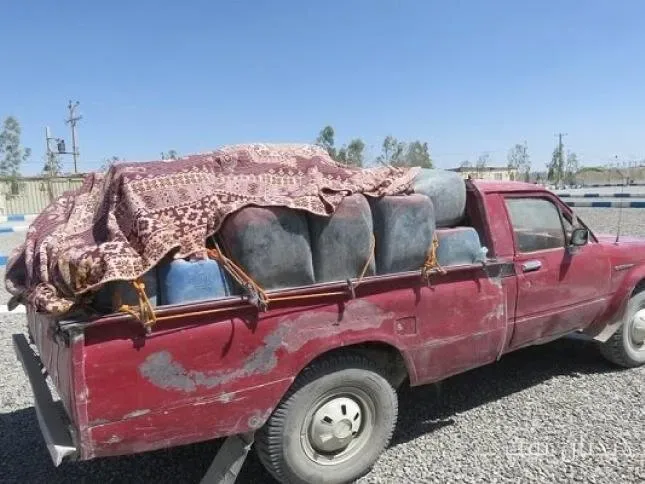
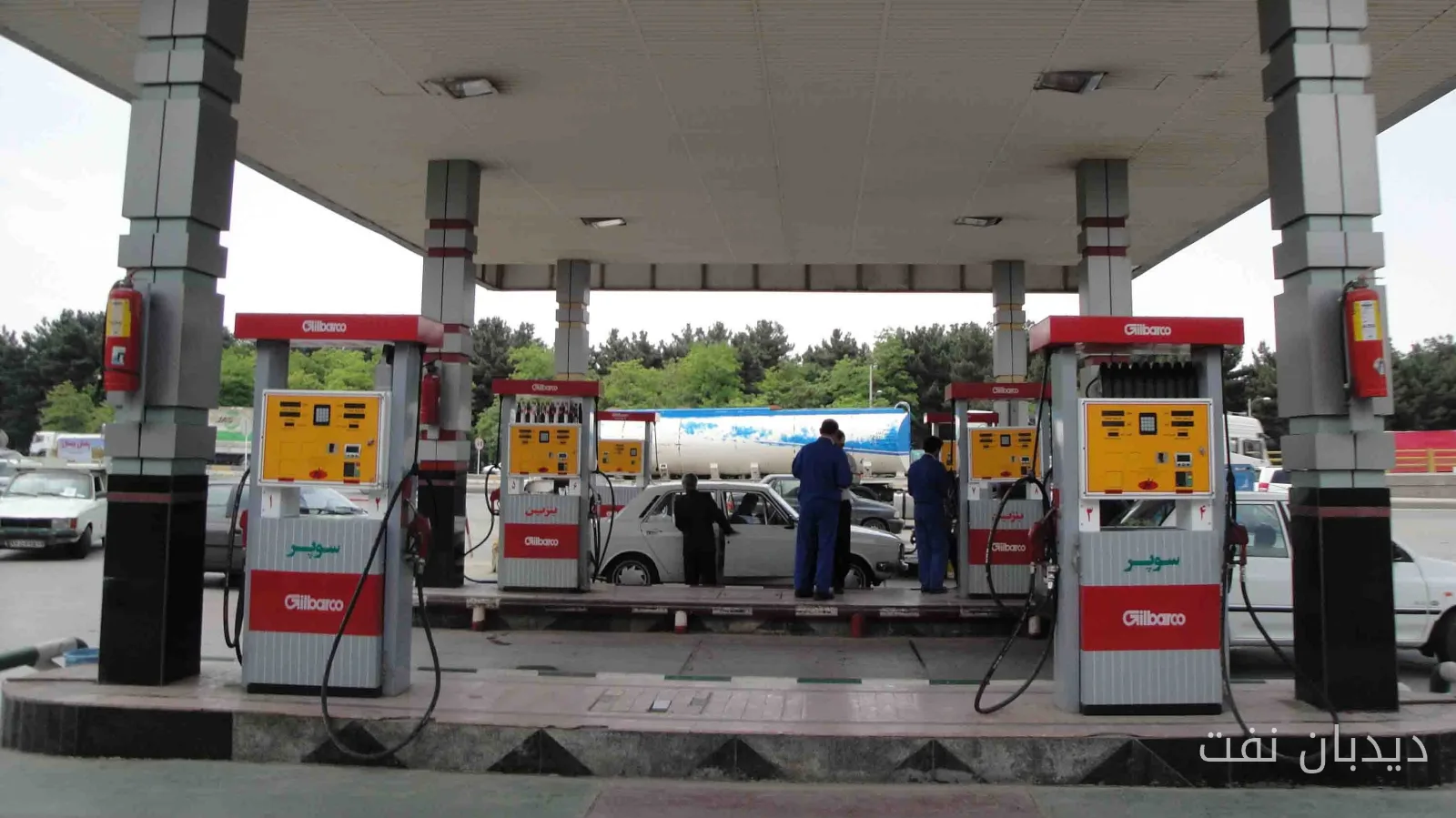
Subsidy policies in Iran have significantly impacted the energy pricing system. Heavy subsidies have artificially kept energy carrier prices low, which in turn leads to increased consumption and resource wastage. The gap between domestic and international energy prices has created a breeding ground for fuel smuggling and economic inefficiency. This situation also challenges social justice, as high-consuming households benefit more from subsidies.
Environmental Consequences of Energy Imbalance
The energy imbalance in Iran has not only economic but also environmental consequences. High fossil fuel consumption and energy wastage lead to widespread pollutant emissions. Air pollution in megacities like Tehran and Ahvaz has become a serious problem due to inefficient energy consumption and the use of heavy fuels. Additionally, uncontrolled use of water resources in power plants puts further pressure on the environment.
Imbalance in Energy Policy and Governance
One of the root causes of energy imbalance in Iran is the weakness in policy-making and governance in this area. In the past, the lack of a long-term vision and institutional coordination has led to instability and inefficiency in implementation. The absence of evidence-based policies and expert analyses has influenced major decisions, prioritizing short-term considerations. This has contributed to deeper imbalances and more complex challenges within the country's energy system.
Ultimately, to structurally reform Iran's energy system, there is a need to design corrective policies and national strategies to achieve balance and sustainability in the country's energy system. These measures can help reduce imbalances, improve efficiency, and preserve the environment.
Read more: Discovery of 169,000 liters of smuggled fuel in Sistan and Baluchestan · Increase in Iran's gas exports to Turkey in August 2023