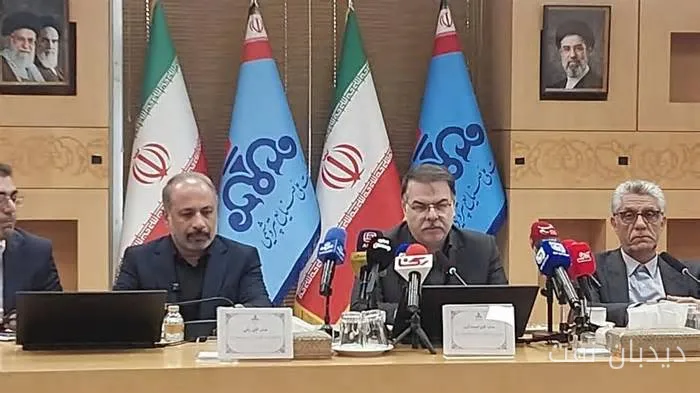
Omid Shakri, Deputy Minister of Oil and CEO of the National Petrochemical Company, announced in his first news program with the media that energy consumption intensity in Iran has increased by 40% over the past decade. Shakri pointed out the necessity of reforming energy consumption patterns, stating that policies to reduce energy consumption intensity have been developed and presented to the Islamic Consultative Assembly to decrease energy consumption intensity in the country.
Failure to Reduce Energy Consumption Intensity
Shakri emphasized that an examination of statistics in the year 1402 shows that not only has energy intensity not halved, but it has also increased by about 40%. This indicates a failure in implementing policies to reduce energy intensity, which must be pursued with greater seriousness.
Read more: U.S. Government: Over 20 million barrels of oil have passed through the Strait of Hormuz
He also mentioned the country's lag in energy consumption reform, stating that the movement that began two years ago for energy optimization must continue with greater seriousness.
The Role of the Petrochemical Industry in Energy Optimization
Shakri added: "When we talk about reducing energy intensity, we do not merely mean reducing energy consumption. Energy intensity is derived from the ratio of energy consumption to gross domestic product; therefore, in addition to optimization, increasing economic production can also help reduce energy intensity."
The petrochemical industry was introduced as one of the key sectors in this regard, which can play an important role in providing foreign exchange revenues and industrial production. Shakri warned that the increase in energy consumption in the residential and commercial sectors during the cold season has led to restrictions on industries, including petrochemicals, and consequently reduced gross domestic product.
Shakri also highlighted the importance of public participation in the national energy consumption optimization campaign, stating: "Public participation can lead to the release of surplus energy in non-productive sectors and its allocation to productive economic sectors."
According to him, the petrochemical industry, with over 75% compliance of its energy consumption with standards, is still seeking further optimization, and recent reports indicate savings of about 1.8 billion cubic meters of gas in energy optimization projects over the past four years.
Shakri further referred to the development of renewable energies in the petrochemical industry, stating: "We have about 680 megawatts of solar power plants under construction, of which 200 megawatts will be operational this year."
He also mentioned the damages inflicted on the energy industry due to the recent war and stated: "This year is a tough year, and we must address energy consumption optimization projects with greater seriousness so that existing resources can be allocated better."
In conclusion, Shakri invited the public to participate in the national energy optimization campaign, emphasizing the importance of this issue and stating: "Serving the homeland means participating in energy optimization," and this is an honor that can be bestowed upon all those who contribute to this movement.
Read more: Continued Oil Exports from Iran Despite Sanctions and Trump's Statements · Total Energies and AMNI Confirm Gas Project Ima in Nigeria



