The World Bank has predicted that the Middle Eastern economy will shrink by 2.1% in 2026 due to the war in Iran. In its latest report, the economic institution has considered various factors in this prediction. It is expected that the economy of the United Arab Emirates will shrink by 1.6%, and Qatar will experience its worst economic performance in the last five decades.
Revised Economic Growth Forecast
The World Bank announced in a report published on Tuesday that the total gross domestic product (GDP) of the region will shrink by 2.1% this year. This revision is the latest instance of the World Bank's downward forecasts for this region. Tensions related to Iran continue to exacerbate energy supply constraints, directly impacting the economies of the region.
Read more: COSCO Faces $16.7 Million Fine for Payment Delay
Impact of War on Oil-Exporting Countries
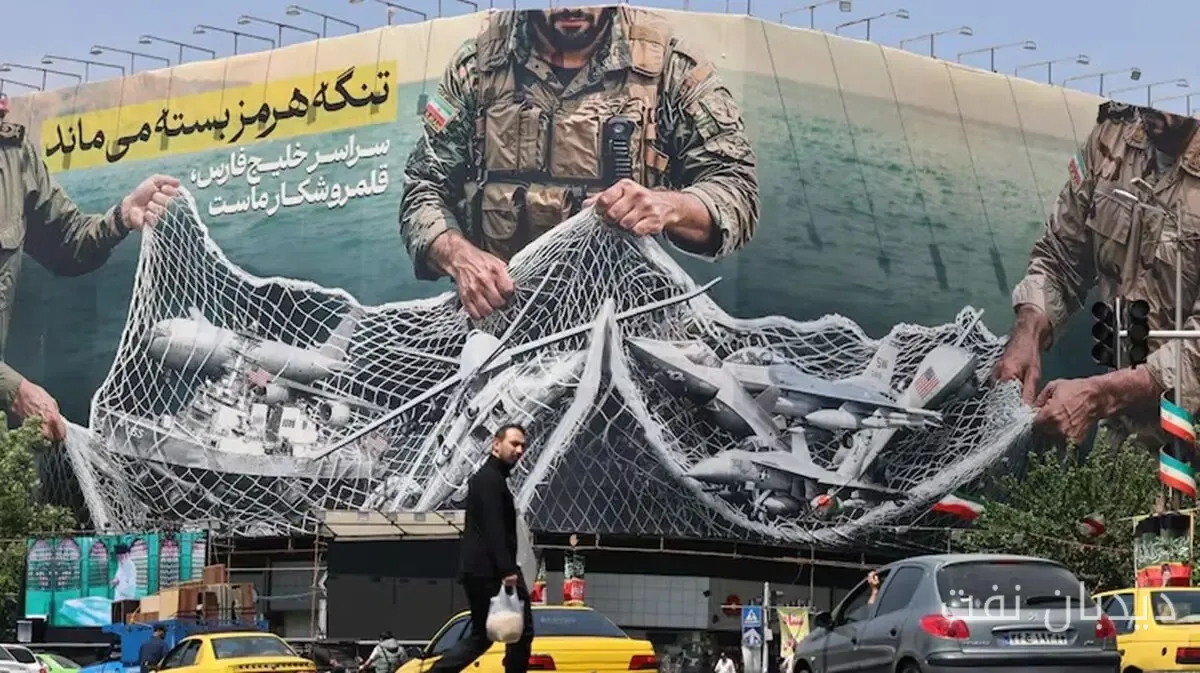
In particular, the closure of the Strait of Hormuz due to conflicts has had significant negative effects on oil-exporting countries. Oil production in the Gulf region has decreased from the pre-war average (26 million barrels per day) to about 16 million barrels in March. Data from the monitoring system 'PortWatch' shows that only three oil tankers passed through the Strait of Hormuz in the week leading up to September 27, indicating serious constraints in oil exports.
This situation has led to a significant drop in government revenues and economic output. Specifically, it is expected that the economies of the Gulf Cooperation Council member states will shrink by an average of 4.3% in 2026, representing a 5.7% decrease from previous estimates. The United Arab Emirates and Saudi Arabia are also expected to see their economic growth rates decline to -1.6% and -2% respectively in 2026.
The war in Iran has also led to reduced production and economic revenues in other countries like Iraq. Iraq, as the second-largest OPEC producer, is dependent on oil and is expected to face a 7.7% contraction in its economy in 2026.
Long-term Consequences and Future Outlook
The World Bank report indicates that the war in the Middle East will have profound impacts on the region's economic outlook. According to Roberta Gatti, the World Bank's chief economist, this conflict exacerbates the outlook for economic recovery and intensifies long-term economic challenges. Meanwhile, some countries in the region, such as Oman, are expected to experience positive growth of 3.1% due to lower dependence on the Strait of Hormuz.
In this context, the World Bank estimates that if the Strait of Hormuz reopens by the end of this year, economic activities will improve in 2027, and the Gulf Cooperation Council countries will gradually achieve positive growth. However, until then, the Middle Eastern economy will face serious challenges.
Read more: JD Vance: Alaska Natural Gas Project Continues with South Korea · Aframax Rio Oil Tanker Fire off the Coast of Sochi, Russia