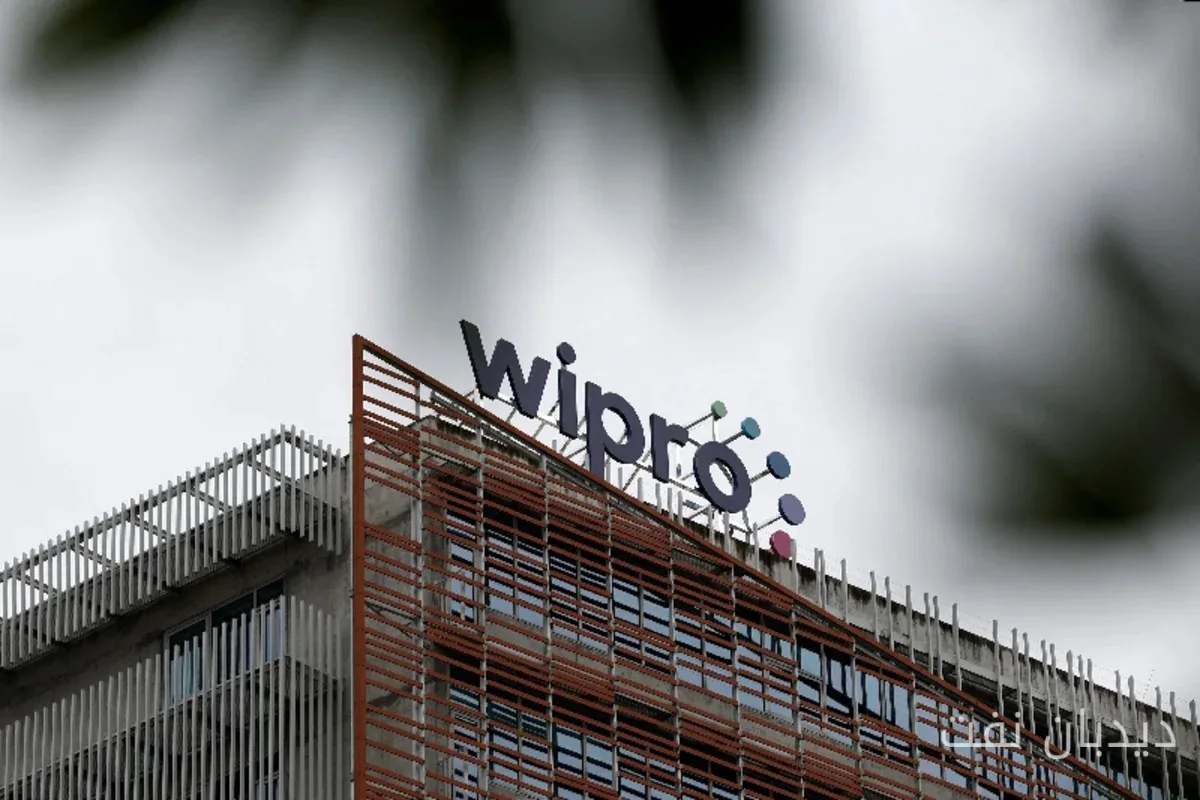
Wipro, the Indian technology giant, has announced that by implementing artificial intelligence in its processes, it will soon free up capacity equivalent to 20,000 workers. This news clearly indicates profound changes in the world of work and the new challenges that will arise for the workforce.
Impact of Artificial Intelligence on the Workforce
In today's world, artificial intelligence is recognized as a driving force for massive economic and social changes. Wipro, as a leader in this field, has employed its efforts to optimize processes and increase productivity. With these changes, questions arise about the future of jobs and employment in this industry.
The CTO of Wipro has stated that these changes do not merely mean a reduction in the workforce, but will also lead to increased efficiency and improved service quality. This new strategy allows Wipro to respond more quickly to customer needs while simultaneously reducing costs.
The Future of Work and New Challenges
While these transformations may lead to improved company performance, it is important to note that these changes may have serious implications for the workforce. With the freeing up of capacity for 20,000 workers, many may face new challenges in the job market. This issue could lead to the creation of social and economic inequalities and highlight the need for new management measures.
Ultimately, with this move, Wipro is not only seeking to optimize its performance but also serves as a sign of broader changes in the information technology industry and its impacts on the workforce. It remains to be seen whether other companies will move in this direction and how they can adapt to these changes.