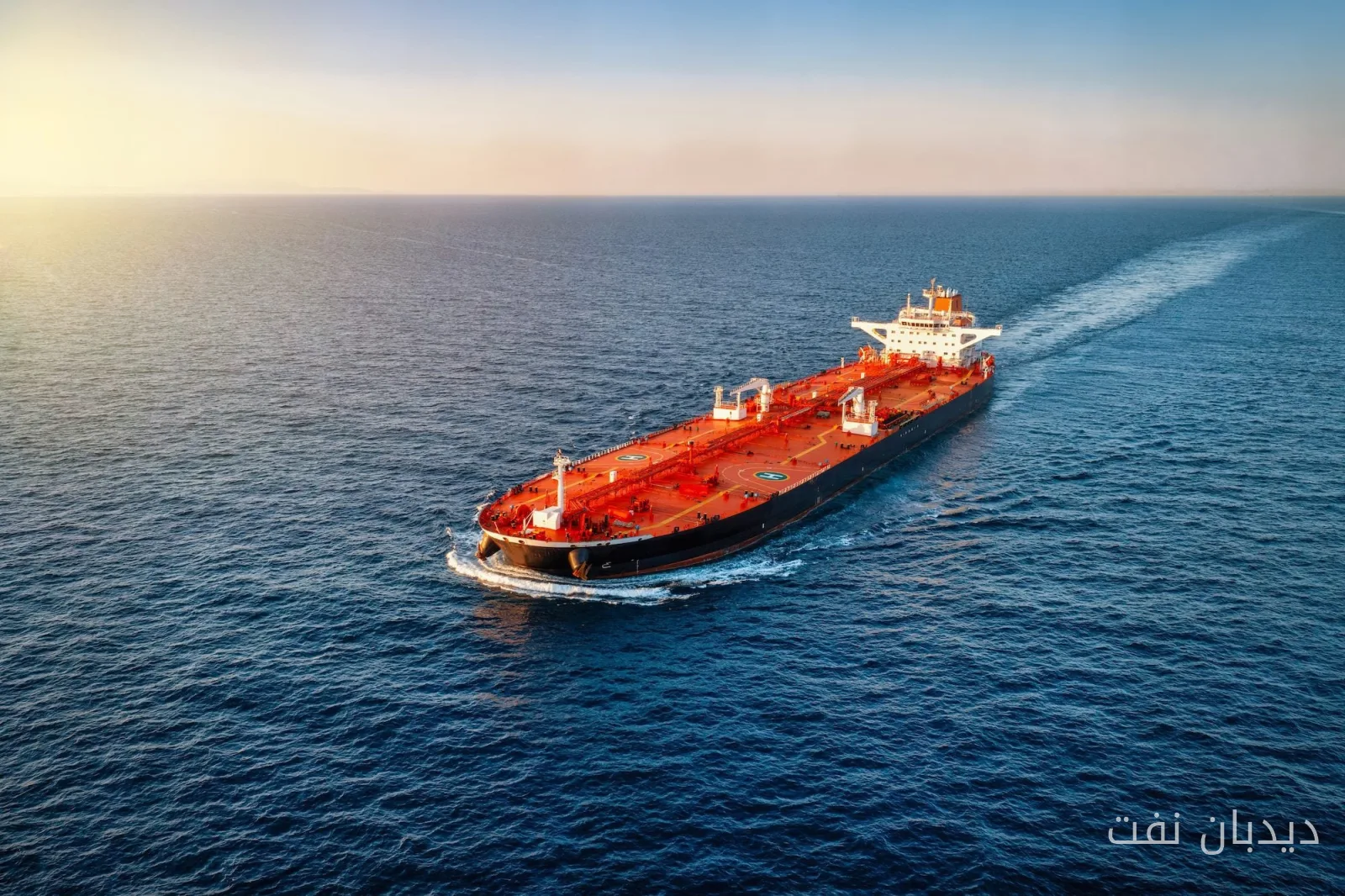
The rate of VLCC (Very Large Crude Carrier) tankers on the route from the Persian Gulf to China has reached a record $800,000 per day. This unprecedented increase reflects the profound impacts of economic sanctions and military tensions in the region on the shipping industry and the energy market. Specifically, this situation is seen as a sign of a "siege within a siege" in the economic war between Iran and the United States.
Analysis of the Current Situation
The record tanker rates on this route are particularly noteworthy given the current circumstances where Iran is facing severe economic sanctions. In some reports, rates have even exceeded $860,000 per day. This rate increase, especially as ships pass through the Strait of Hormuz, indicates civilian and economic risks. In fact, the high shipping costs have emerged as one of the direct consequences of these sanctions.
Read more: Maersk and Hapag-Lloyd Return to the Suez Canal
Economic Consequences
This increase in rates not only affects shipping but also puts pressure on the entire energy supply chain. Shipping companies and oil exporters must incur higher costs for transporting oil, which in turn can impact global oil prices. Meanwhile, rising costs could lead to reduced demand and instability in the market.
The increase in tanker rates on this route comes at a time when international agreements regarding Iran's nuclear program and sanctions are still under review. This situation could influence economic and political decision-making on a global scale and may be seen as a warning signal for global markets.
Given these conditions, the energy market must seriously monitor these developments and adopt new strategies to manage risks. A potential recession in this market could serve as a warning for policymakers and economic players.
Read more: Dianacom Reaches Nearly $1 Billion Contract with Hengli · Biofouling Risks for Ships in the Persian Gulf Due to Prolonged Stoppage