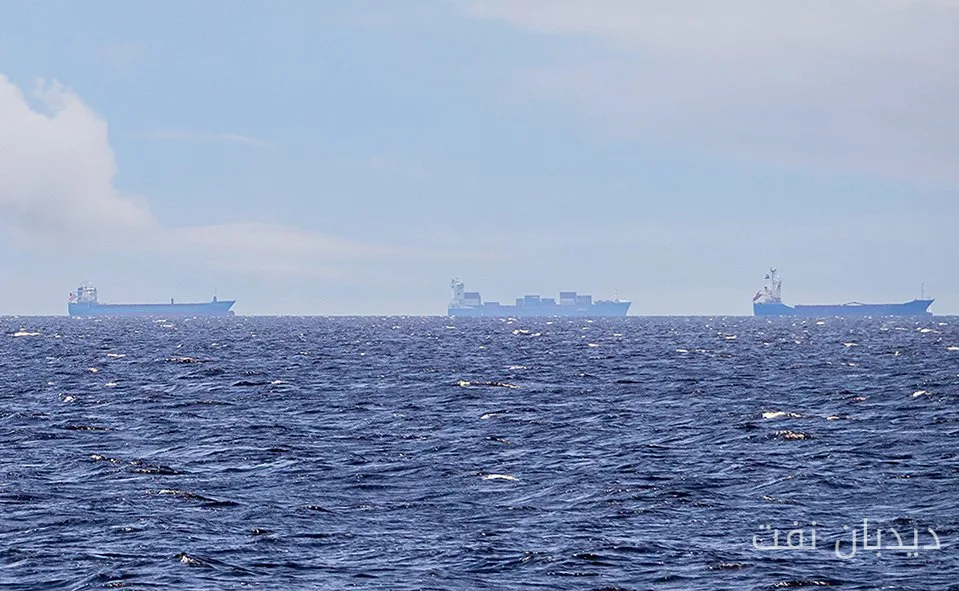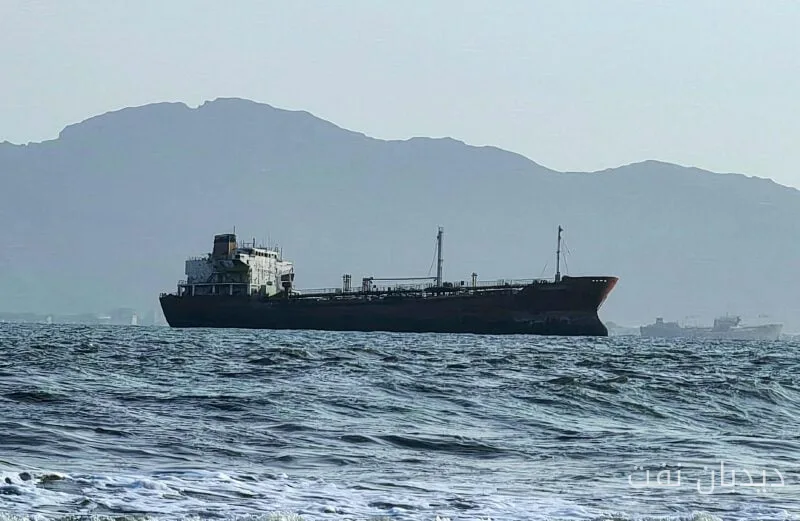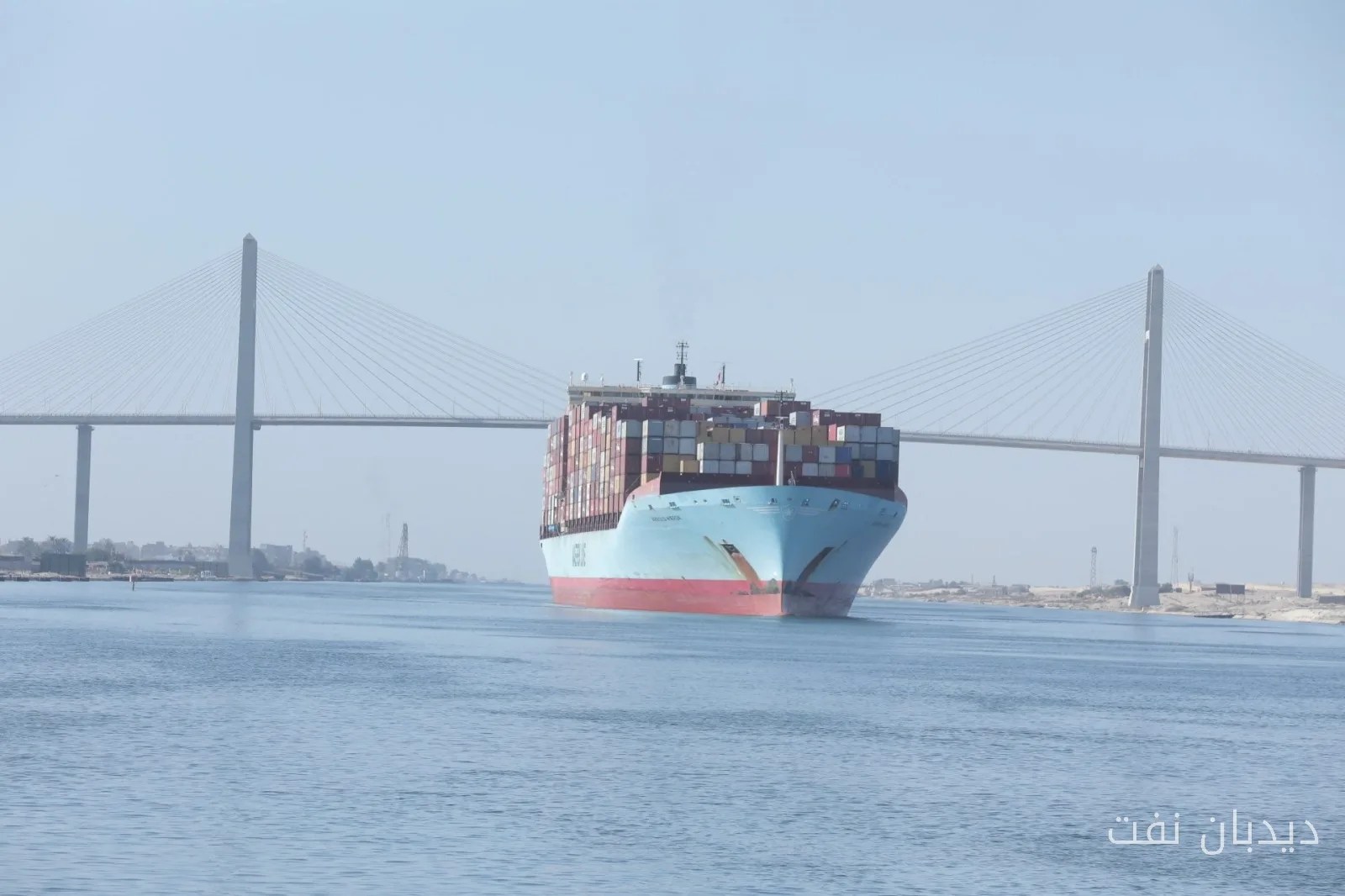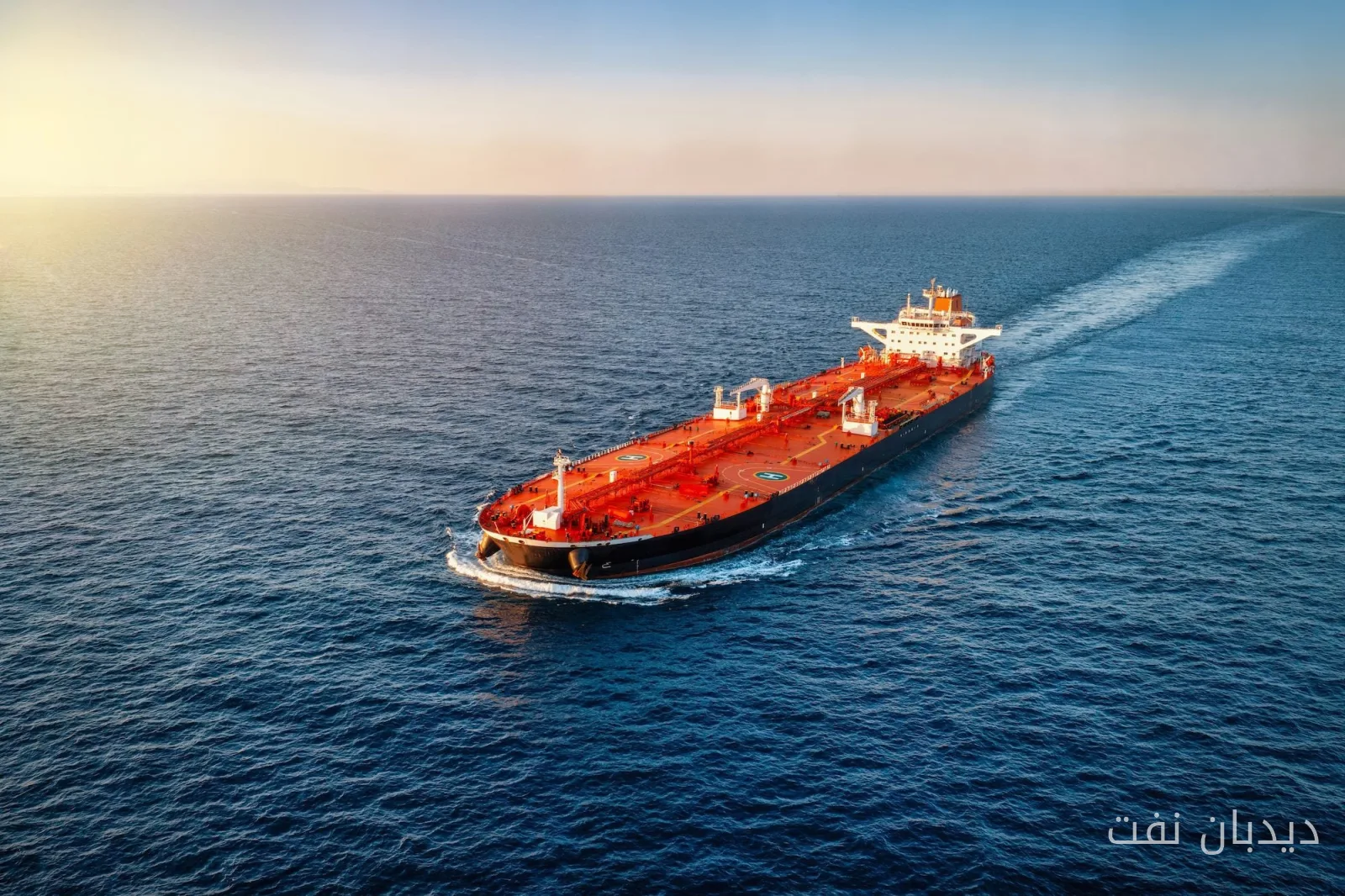
The cost of renting tankers on the main oil trade route from the Persian Gulf to China has reached 1.035 million dollars per day. This increase is the first of its kind in the history of oil transportation and follows military tensions in Iran, which discourage fewer ships from passing through the Strait of Hormuz and collecting cargoes.
Rising Costs and Changing Routes
According to data released from the Baltic Exchange in London, the main oil export route from the Persian Gulf to China is currently receiving less attention due to military tensions. Currently, oil exports to China from the Gulf of Oman, which do not require passing through the Strait of Hormuz, incur a cost of 644 thousand dollars per day. In contrast, during past downturns, the same ships sometimes only covered their operating costs.
Read more: New attacks on Saudi tankers in the Strait of Hormuz and rising tensions in the Middle East
Factors Affecting Price Fluctuations
The increase in transportation costs is due to a combination of several factors, many of which are related to the war in Iran and specific conditions of a secret Korean trader. The high revenues of tankers are also linked to refining margins that have significantly increased. Ongoing wars in Iran and Ukraine mean that the world is not producing enough fuel to meet demand. This situation encourages refiners to purchase and transport any cargo they can, even with high costs, due to their profitability in converting oil into final fuels like diesel and gasoline.
At the same time, the number of ships carrying cargoes from the Strait of Hormuz has increased the time of each tanker journey and put pressure on the supply of ships. This, along with disruptions in Saudi oil flow by Houthi rebels in Yemen, has forced some ships to undertake journeys that take 30 days longer than the usual route around Africa.
On Sunday, new attacks on Saudi Arabia and ships in the Persian Gulf tested nerves in the Middle East, following an attack on a Saudi oil pipeline and the advance of Houthi rebels in Yemen, threatening to worsen wartime disruptions in global energy supply.
Read more: Sanctions on Iranian tankers on international routes · Panamanian tanker hit by missile in the Strait of Hormuz