Iran, under the title "Persian Gulf Organization," has published its second update of the maritime transport blacklist and expanded its previous threats to insurance companies, P&I clubs, and classification entities. Despite limited evidence of compliance from the shipping industry with these orders, confirmed traffic through the Strait of Hormuz remains at low levels, likely due to ongoing attacks.
Increase in Non-Compliant Ships
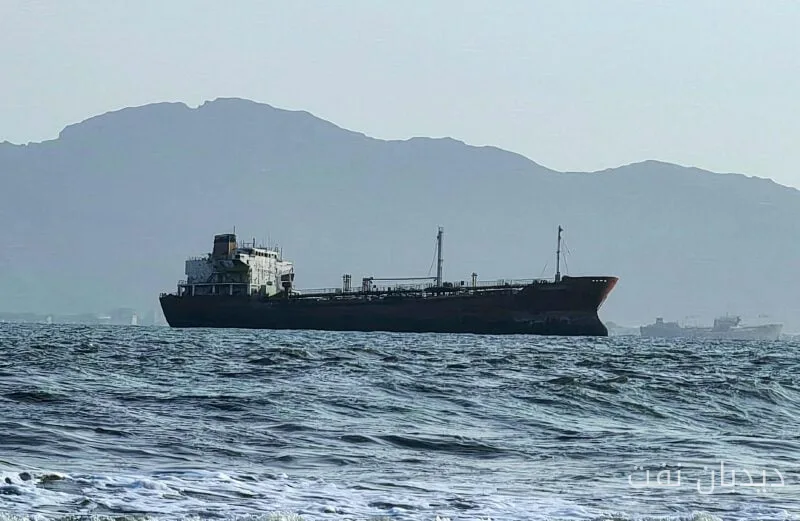
The group, which claims to control the passage of ships through the Strait of Hormuz, has released an updated list of ships online, labeling them as "non-compliant." This list includes clear targets such as vessels owned by Bahri of Saudi Arabia and the Kuwait Oil Tanker Company. While the focus is primarily on crude oil tankers, the list also includes LPG, LNG, product tankers, and even cargo ships.
Read more: DianaCom Secures Nearly One Billion Dollar Contract with Hengli
The list, which started at the end of August with 45 ships, has now increased to 77 ships with names and IMO registration numbers. The new version has added 21 ships to this list. In the past, they claimed that some information was "voluntarily provided by the public." It also includes tankers that were used for shuttle operations and ship-to-ship transfers outside the Persian Gulf.
Threats to Shipowners and Insurance Companies
This organization has warned shipowners and operators to avoid any contact with the listed ships. The Persian Gulf Organization has threatened that penalties, detention, or confiscation await those attempting to pass through the Strait of Hormuz.
However, the recent announcement expands the threats. The group has warned insurance companies, P&I clubs, and classification entities to refrain from providing services to these ships to avoid consequences from interacting with them. However, details of potential actions against violators have not been specified.
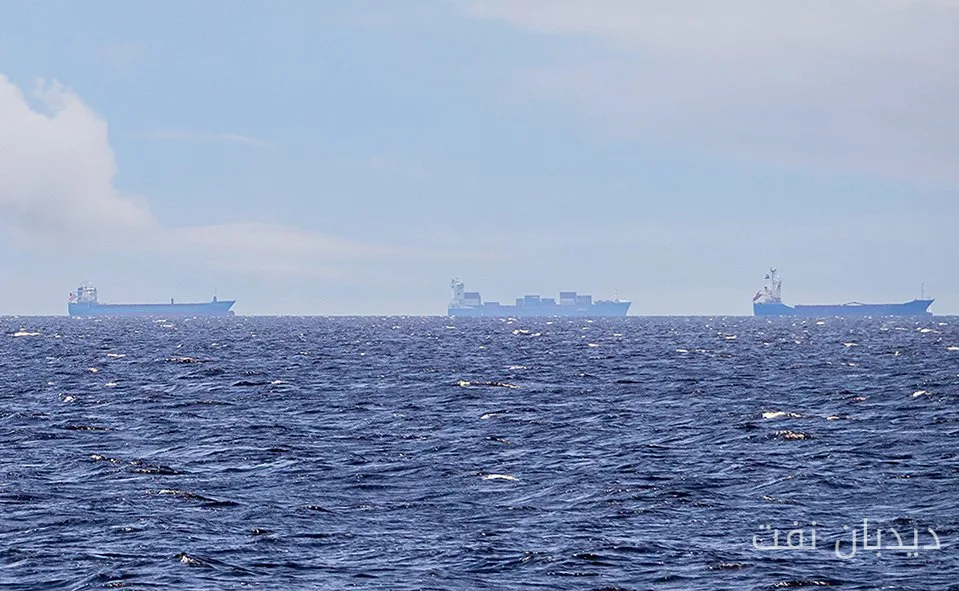
Tracking data shows that the passage of ships through the Strait of Hormuz is "significantly below the 10-day average." Reports indicate that over the weekend, the passage of ships dropped to "one figure per day," with only one LPG carrier and one Supermax tanker loaded on Saturday and Sunday.
Oil markets and shipping companies are in a state of concern following ongoing attacks from the United States and Iran and the news of the cancellation of the Gulf States conference with Iran. Brent crude prices reached $106, while U.S. crude contracts opened at $104 but fell to just below $102 during the day.
The U.S. government and its officials, especially Donald Trump, have reacted to these developments. Trump wrote on social media on Monday: "Oil is flowing from the Strait of Hormuz." In another post, he claimed that "oil under Biden's management has been higher than it is now" and in another post stated that "Iran is seeking a quick and immediate deal. I will determine whether the United States should take action or not."
Read more: Oil Tanker Carrying Sanctioned Oil Cargo Identified on October 17, 2023 · Houthi Attacks on Saudi Arabia and Their Impact on Iran and Gulf States Negotiations