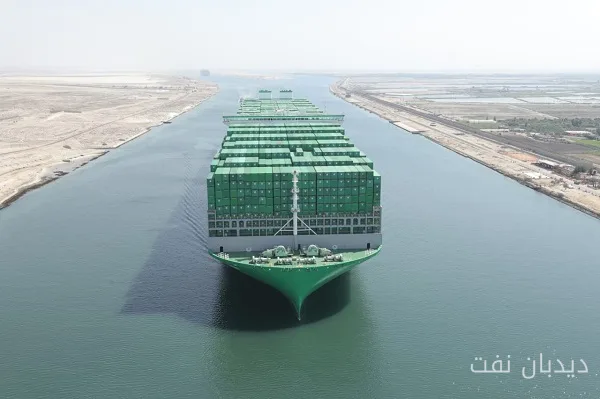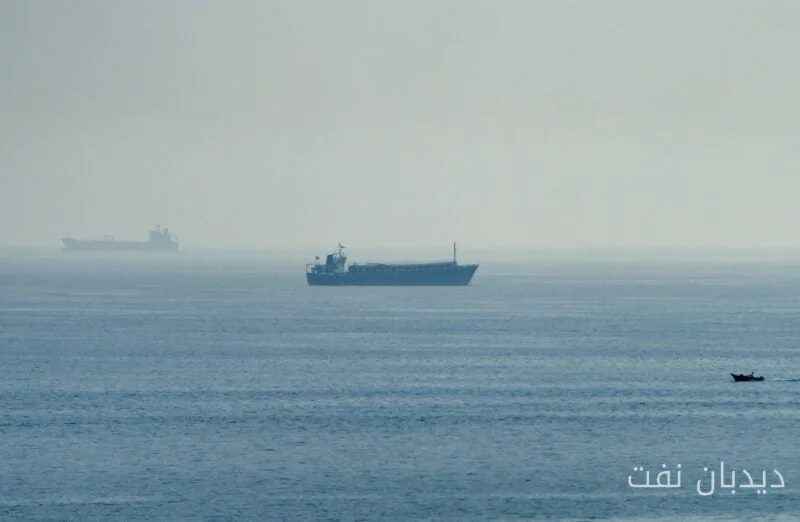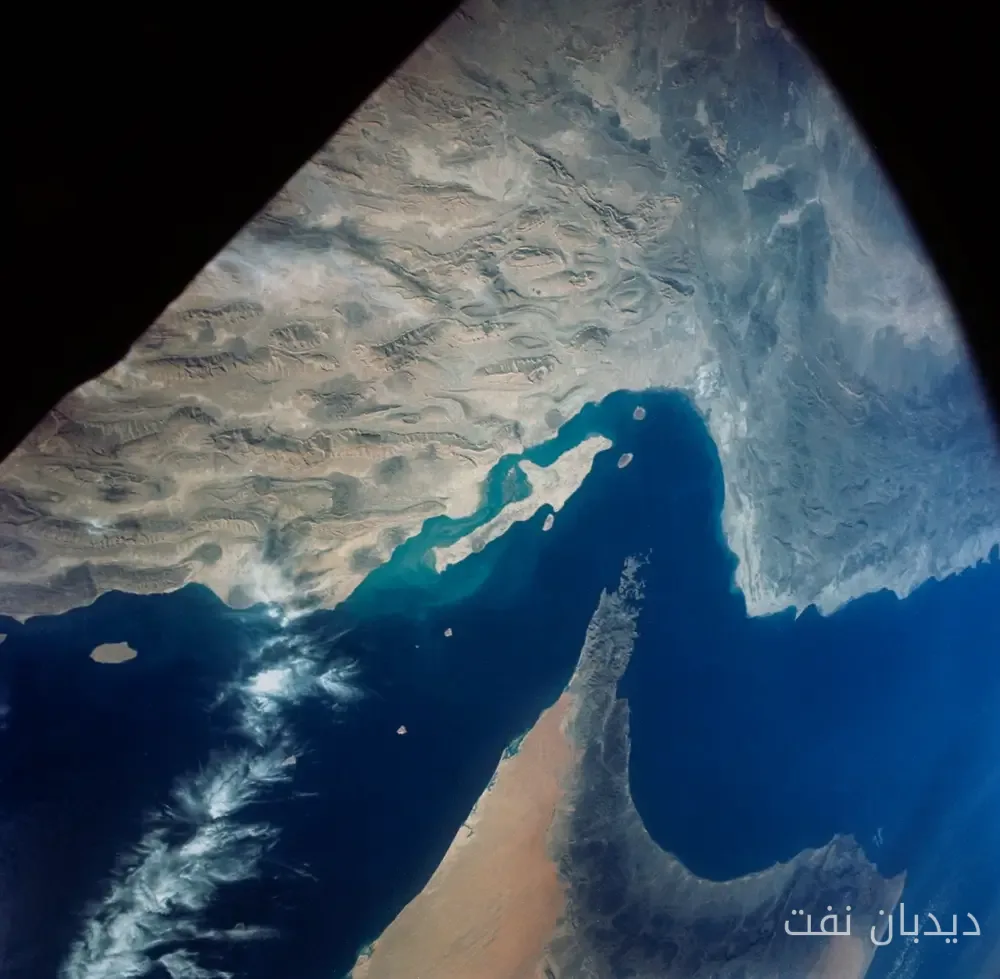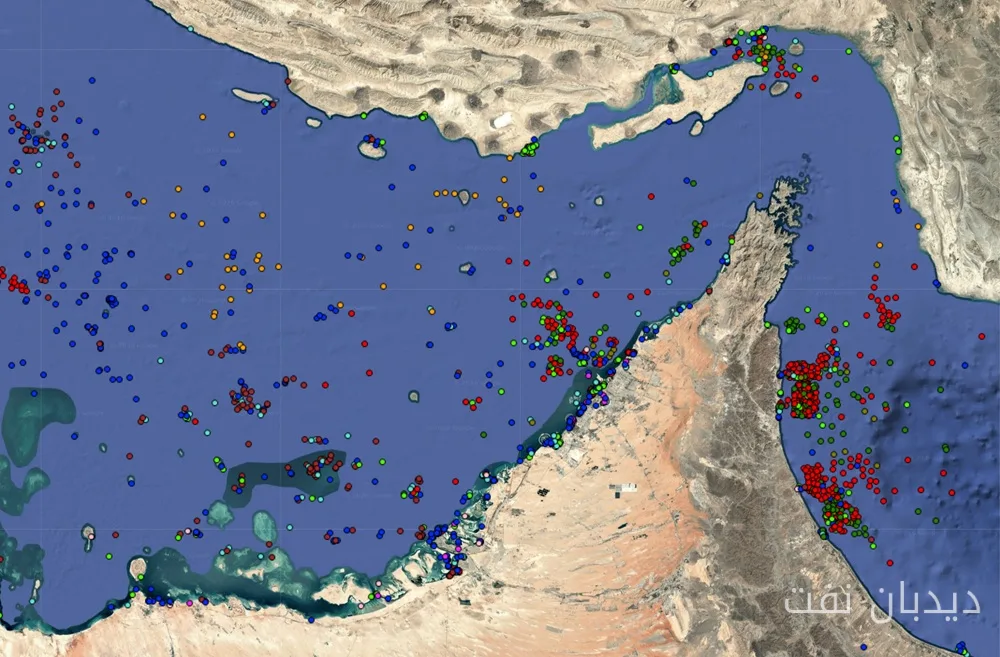
The Persian Gulf is witnessing prolonged stoppages of ships due to recent instabilities in the transportation market. According to AIS data, by mid-June 2026, the number of ships at a standstill in this region has reached 958, with 63% of them having been stopped for more than 100 days. This situation indicates an expanding crisis that has serious consequences for marine health and ship performance.
Impacts of Biofouling on Ships
When ships remain in the water for extended periods, underwater changes can have operational and environmental consequences. Biofouling begins as soon as the hull of the ship comes into contact with water, and after a while, larger organisms such as barnacles and algae can colonize the ship's surface. These changes can lead to reduced speed, increased engine load, and higher fuel costs. In a survey conducted by Jotun in 2025, 50.4% of respondents reported that due to inadequate management of biofouling, their fuel consumption increased and operational efficiency decreased.
Read more: Warning from the IRGC; American warships on the brink of tension in the Persian Gulf
Conditions Favoring Biofouling Growth
The climatic conditions of the Persian Gulf, including high water temperatures and the presence of nutrients, are recognized as factors that facilitate biofouling growth. Busy ports and heavy industries also exacerbate this situation. Ships that cannot move for various reasons remain at a standstill for long periods, creating an opportunity for marine organisms to settle on their hulls. As a result, this situation can lead to reduced efficiency of anti-biofouling systems.
In addition to environmental risks, the prolonged stoppage of ships can lead to increased illegal activities. Criminal groups exploit these ships to transport illegal cargo, taking advantage of their security vulnerabilities. These ships are easily visible in public bases, and criminals can use this information to plan their operations. Illegal cargo can be placed in areas that ship crews typically do not check and can be collected by other teams upon arrival at their destination.
Regulatory bodies in various countries have responded to this issue and have developed specific regulations regarding biofouling management. For example, under Australian regulations, ship operators can avoid potential penalties by demonstrating active management of biofouling. These regulations are gradually expanding globally, and ships must provide the necessary documentation to enter ports.
Ultimately, ship operators must take action to inspect the biofouling status and carry out necessary repairs before returning to service, using diving inspections and underwater cameras. This action can help reduce operational costs and improve ship efficiency.
Read more: Analysis of Exhibition Costs in China: The Insistence on Security Amid Oil Sanctions · DP World announces new plans to expand the land logistics network in the Persian Gulf