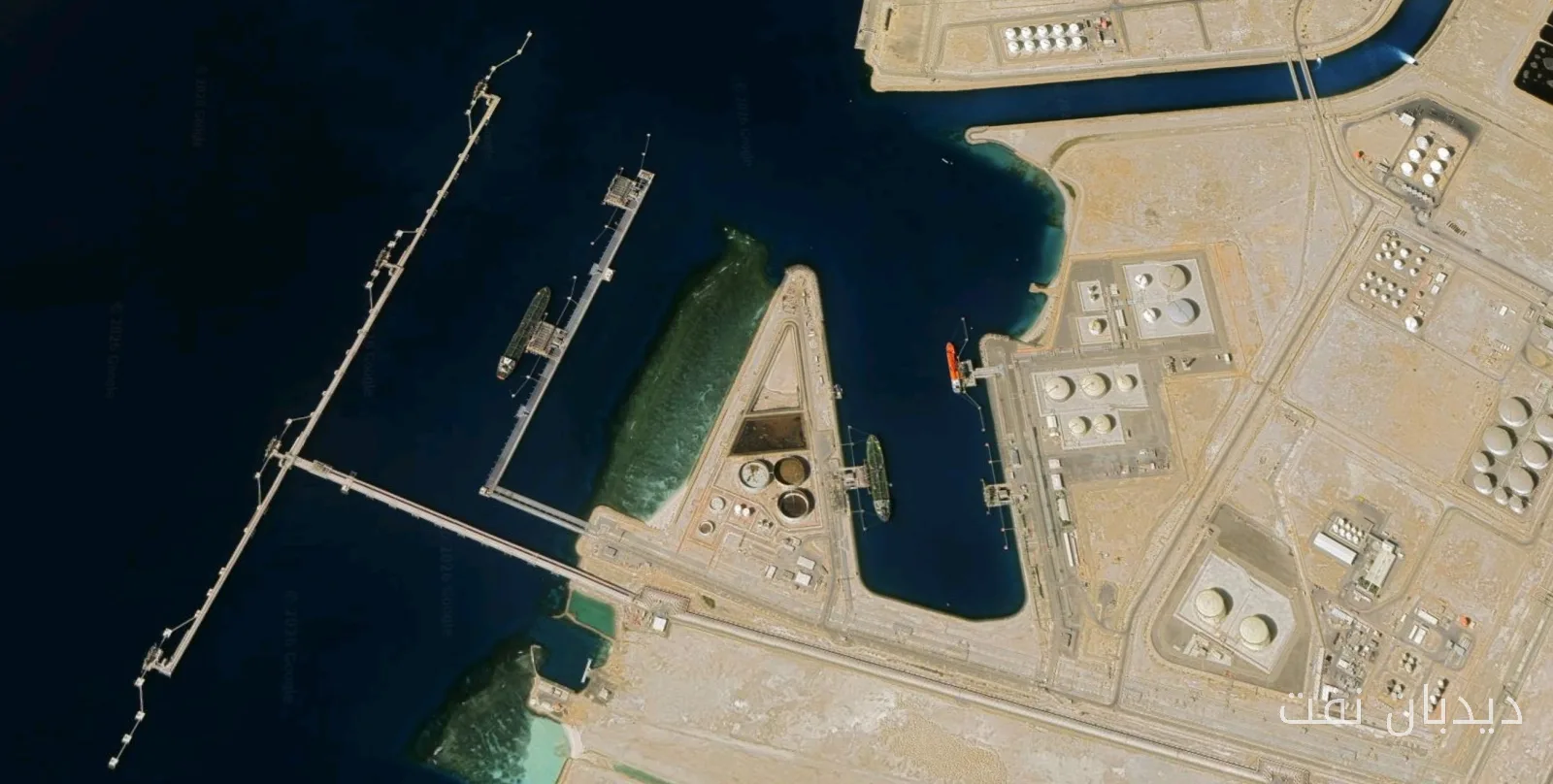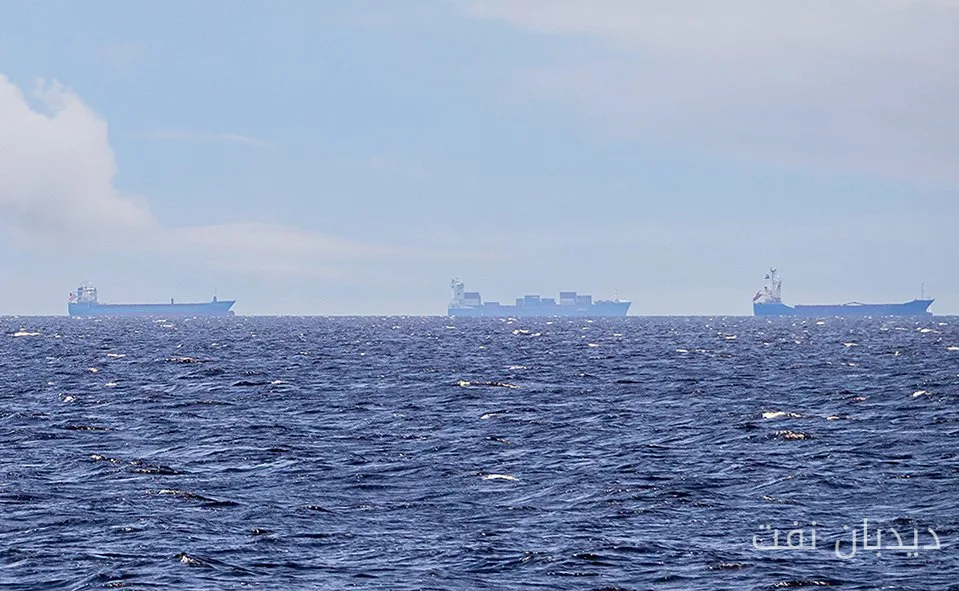
Donald Trump, the President of the United States, announced on Monday that the transfer of oil from the Strait of Hormuz is still ongoing and called on countries around the world to compensate the United States for its costs after the conflicts end. These remarks come as tensions between Iran and the U.S. have increased, severely limiting ship traffic in this waterway.
Ship Traffic Status and Its Impact on the Oil Market
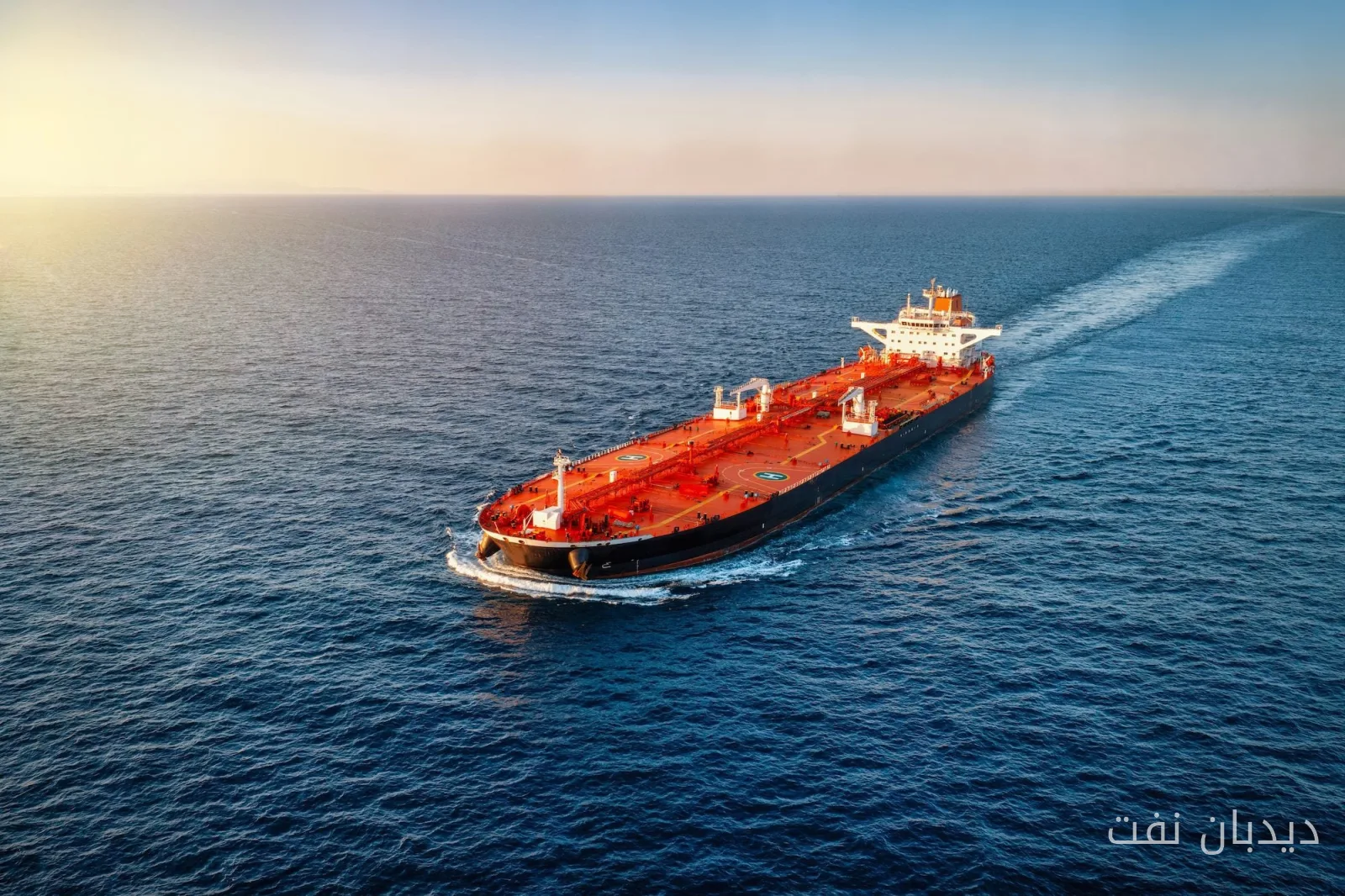
Ship traffic in the Strait of Hormuz, one of the most strategic waterways in the world, is significantly affected by the recent conflicts between Iran and the U.S. With the Houthis advancing in western Yemen, it seems that Bab-el-Mandeb has become a new front for the conflicts. Following these developments, oil prices in the global market have risen, with Brent crude reaching over $106 per barrel.
Read more: Tenfold Increase in Tanker Insurance Due to War Risk
Iran's Reaction and Negotiation Conditions
In response to Trump's remarks, Mohsen Rezaei, Secretary of the Supreme National Security Council of the Islamic Republic of Iran, emphasized that there will be no negotiations as long as Iran's conditions are not met. He referred to Trump's statements on the social media platform X and stated that the contradictory messages from the U.S. President should not lead to confusion, and the equations regarding oil and straits have changed.
Trump also claimed that Iran is very eager to reach an agreement with the United States and stated that he will decide whether the U.S. will engage in dialogue or not. He made these remarks while repeatedly referring to Iran's request for an agreement since the onset of the Iran-U.S. war on February 28.
This comes as Trump's statements indicate a shift in U.S. policies towards Iran and the existing tensions in the region. Given the current situation, the future of the oil market and ship traffic in the Strait of Hormuz is heavily dependent on political developments.
Read more: Date and Route of the Sanctioned Iranian Oil Tanker Cargo Revealed · New Attacks on Saudi Tankers in the Strait of Hormuz and Increased Tensions in the Middle East