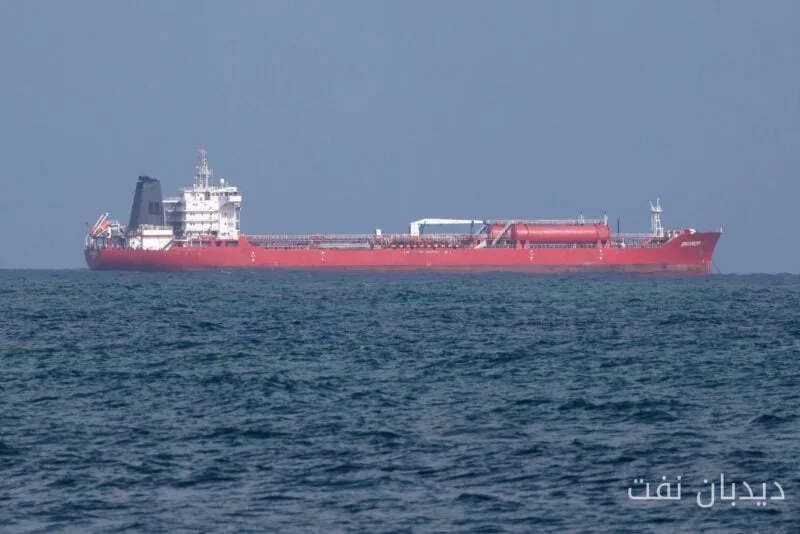
Venezuela's oil sales for loading in October have been halted due to a sharp increase in transportation costs. Transportation costs, which are a key component of the delivered price, have more than doubled since the end of August, making Venezuelan crude oil less competitive compared to Canadian oil for U.S. refineries.
Impact of Rising Costs on Venezuela's Oil Sales
Trading companies like Vitol Group and Trafigura Group, which have been engaged as intermediaries for selling Venezuelan oil, are currently facing difficult conditions. Buyers of Venezuelan oil are currently receiving oil at a discount of about $14 compared to the ICE Brent benchmark prices for loading in October. With transportation costs to the Gulf Coast nearing $7 per barrel, oil reaches the shores of Texas and Louisiana at a discount of $7 per barrel, which means it is $5 more than competitive Canadian oils.
Read more: The tanker 'Majestic X' transfers a $600 million shipment of seized Iranian oil to the U.S.
Challenges in the Venezuelan Oil Market
This price discrepancy could significantly impact a key oil source for U.S. refineries; as diesel prices in the U.S. have reached record highs, especially with the midterm elections approaching, there is a risk of disruption in the supply of this resource. Following the ousting of Nicolás Maduro, Venezuela has been recognized as one of the main foreign oil suppliers for U.S. refineries.
Further challenges await Venezuela. U.S. demand for the heavy and sulfurous oil produced by Venezuela has decreased due to the sudden shutdown of facilities, including ExxonMobil's Joliet refinery and Valero Energy's Port Arthur refinery.
Traders and refineries may opt out of purchasing Venezuelan oil due to rising costs, which could create opportunities for competitors waiting to enter the market. Entering the Venezuelan oil trade requires significant investment. After Maduro's ousting, buyers must prepay for oil into an account controlled by the U.S. government.
However, some unsellable oil may be transferred to storage tanks or made available to new players. In recent months, PDVSA has been expanding its customer base and collaborating with companies such as BP Plc, Phillips 66, Novum Energy Trading Corp, and Reliance Industries Ltd.
Read more: Decrease in tanker traffic in the Strait of Hormuz; an incident with two injured · The crisis in the Strait of Hormuz has cast a shadow over the United Nations General Assembly



