The U.S. Treasury Secretary announced that tanker traffic through the Strait of Hormuz has returned to pre-conflict levels. Scott Basset wrote in a message on the social media platform X: "The level of transit through the Strait of Hormuz has returned to pre-conflict levels, minus Iranian oil barrels. The world can live without Iranian oil; however, Iran cannot live without oil exports."
Continued Exports Despite Attacks
This statement comes as, despite an increase in attacks on commercial vessels in October, the flow of crude oil exports from the Strait of Hormuz has largely been maintained. According to market reports, crude oil exports from this waterway averaged around 11.1 million barrels per day in October, which is only 2 percent less than in September.
Fluctuations in Exports and Security Threats
However, this average hides more severe fluctuations in the final days of the month. Daily oil flow in the last week of October dropped to 7.3 million barrels per day, but U.S. maritime transport measures and military support prevented a complete halt of shipments. The amount of oil exported from the Strait of Hormuz experienced an unprecedented drop at the beginning of the war, with exports decreasing by about 90 percent in the first 24 hours after the conflict began.
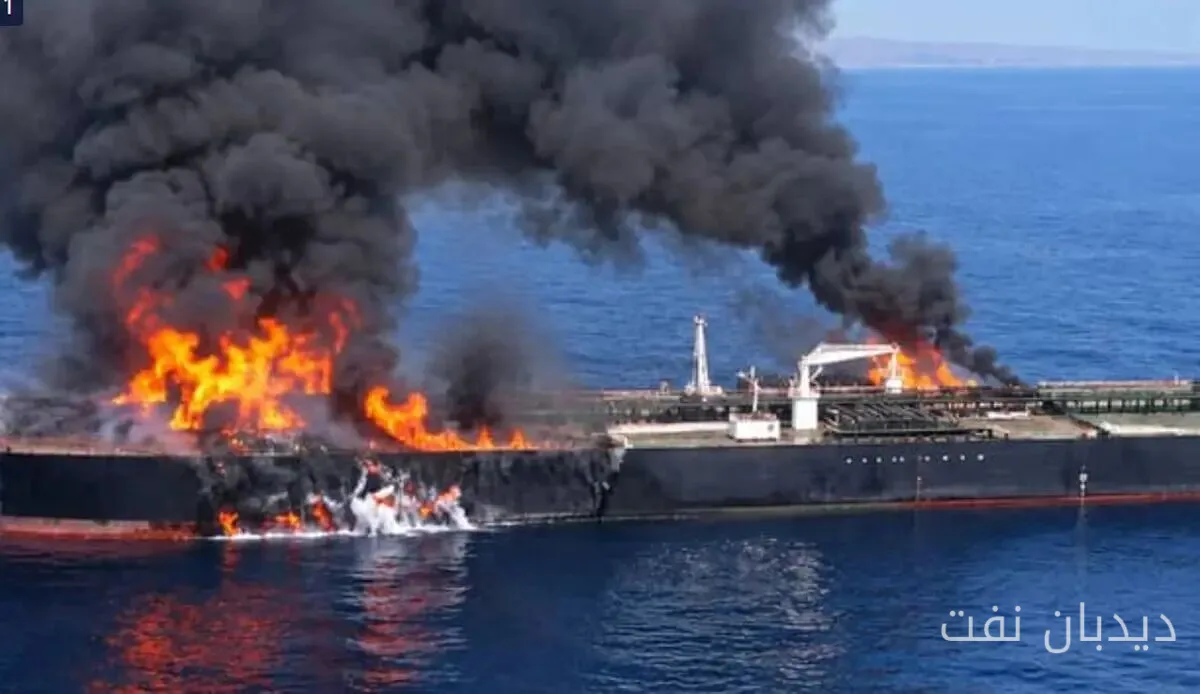
Since then, the flow of exports has gradually recovered, although this process remains dependent on the security conditions of the waterway and the protection of vessels. By October 27, at least 30 vessels had been targeted in attacks, and 16 sailors were injured. The number of recorded incidents in October was double the 15 confirmed cases in September.
Meanwhile, rising oil prices have increased companies' motivation to continue transportation. Brent oil rose by more than 13 percent in October, with prices surpassing $117 per barrel; a level close to the record of $118.35 set in March.
Read more: Approval of the Texas LNG export port project by MARAD with reduced review time · The Persian Gulf reached 24 million barrels of oil per day under sanctions and conflicts