The U.S. Secretary of State elaborated on his country's concerns regarding Iran's nuclear program and its impact on the Strait of Hormuz in an interview. He stated that if Iran were to acquire nuclear weapons, it would pose a serious threat to neighboring countries and the international community.
The Impact of Iran's Nuclear Program on the Security of the Strait of Hormuz
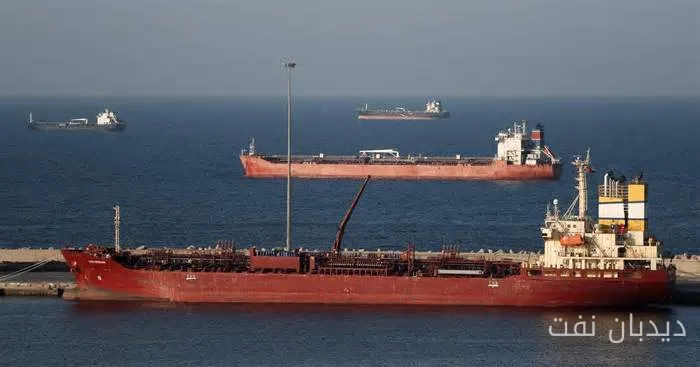
U.S. Secretary of State Marco Rubio specifically referred to the connection between Iran's nuclear program and the security of the Strait of Hormuz, stating: "If Iran has nuclear weapons, it could use them to threaten neighboring countries and control maritime routes." The Strait of Hormuz is considered one of the strategic routes for oil transportation, and any threat in this region could have serious repercussions for the global energy market.
Read more: Analysis of Oil Shipment Routes: The Importance of Cooperation in Trade Corridors
He noted the current situation, saying: "The Strait of Hormuz is currently open, and the volume of oil passing through this waterway has returned to pre-conflict levels, except for Iranian oil." These remarks reflect U.S. concerns about Iran's increasing influence in the region and the risk of escalating conflicts if Iran's nuclear program is not controlled.
U.S. Policies Toward Iran and Their Consequences
Rubio referred to the Trump administration's approach to preventing Iran from acquiring nuclear weapons, stating: "Our policy is that Iran can never have nuclear weapons." He emphasized that this policy remains a central focus of the current U.S. administration's strategy. Rubio also pointed to the Iranian government's unwillingness to respect human rights and its suppression of protesters, considering this behavior a factor increasing global security concerns.
The U.S. Secretary of State also addressed Iran's economic situation and the pressures resulting from sanctions, stating: "Iran's economy is currently in a disastrous state, and these pressures reduce Tehran's ability to finance proxy groups and military programs." These remarks indicate that economic pressure can be used as a tool to control Iran's nuclear and military activities.
Finally, Rubio referenced the indirect negotiations between the U.S. and Iran, stating that the nuclear issue is one of the main obstacles to reaching an agreement. He also emphasized the need to continue applying pressure on Iran to abandon its nuclear programs.
Read more: Amir Sayyari: The Strait of Hormuz is under Iran's full control · Revolutionary Guards: The Strait of Hormuz has become a hunting ground for American submarines



