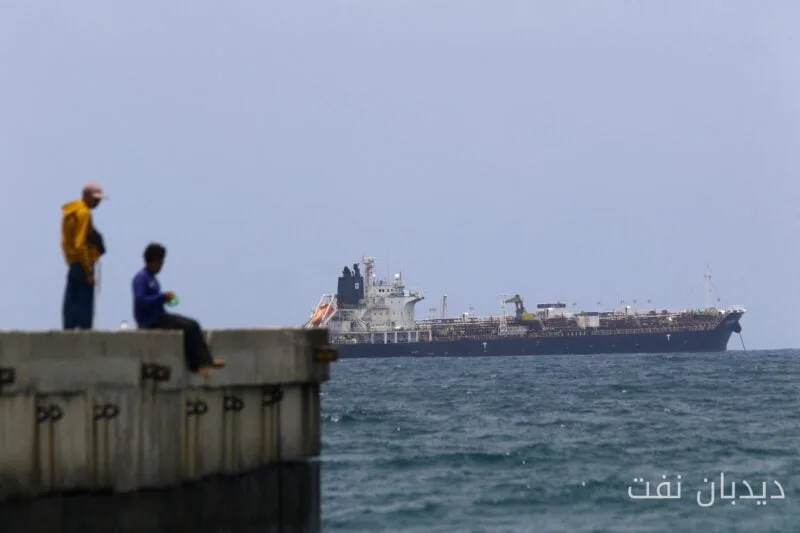
Diesel prices in Europe and the United States have reached their highest levels, due to a significant reduction in exports from the largest producers such as Russia, Saudi Arabia, and the United Arab Emirates. This price increase has been particularly influenced by the wars in Iran and Ukraine, which have had negative impacts on the exports of these countries.
Diesel Market Situation in Europe
Futures prices for diesel in Europe reached their highest historical levels last week, more than double their levels at the beginning of 2026. Supply disruptions have also spread to the Red Sea, which is responsible for the majority of Saudi Arabia's diesel loading. The wars in the Middle East and Ukraine have had devastating effects on oil refineries in these regions, and other refineries are struggling to produce fuel.
Read more: Orlen and Ukraine's Naftogaz Oil Cooperation with the Signing of Two Memorandums
For example, U.S. refineries operated at their highest level in eight years at the end of August. The International Energy Agency stated in a newsletter that "the main issue is that many of the world's refineries are currently operating at maximum capacity," leaving limited options to prevent further bottlenecks in supply and rising prices in the coming months.
Impact of Sanctions and Wars on Diesel Exports
Middle Eastern diesel exports have halved from March to August compared to last year, averaging 800,000 barrels per day. This region supplied nearly 41 percent of Europe's diesel imports in 2025. Any further disruptions in the Red Sea flows increase the risk of tightening the global diesel market. Kpler analyst George Shaw emphasized that global diesel markets remain vulnerable, and refining capacity remains a key pressure point.
In July, Russia banned diesel exports as Ukrainian drone attacks had reduced the production of Russian refineries. The wars between Ukraine and Russia continue to affect each other's energy infrastructures, despite U.S. President Donald Trump's announcement last week of an agreement between the two countries to halt these attacks.
Russia, the second-largest diesel exporter in the world after the United States, had been exporting significant amounts of diesel to Turkey and Brazil before the ban, prompting these importers to seek alternative sources.
In Europe, which has historically been a net importer of diesel, reserves at the key refining and storage hub of Amsterdam-Rotterdam-Antwerp reached their lowest level for this time of year on September 10. In the United States, the average retail price of diesel this month surpassed $6 per gallon for the first time.
Diesel reserves remain below normal seasonal levels, even though refineries are operating at their closest levels. Although diesel reserves increased by about 600,000 barrels last week, at 96.97 million barrels, they are still nearly 15 percent lower than the five-year average for the second week of September.
In Asia, diesel prices are high due to supply disruptions from the Middle East and Russia, reaching near-record levels. A benchmark for Asian diesel, diesel swaps, has decreased from the record high of March, which was over $200 per barrel, to about $180 on September 18. Current levels are still double the pre-war amounts.
The reduction in diesel exports from China after the Iran war has likely tightened global supply, as the country's exports fell by 26 percent from April to June. However, China's diesel exports in August reached their highest level in nearly 2.5 years, totaling 320,000 barrels per day, leading to a decrease in domestic reserves.
Read more: Sanction on Iranian Oil Tanker Shipment on November 6 · $24 Billion Loss for Qatar Following the Iran War and Reduction in LNG Exports



