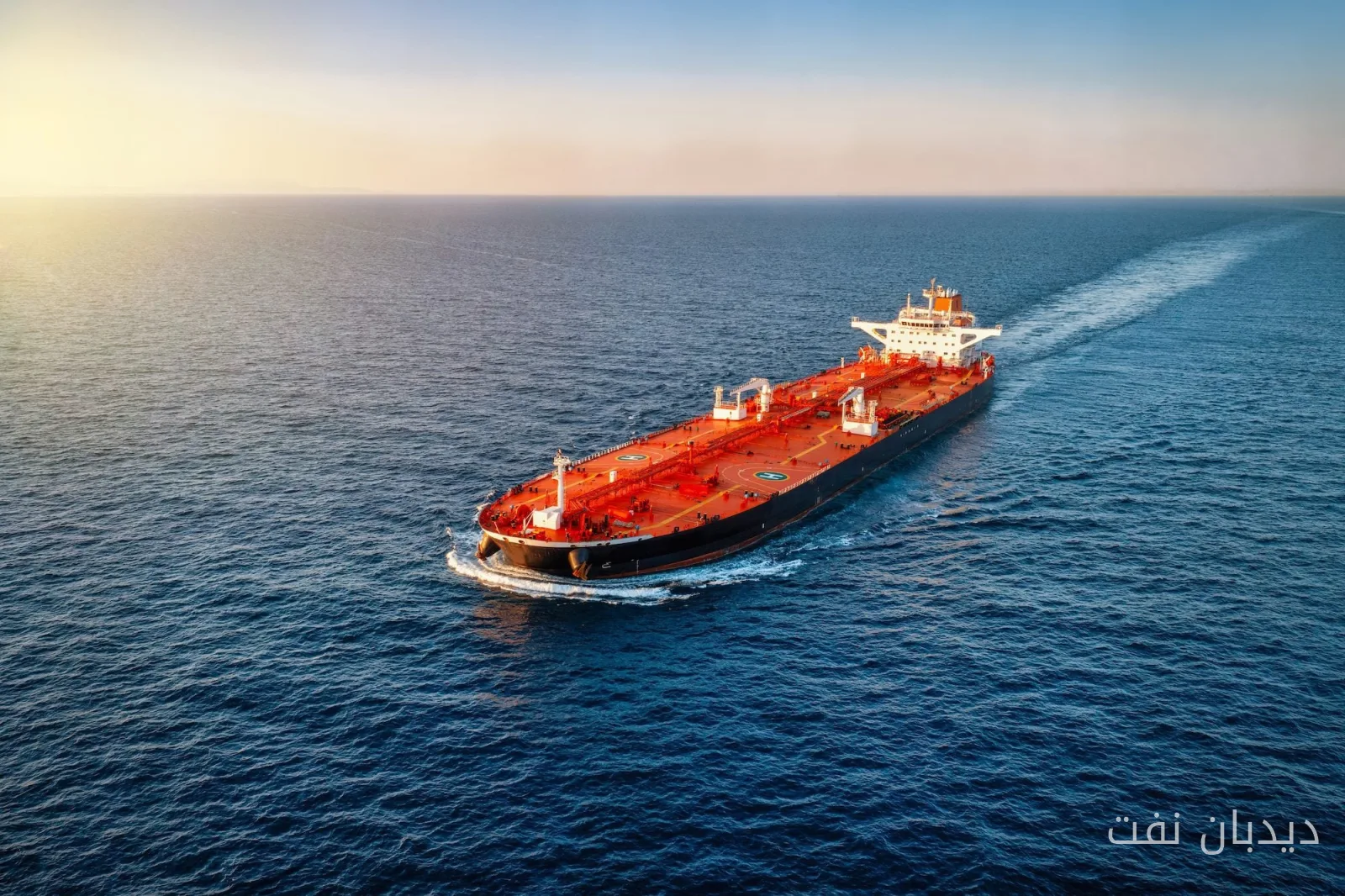
The value of very large crude carriers (VLCCs) built before 2016 has significantly increased, reaching prices above $150 million. In contrast, the average price for ordering a new tanker is around $135 million. According to maritime reports, for the first time in history, the value of 10-year-old tankers has surpassed the prices of new builds.
Price Increases Based on Tanker Age
Reports indicate that from July 10 to September 18, the value of a 5-year-old VLCC increased from about $145 million to $172 million, representing a growth of about 18.6 percent. Additionally, the value of 10-year-old tankers rose from $115 million to $152 million, showing an increase of about 32 percent. Interestingly, the value of 15-year-old tankers surged from $83.5 million to $135 million, marking an astonishing growth of about 62 percent in less than two months.
Read more: FGO Conducted Geological Survey for Petromas Kargali in Malaysia
Market and Geopolitical Impacts
These market changes are due to the high demand for tankers to meet oil transportation needs and rising insurance costs in high-risk areas, especially the Strait of Hormuz. For instance, after the closure of the Strait of Hormuz on March 2, VLCC freight rates for transportation from the Middle East to Asia reached their highest level since November 2005.
These developments indicate that the tanker market is influenced by geopolitical risks and the need for faster transportation, leading to rising prices. In this situation, buyers are willing to pay higher prices to access available tankers to avoid delays in the delivery of new tankers.
For example, the 306,000-ton tanker Pinios, recently delivered to Dynacom, was sold for about $200 million. This price clearly reflects the increased demand for nearly new tankers.
Read more: Qatar Energy Unable to Deliver LNG Due to Closure of the Strait of Hormuz · New Iranian Oil Shipment Sanctioned with Tanker 'Sourin' on October 25



