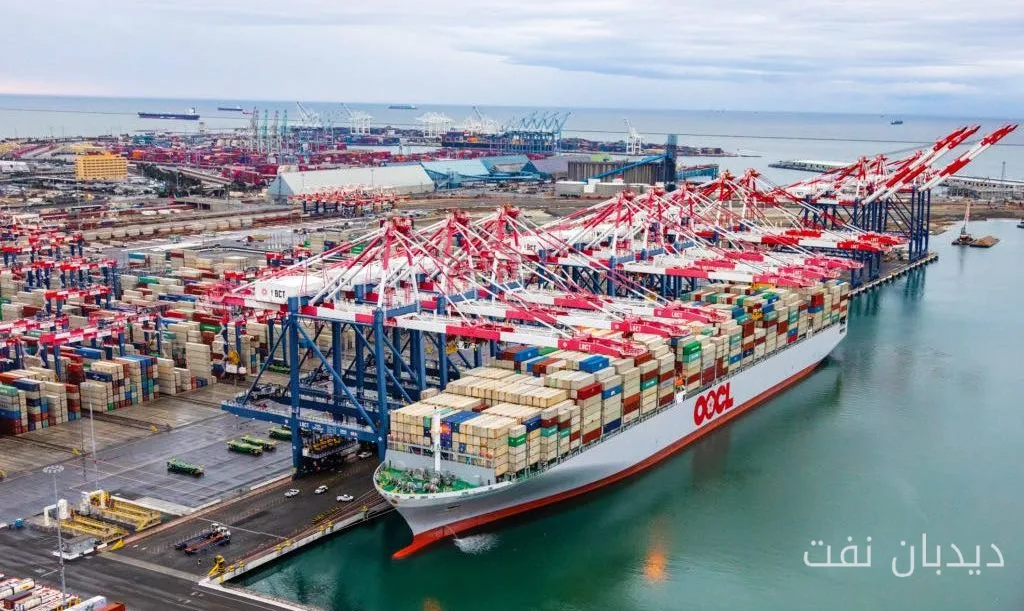
In order to continue trade negotiations with China, the United States is seeking to extend the suspension of additional port fees for ships related to China for another two months. This suspension will last until January 9, 2027.
Details of the Fee Suspension Extension
The Office of the United States Trade Representative (USTR) has begun public consultation on a proposal to extend the suspension starting from November 10, when the current agreement expires. If this extension is approved, operators will be exempt from additional maritime transport fees introduced under Section 301 of the United States investigation into China's dominance in shipping, logistics, and shipbuilding.
Read more: Pawimar Signs Contract for Four New Heavy Lift Ships with Hengli
History of Port Fees
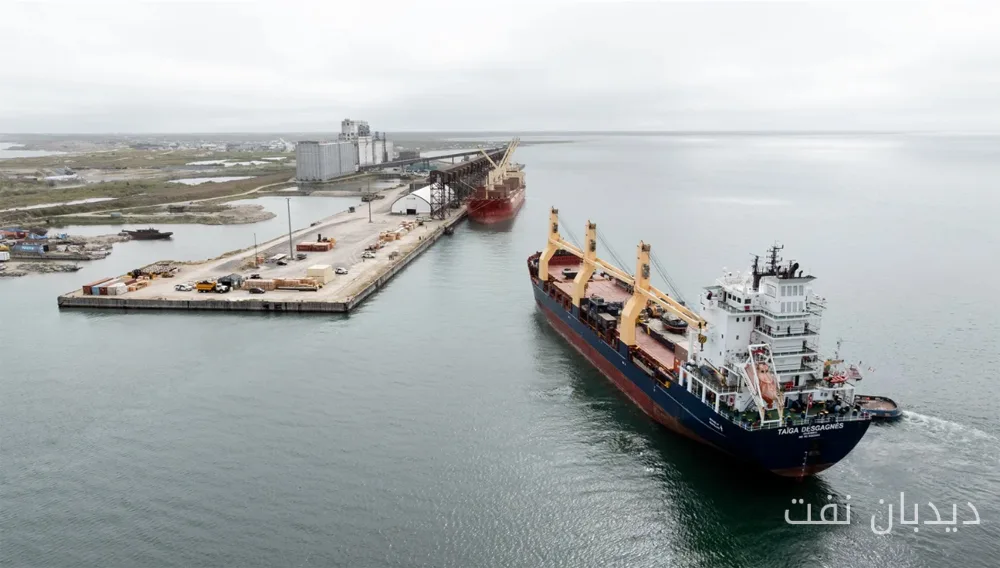
The United States introduced fees related to ships in October 2025, targeting vessels owned by China and ships built in China. These actions led to significant changes in fleet deployment plans, with owners and operators seeking to limit additional costs. Following this decision, Washington and Beijing agreed to suspend their maritime fees for one year, with the U.S. suspension taking effect from November 10, 2025.
The new proposal allows operators two more months for negotiations without the fees being reinstated. USTR has set October 30 as the deadline for public comments before making a decision on the continuation of this proposal.
Economic Implications
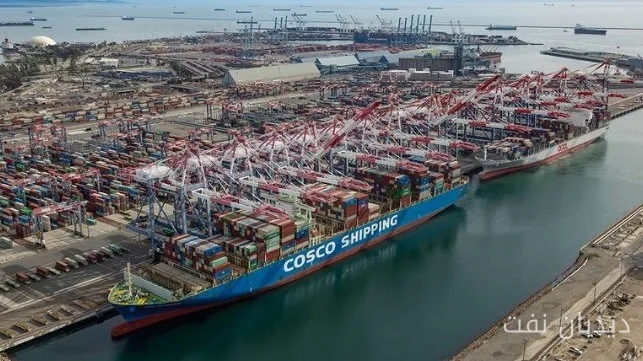
These actions and extensions could have major impacts on large container shipping companies like COSCO and OOCL, with estimates suggesting these companies may face billions of dollars in additional costs if port fees continue. There are multiple concerns regarding the impact of these fees on the global supply chain and end-consumer costs.
Washington is seeking to create balance in its trade relations with China, and these suspensions are part of the overall U.S. strategy to reduce trade tensions and encourage economic cooperation with Beijing.
Read more: Iran Emphasizes the Need for Investment in Maritime Education · Introduction of Seven New Container Bill of Lading Standards by Shanghai Transport Exchange