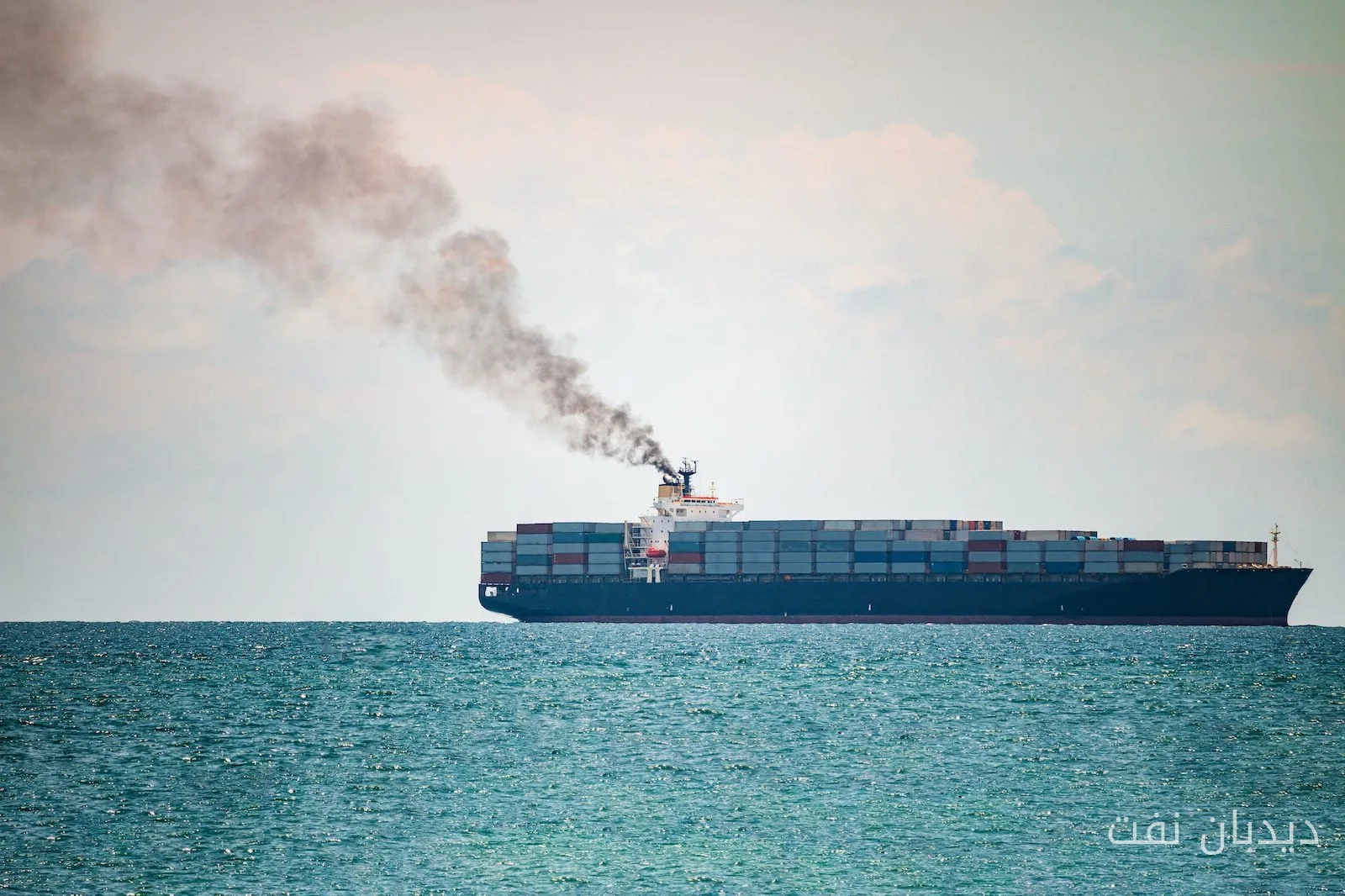
Uncertainty in the International Maritime Organization (IMO) Net-Zero Framework poses a serious risk to achieving the 2030 carbon-free fuels goal in the maritime transport industry. According to a new assessment by the UCL Energy Institute and the Getting to Zero Coalition, progress in this area has become increasingly unstable, with technological advancements undermined by weak demand and financial and policy signals.
Impact of Uncertainty on Investment
This uncertainty is particularly concerning for shipowners, as thousands of ships ordered in the coming years may remain in service until the early 2040s. This situation forces owners to make decisions about the engines and fuels that will operate under the negotiating regulations. The new assessment shows that the share of vessels capable of using carbon-free fuels in the global order book has decreased from 9.5 percent to 5.7 percent.
Read more: Mohsen Rezaei Announces Iran's Conditions for America
Developments in Alternative Fuel Technology
Despite these challenges, advancements in alternative fuel technology have been recorded. The number of ports offering methanol bunkering services has increased from 19 to 29, and the capacity of methanol bunkering tonnage has now tripled. However, the lack of demand signals has hindered support for investment at the expected scale. The 2030 goal for the maritime transport industry is for scalable carbon-free fuels to constitute at least 5 percent — and preferably 10 percent — of the fuels used in international shipping.
Currently, the IMO carbon neutral framework is considered the main proposal for providing a global legal structure. In the latest IMO technical negotiations, 38 countries explicitly supported maintaining carbon pricing and revenue mechanisms, while 17 countries, mainly oil-producing nations, opposed this issue. The Getting to Zero Coalition has warned that continued uncertainty could delay investment in carbon-free ships, fuels, and infrastructure.
Read more: Pakistani Analyst: The Persian Gulf Should Be a Safe Energy Transfer Route · Ministry of Energy Did Not Fulfill Its Promise of No Blackouts This Summer