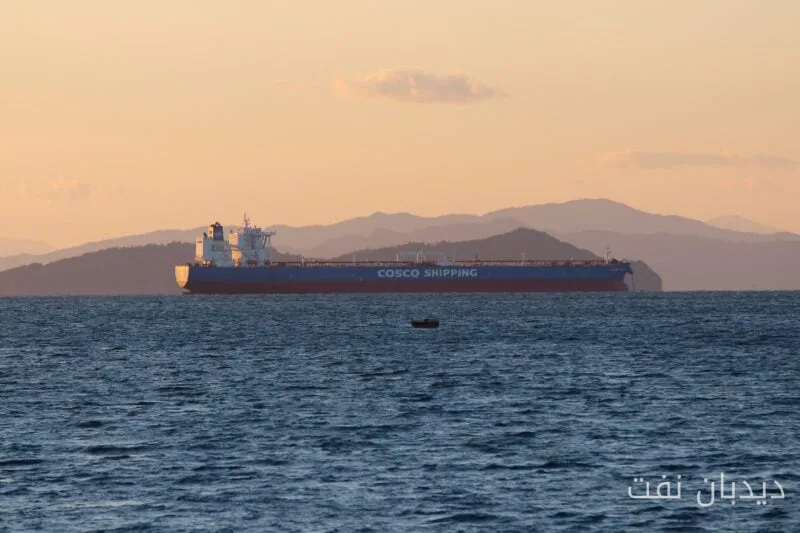
The increase in revenues of large tankers this year has significantly attracted new investors to the maritime transport industry. Political and military crises in Iran and other parts of the Middle East have led to a sharp decline in the supply of tankers.
Growth in Tanker Revenues
Very Large Crude Carriers (VLCCs), which make up the majority of the tanker fleet, have seen their average daily revenues increase by nearly twentyfold this year. This development, stemming from political fluctuations in the Middle East, particularly in Iran, has also affected smaller tankers and other types of vessels, providing owners of these ships with an opportunity to secure higher freight rates and increase the value of their vessels.
Read more: Record Daily Production of 730 Million Cubic Meters of Gas in South Pars
Attracting New Investors
Financial investors have been significantly drawn to this sector. An exchange-traded fund (ETF) focused on freight prices has increased by 3,700% this year. At a maritime financial conference in Singapore, there was a consensus among owners, brokers, and bankers that the market has not yet reached its peak. Global economic and political conditions have not been this unstable in recent decades.
It is estimated that the maritime transport fleet will generate over $300 billion in profits this year, up from $200 billion in 2025. Interest in this sector from family offices and private investors is on the rise.
Changes in Charter Rates and Ship Prices
One-year charter rates for VLCCs have nearly tripled, reaching close to $150,000 per day. Ship prices have also surged significantly, with some older VLCCs now priced higher than new ships. Meanwhile, a nearly new tanker has been sold for a record price of $200 million. Some participants at the Singapore conference indicated that resale prices may increase in the coming weeks.
However, there are concerns that a rush to build new ships may lower freight rates in the coming years. Shipyards were already busy before the war began, and this increased demand has only led to more orders.
Read more: Unprecedented Increase in Diesel Prices in Europe and America Due to Export Declines · Greek Tanker Cargo Registers Its Fourth Voyage in the Strait of Hormuz



