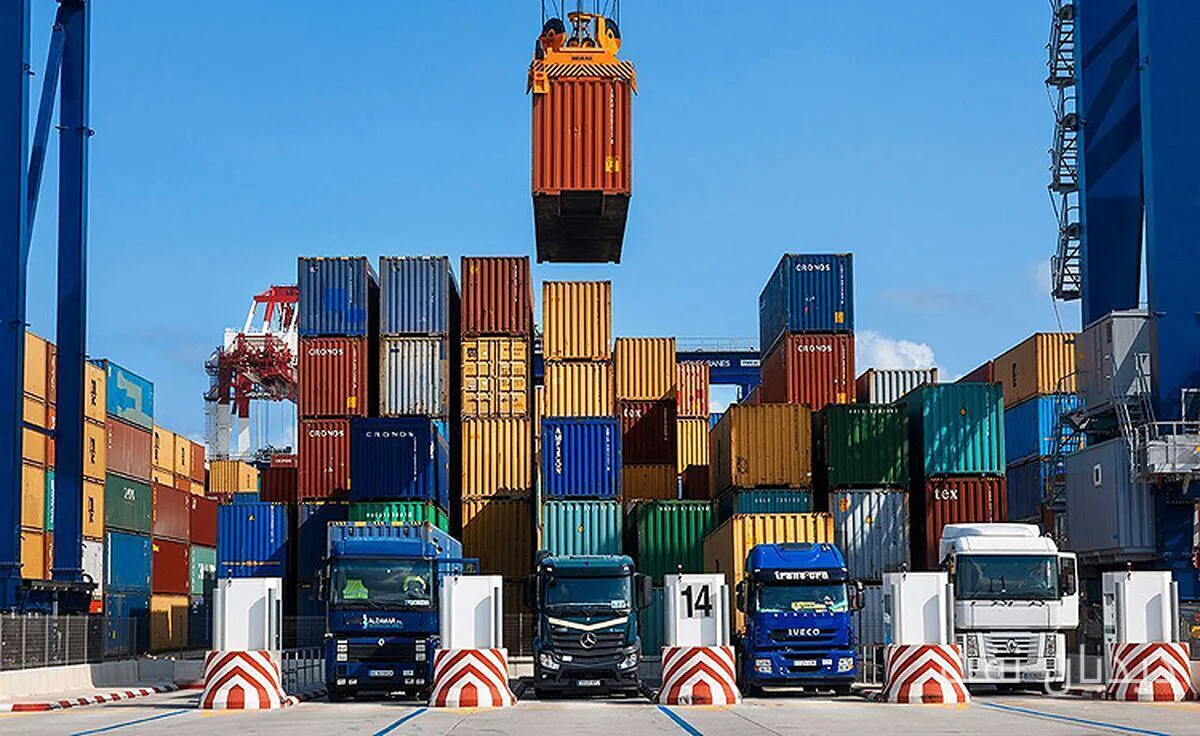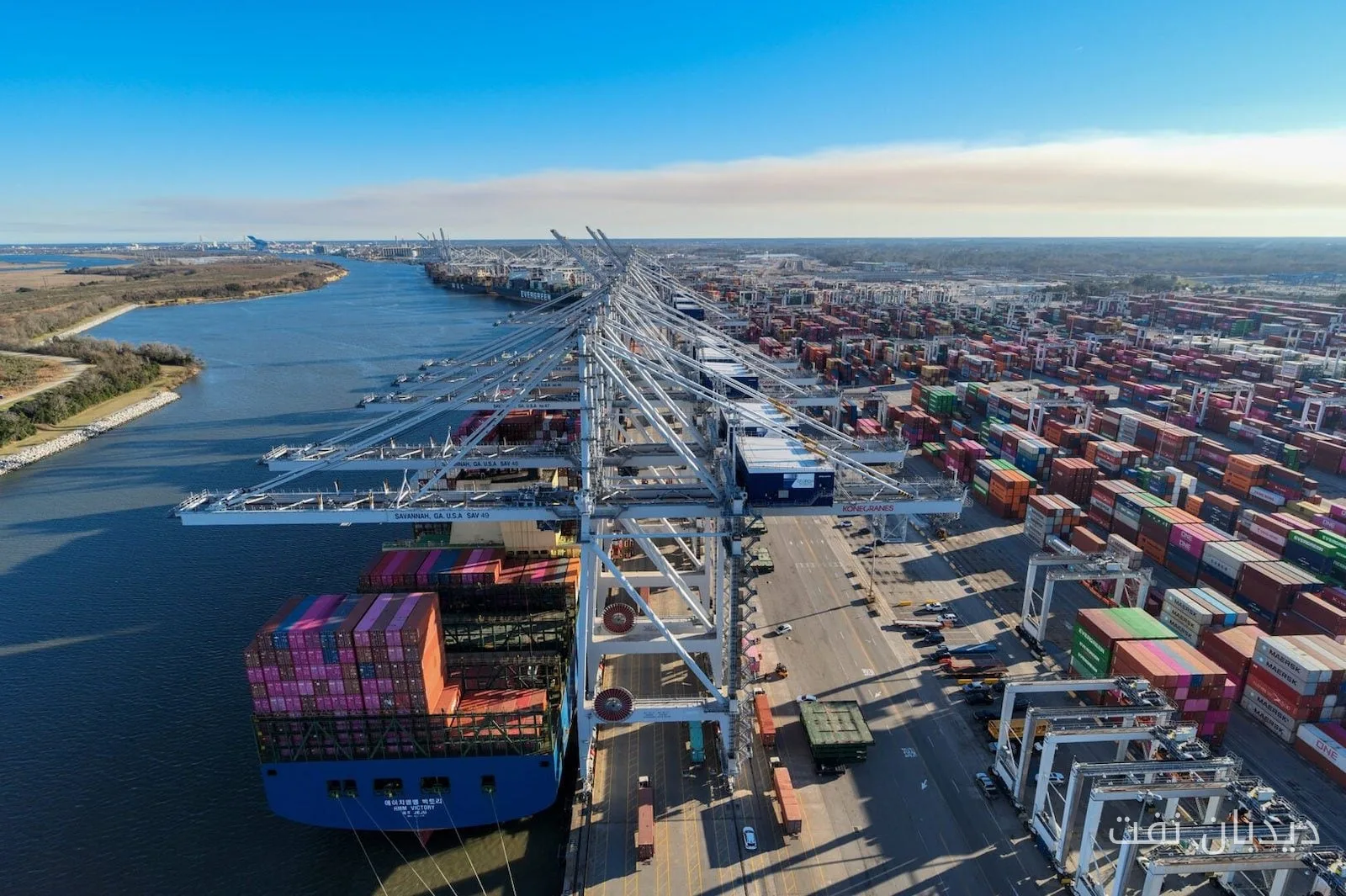
The Trump administration announced $498 million in federal funding for upgrading the infrastructure of U.S. ports. This investment includes 35 projects in 19 states that focus on replacing outdated docks, upgrading loading equipment, and modernizing fuel terminals and advanced marine monitoring systems.
Details of the Funding Allocation
This funding is provided through the Port Infrastructure Development Program (PIDP) of the Maritime Administration (MARAD), with the goal of improving cargo movement, increasing capacity, and strengthening the supply chain at coastal ports, Great Lakes facilities, and inland river ports. Despite the significance of this round of funding, the announced amount is lower than in previous years.
Read more: Panama Canal Resumes Last-Minute Reservations for Ships
In fiscal year 2025, MARAD allocated $774 million to 37 projects, which is nearly 36 percent more than the current $498 million allocation. Additionally, the new allocation is 26 percent lower than the average of the previous four years.
Key Projects and Their Impacts
One of the largest recipients of this funding is the city of Whittier in Alaska, which will receive $50.6 million for replacing the DeLong dock, installing a seasonal floating dock, and purchasing three gantry cranes. Additionally, Port Everglades in Florida will receive $30.75 million to strengthen and increase the capacity of its liquid terminal.
In North Carolina, the state port authority will receive $11.25 million for upgrades at the Morehead City port, including heavy-lift infrastructure and cargo tracking technologies. Furthermore, officials at the Red Wing port in Minnesota will also receive $10.2 million for reconstructing boat loading infrastructure along the Mississippi River.
In Texas, the Freeport port will receive $9.4 million for replacing an old dock and expanding loading space. Additionally, the Port of Corpus Christi will receive $7.2 million to develop a digital model of its infrastructure, which includes LiDAR, sonar, and camera technologies for continuous monitoring of port facilities.
The head of MARAD, Steven Carmichael, described these allocations as part of the government's broader efforts to modernize maritime infrastructure, adding, "This unprecedented investment allows local port communities to modernize their operations and leverage innovative technologies."
Read more: 3,800 Megawatts of New Power Capacity Entering Energy Market · U.S. Army Begins Major Changes to Dredging Contracts