An inland vessel carrying 250 tons of hydrogen ran aground on Sunday in the Rhine River. This incident has caused traffic restrictions in the upper sections of the river. This event is the latest in a series of similar incidents in this drought-stricken waterway, which has been unable to carry typical industrial loads due to months of low water levels.
Details of the Incident in the Rhine
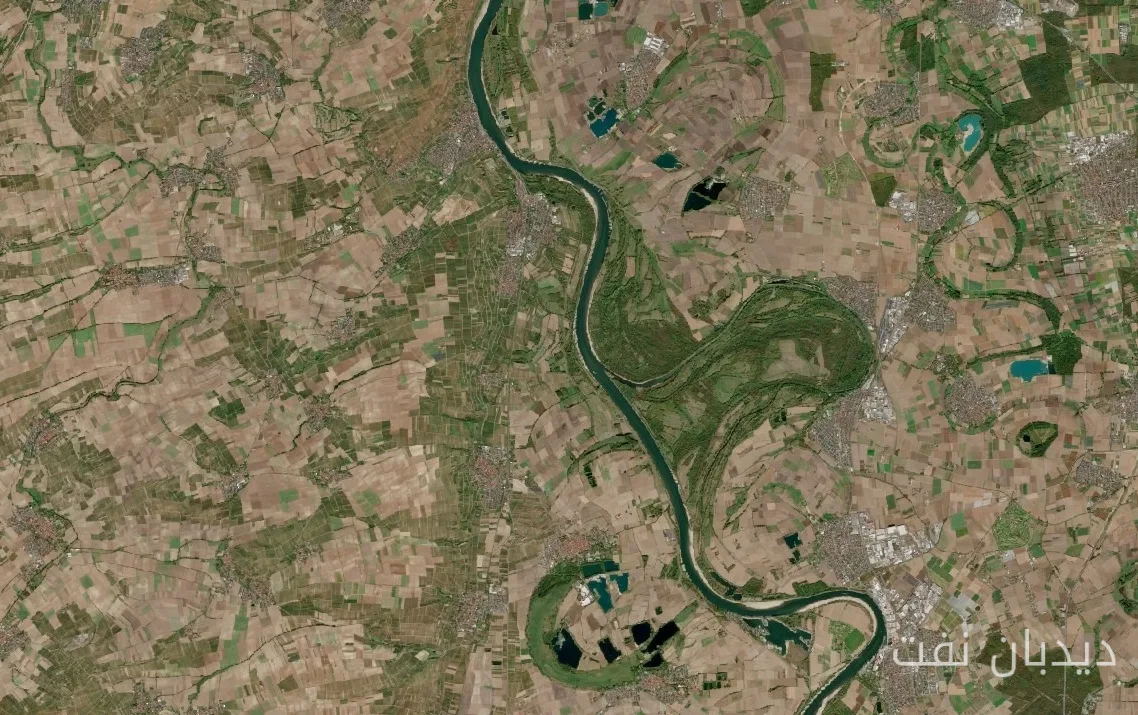
At around 07:00 AM on Sunday, this cargo ship was moving downstream in the Rhine River near the village of Ludwigshafen when it ran aground. Local water police reported the incident and stated that this was the fourth such occurrence over the recent weekend, with three other vessels also running aground on Saturday and Sunday.
Read more: Crisis Management of Gas Imbalance in Winter 1403
All reported incidents have been resolved without any major issues, and the vessels were able to be freed from the ground. To prevent the recurrence of these incidents, restrictions on the size of vessels in the Rhine area near Mainz have been implemented.
Consequences of Drought on German Industry
This year, low water levels in the Rhine have set new records and disrupted German industry. In Cologne, the water level at a key station dropped to just 40 centimeters, which is considered a historical low. The situation is not expected to improve unless significant rainfall returns to the area by the end of the season. Rail and truck transport networks are compensating for the demand for industrial goods such as coal, coke, iron ore, and scrap metals. Shallow-draft inland vessels are also able to load more and operate at lower water levels compared to regular vessels, but the availability of such vessels is limited.
For most commercial vessels, the water level near Mainz is so low that the Rhine is effectively divided into two sections, making the middle impassable during loading. Florian Kreikel, an expert from the Rhine Waterways and Transport Office, told DPA: "Currently, the Rhine is mainly fed by wastewater treatment plants, glacial ice, and some groundwater."
Overall, the restrictions caused by low water levels in the Rhine are expected to reduce Germany's GDP by nearly half a percent for the year 2026, according to forecasts from the German Economic Institute (IW). These losses are primarily concentrated in the industrial sectors located in the Rhine corridor, which is considered the historical heart of German production.
Read more: Gas Imports from Turkmenistan Due to Declining Domestic Production on the Agenda · Decline in Rhine Water Levels to Historical Records and Its Impact on the European Chemical Industry